
Last updated November 16, 2026
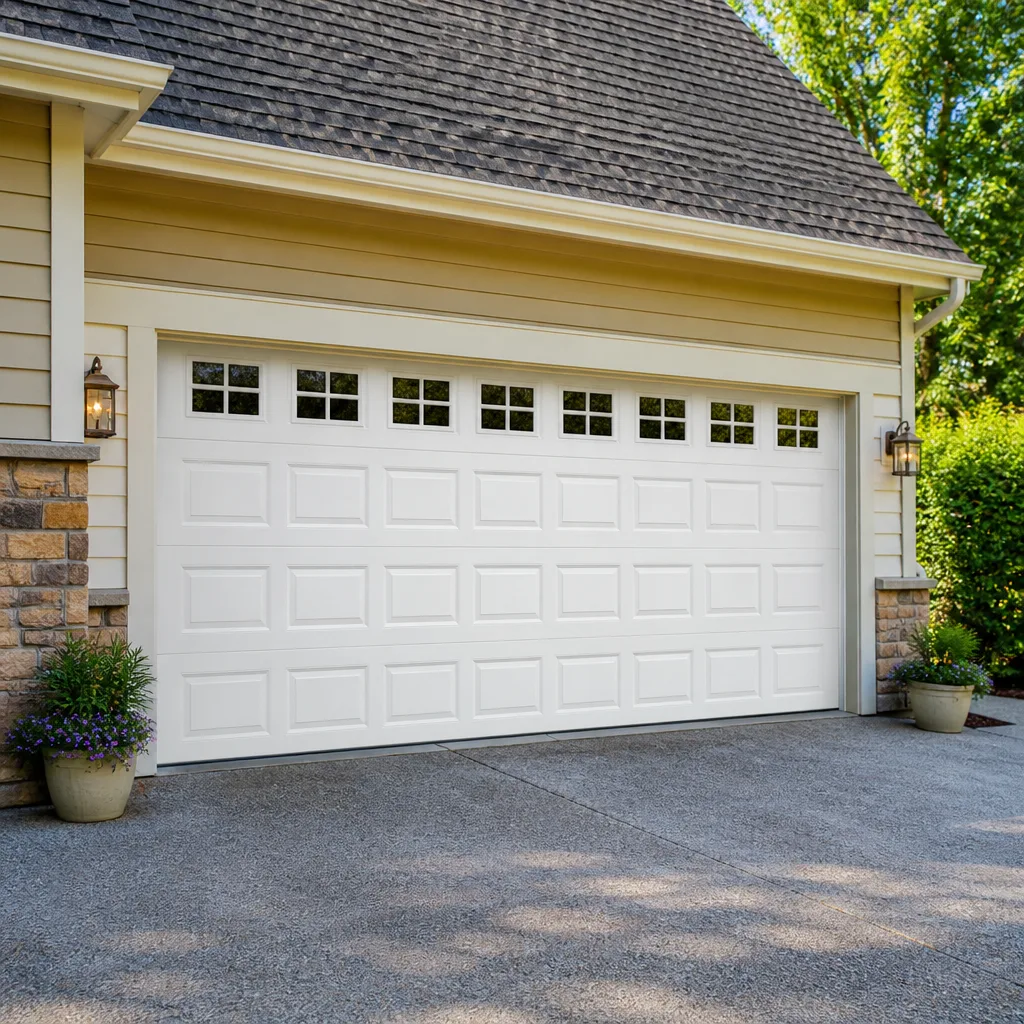 Raised-panel steel
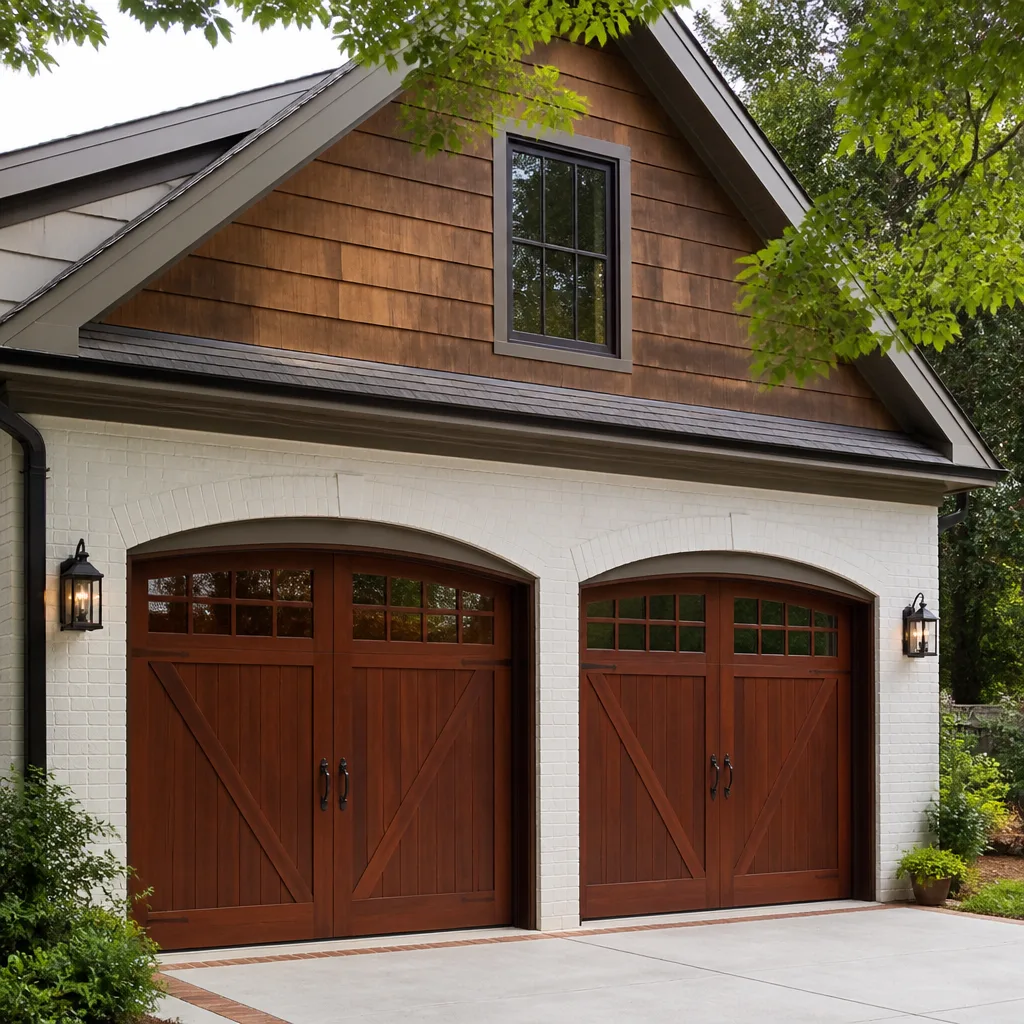 Carriage house
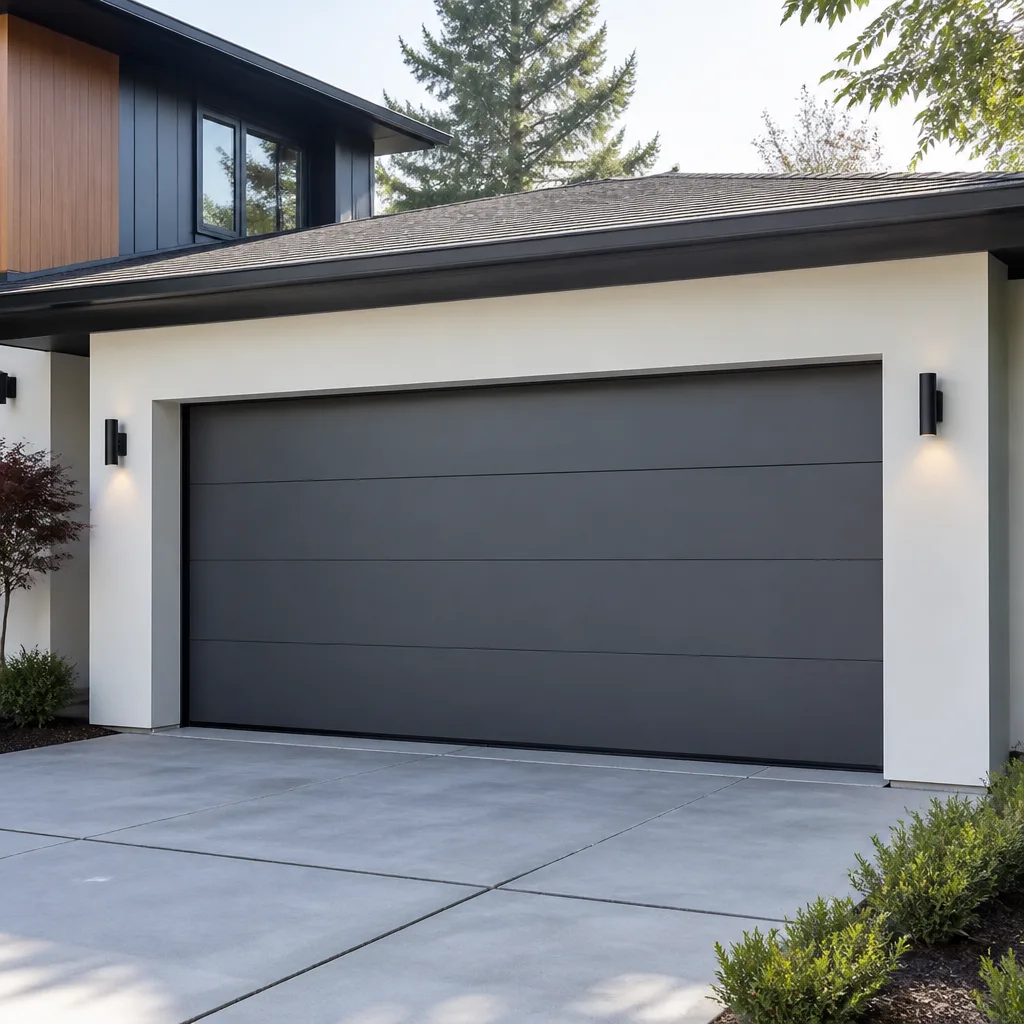 Modern flush
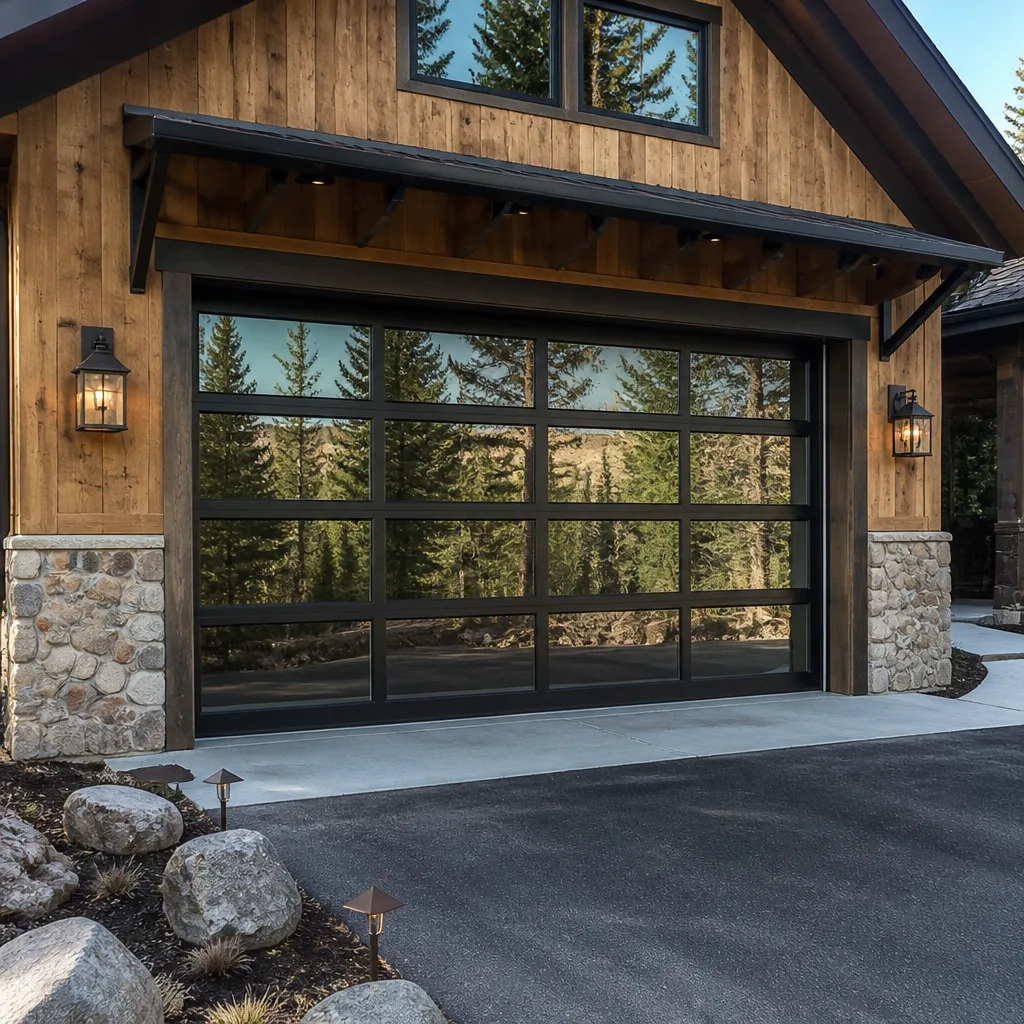 Full-view glass
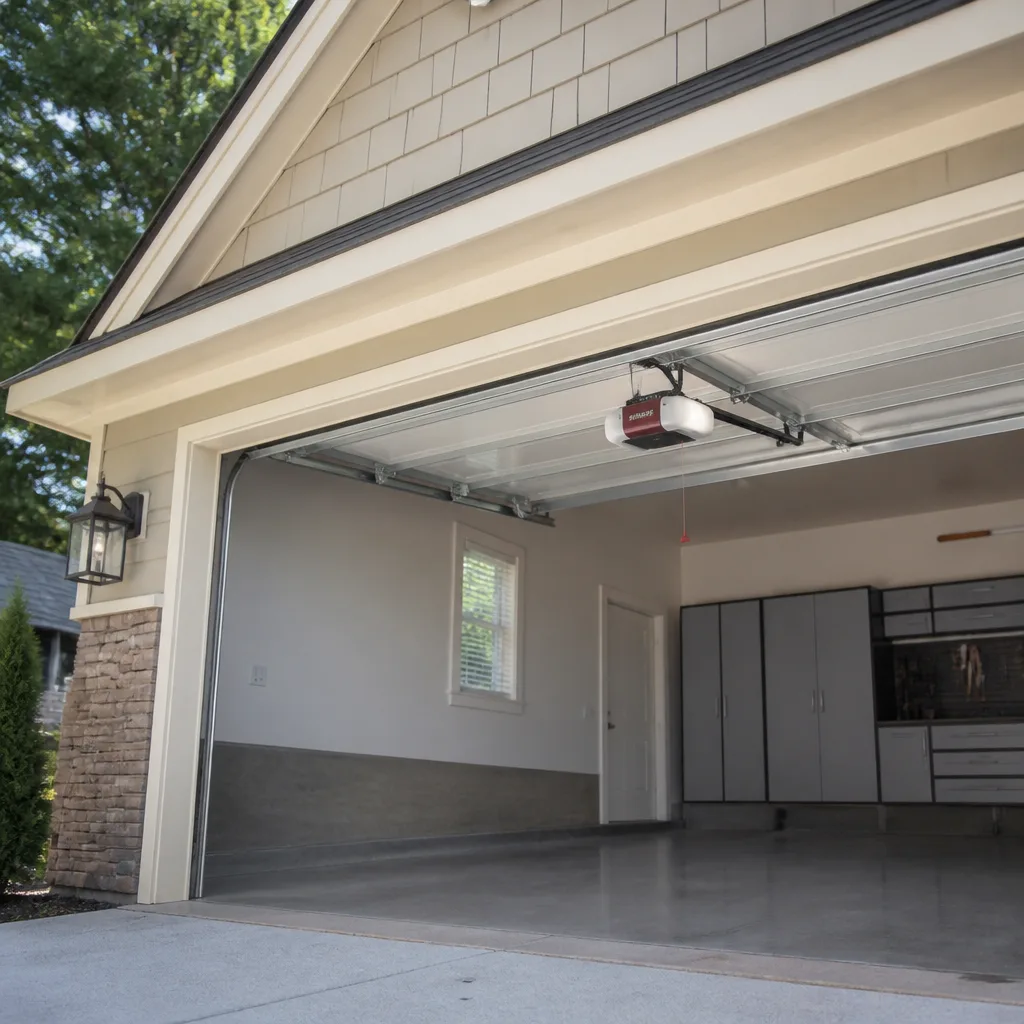 LiftMaster openers
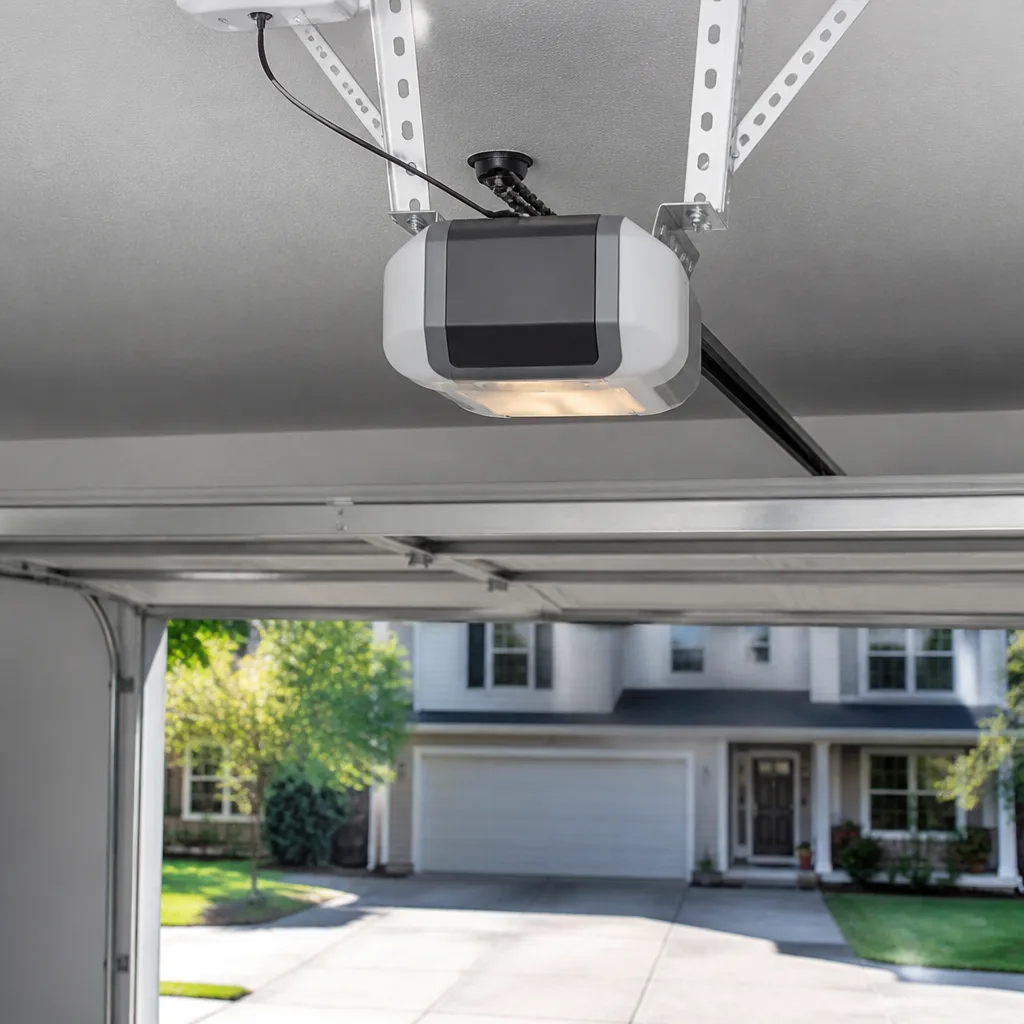 Chamberlain openers
Full 25-point door and opener safety check with every visit - springs, cables, rollers, tracks, and your LiftMaster or Chamberlain opener included
You get a price before we start. It does not change when the pro arrives.
Get your free estimateHow to Hire a Garage Door Contractor in Tyler: A Step-by-Step Guide
If a contractor can’t tell you off the top of their head what torsion spring size your door likely uses based on the door weight and height you describe, they’re going to figure it out on your dime, and possibly get it wrong. That’s the uncomfortable truth about hiring in this trade: the questions that separate a specialist from a generalist are rarely asked before the truck pulls up. Most homeowners in Tyler learn this the hard way, usually after a quote has ballooned or a repair has failed twice. This guide gives you the exact vetting questions, verification steps and estimate benchmarks to ask before anyone touches your door. You’ll learn how to tell a dedicated garage door technician from a handyman who dabbles, which red flags matter, and what a legitimate written estimate should contain.
Quick Answer
To hire a garage door contractor in Tyler, verify three things before you book: that the business focuses on garage doors specifically (not general handyman work), that they can discuss your door’s spring system and brand by name, and that they provide a free written estimate with itemized parts and labor before any work starts. Ask about brand familiarity (LiftMaster, Clopay, Chamberlain and others), insist on a written price you agree to in advance, and check that reviews mention the specific repair you need rather than generic praise. Skip anyone who quotes over the phone without asking your door’s size, weight and spring type.
Styles & brands we work with
- Raised-panel steel
- Carriage house
- Modern flush
- Full-view glass
- LiftMaster openers
- Chamberlain openers
Table of Contents
- Why Hiring for Garage Doors Is Different in Tyler
- The Three Types of Contractors You’ll Encounter
- The Vetting Questions to Ask Before Anyone Shows Up
- What a Legitimate Estimate Looks Like vs. a Vague Quote
- Red Flags Unique to the Garage Door Industry
- How to Verify Reviews Are Real and Relevant
- Safety Limits: What You Should Never Handle Yourself
- Tyler Climate and Housing Stock: What It Means for Your Door
Why Hiring for Garage Doors Is Different in Tyler
Garage doors aren’t a general repair category. A door is a balanced mechanical system: springs, cables, drums, hinges, rollers and a track, all engineered around the weight and dimensions of that specific panel. A technician who works on doors daily understands how these parts interact. A generalist guesses. And in a city like Tyler, where the housing stock ranges from older established neighborhoods with aging wood and steel doors to newer builds with insulated panel systems, that gap in knowledge shows up fast.
The Tyler market includes three kinds of operators: dedicated garage door specialists, general handymen who list doors as one of many services, and big-box referral networks that dispatch subcontracted crews. Each fills a different role, and none of them advertise their category clearly. A handyman may be perfectly capable of replacing a roller or adjusting a track, but a torsion spring replacement or opener logic board diagnosis requires a different level of familiarity. That’s why the questions matter more here than in almost any other home service category: the systems are mechanically specific, the failure modes are predictable, and the wrong part or wrong spring tension causes real damage.
We see the results of mismatched hiring regularly. A door that “just needs adjusting” after a handyman visit that left the springs out of balance. An opener forced to lift a door it wasn’t sized for. A quote that was verbal, vague and then quietly expanded once the door was apart. None of these are catastrophes, but all of them are avoidable with about ten minutes of preparation before you call.
The Three Types of Contractors You’ll Encounter
Knowing who you’re talking to is the first step. Here’s how the three categories differ, and what each means for your project.
Licensed General Contractors
A licensed general contractor in Texas handles structural work, remodeling and new construction. Most general contractors won’t take a standalone garage door repair job because it’s too small for their scheduling model. If they do, they’re often subbing it out to a door company anyway. For a straightforward repair, a GC is usually overkill. For a door replacement tied to a larger renovation, they can coordinate the work, but ask who actually installs the door and whether that person is a door specialist.
Handymen
Handymen fill a useful role for minor adjustments: lubricating rollers, tightening hinges, replacing a photo-eye sensor. Where they fall short is on anything involving spring tension, cable replacement, opener logic boards or new door installation. Many states and local jurisdictions require a permit for structural or electrical modifications connected to garage doors, so ask your city’s building department whether a permit applies to your project and who is responsible for pulling it. A handyman who hasn’t asked about the permit is telling you something.
Dedicated Garage Door Technicians
A dedicated technician works on doors and openers exclusively. That’s the category worth hunting for in Tyler. They know which spring size pairs with a given door weight and height, how a LiftMaster logic board fault differs from a Chamberlain one, and why a Craftsman opener from an older home may need a different remote solution than the one on the shelf. They don’t need to look up your system because they’ve already worked on hundreds of them. Tyler Garage Door Service operates in this third category, and we think the distinction is the most useful filter a homeowner has.
The Vetting Questions to Ask Before Anyone Shows Up
The call itself is the test. A specialist will ask specific questions before quoting; a generalist will give you a number and ask for your address. Here’s what to ask and what a good answer sounds like.
- “What brand and model is my opener?” Describe what you see on the unit. A specialist should recognize the brand immediately and, in most cases, the generation of the model based on the housing shape or the label. If they ask you to text a photo, that’s fine, but they should already be familiar with the common brands installed across Tyler homes, including LiftMaster and Chamberlain systems.
- “Can you tell me what spring system my door likely uses?” Torsion springs run horizontally above the door; extension springs run parallel to the tracks on either side. Give the technician your door’s height and approximate weight, and listen for a confident response. The opening hook on this page isn’t an exaggeration: a specialist can narrow the spring size from those details alone.
- “Where do you source parts?” A dedicated technician has a reliable supplier relationship and can tell you the brand of replacement parts they use. A vague answer (“wherever I can find them”) is a sign that a door-specific part may be substituted with a general one.
- “Do you work on both the door and the opener?” The two are one system. A technician who only handles doors may miss an opener problem that’s causing the door symptom, or vice versa. Ask whether they diagnose both together.
- “What does your written estimate include?” The answer should mention parts, labor and a price you agree to before work begins. If they can’t describe their written estimate process, that’s your cue to keep dialing.
- “Are you insured?” Ask for confirmation of general liability coverage before anyone works on your property. Don’t accept a verbal yes alone; a legitimate business can confirm coverage in writing.
Notice that none of these questions require technical knowledge on your part. You’re listening for fluency. A specialist answers quickly and specifically; a generalist hedges.
What a Legitimate Estimate Looks Like vs. a Vague Quote
A legitimate garage door estimate is written, itemized and agreed before the work begins. That’s the whole test. Everything else is detail. Here’s the difference in practice.
The Legitimate Estimate
- Lists the specific parts to be replaced, by type (for example, “one torsion spring, matched pair replacement recommended”).
- Separates parts from labor.
- States the total price and confirms it’s the price you’ll pay unless you approve additional work.
- Explains why the repair is needed, not just what it costs.
- Notes whether a matched pair of springs is recommended and why.
- Is free to obtain.
The Vague Quote
- Gives a single number without itemization.
- Is delivered verbally, over the phone, before anyone has seen the door.
- Contains language like “starting at” or “depending on what we find.”
- Bundles the door and opener into one lump without distinguishing what’s being replaced.
- Adds a fee for the visit itself before any diagnosis has happened.
One critical point on springs: a torsion spring is typically replaced as a matched pair because both springs on a door wear at the same rate. A quote that gives one range for “the springs” without clarifying whether that’s one spring or a pair is a quote that leaves room for a surprise. Ask directly. The written estimate should make it unambiguous. And the final price is whatever the written estimate says, not whatever a verbal conversation implied.
For a full picture of what different repairs typically run, our garage door repair page breaks down common jobs and what to expect.
Red Flags Unique to the Garage Door Industry
Some warning signs are specific to this trade. Watch for these.
- Pushing a full replacement without testing components. A door that won’t open isn’t automatically a door that needs replacing. A specialist tests the springs, the opener’s force settings, the sensors and the balance before recommending anything. If replacement is the first recommendation before diagnosis, ask why.
- Quoting before asking about door specs. A number given before you’ve described your door’s height, weight, spring type and opener brand is a guess. Guesses become change orders.
- No written estimate. Every legitimate job should have one. No exceptions.
- Refusing to name the parts brand. A technician who won’t tell you what brand of spring, roller or opener part they’re installing is protecting a margin, not your door.
- Steering every recommendation toward one manufacturer. If every suggestion lands on the same brand regardless of your door, ask whether there’s an installer incentive at play. A brand-agnostic technician recommends what fits the home, not what fits a commission structure.
- Unwillingness to explain the failure. A good technician can walk you through what broke and why in plain language. If the explanation is vague, the diagnosis probably is too.
One more: be wary of anyone who offers to work on the springs without addressing door balance afterward. A new spring on an unbalanced door will wear out faster, and the symptom may return within weeks.
How to Verify Reviews Are Real and Relevant
Star ratings alone tell you almost nothing. What you want is reviews that describe a specific repair in a specific context. Here’s how to read them.
- Look for specific repair language. “Replaced my torsion springs and adjusted the opener force” is a real review. “Great service, highly recommend” is generic and less useful.
- Check whether the reviewer names the brand or system. A review mentioning a LiftMaster opener or a Raynor door tells you the company handled that specific equipment. That’s a meaningful signal.
- Look at the spread of dates. A cluster of reviews all posted in the same week is worth scrutinizing. A steady trickle over months reads more naturally.
- Read the negative reviews for tone and response. A company that responds to criticism with specifics (“we came back and rebalanced the door at no charge”) demonstrates accountability. A company that responds defensively tells you something too.
- Cross-reference across platforms. Google, Yelp, the Better Business Bureau and Nextdoor each attract different reviewer types. If the same detailed review appears on multiple platforms word for word, discount it.
- Ask for local context. A review that mentions a Tyler neighborhood or a specific local condition carries more weight than one with no location markers at all.
In our experience, the most useful review a homeowner can find is one that names the problem, the fix and whether the final price matched the estimate. Those three elements together speak to both competence and honesty.
Safety Limits: What You Should Never Handle Yourself
Torsion springs and the cables attached to them are under extreme tension. A torsion spring carries enough stored energy to cause serious injury if it releases unexpectedly, and the cables that run alongside it can snap with similar force. This is the one part of garage door work where we draw a hard line: don’t attempt to adjust, remove or replace a spring or cable yourself. Ever. That includes the “just loosen it a little” adjustments that seem straightforward on a video.
The same caution applies to the electrical side of an opener. If you’re tracing a wiring fault or replacing a logic board, the risk of shock is real, and the opener’s low-voltage control wiring is still connected to a live circuit at the outlet. A trained technician knows how to isolate the system safely and test it correctly. Save yourself the risk and the second repair.
What you can safely do: keep the photo-eye sensors clean and aligned, lubricate rollers and hinges with a garage-door-specific lubricant, and test the door’s balance by disconnecting the opener and lifting the door halfway by hand. If it doesn’t hold position, that’s a spring or balance issue and it’s time to call. Our garage door opener repair page covers common opener symptoms and when they point to a system problem rather than an opener fault.
Tyler Climate and Housing Stock: What It Means for Your Door
Tyler’s summers are long and hot, and that shapes how garage doors age here. Heat causes wood panels to expand and contract, which can throw a door slightly out of balance over time. Steel doors with insulated cores tend to hold up better in sustained heat, but the seals and weatherstripping around any door degrade faster in high temperatures. That’s why a door that worked fine in spring may start binding by August, and why an annual balance check is worth the ten minutes it takes.
The local housing stock adds another variable. Older neighborhoods in Tyler have plenty of original wood and steel doors that were installed decades ago, and those doors often need spring replacements or opener upgrades to handle the door’s current weight after years of paint and hardware changes. Newer construction tends toward insulated panel doors paired with modern openers, which changes the diagnostic approach entirely: the door is heavier, the opener has to be force-calibrated correctly, and the spring system needs to match the panel weight precisely. A technician who works in Tyler regularly sees both ends of that spectrum and knows which questions to ask.
Hail is a seasonal reality across East Texas, and door panels take hits. If your door has dents or panel damage after a storm, ask a technician to assess whether the damage is cosmetic or structural before filing anything. A single dented panel may be replaceable without touching the spring system. A bent track or hinge damage is a different repair. Knowing the difference saves money and prevents unnecessary work.
Common Mistakes to Avoid
- Hiring on price alone. A quote that’s dramatically lower than others usually means a lighter spring, a general-purpose part or a shortcut on the opener calibration. Ask what’s being installed and why the price is lower. In our experience, the second repair costs more than the first would have.
- Accepting a phone quote before the tech sees the door. Tyler’s housing range means two doors of the same width can need completely different springs. A phone quote without door specs is a placeholder, not a price.
- Skipping the insurance question. Ask for written confirmation of general liability coverage before work begins. It protects you if something goes wrong on your property.
- Letting anyone replace one spring when both are worn. Springs wear at the same rate; replacing one and leaving the other usually leads to a second failure within months. Confirm the estimate covers a matched pair when a pair is what your door has.
- Ignoring the opener when the door acts up. A door that reverses or stops mid-travel may have a door problem, an opener problem or both. The door and the opener are one system; insist on a diagnosis that covers both. Our guides on opener repair explain how a single symptom can point to either component.
- Overlooking permits. Most cities require a permit for structural modifications connected to a garage door, so ask your city’s building department whether your project needs one and who pulls it. A contractor who waves off the question is a contractor to skip.
- Not getting the estimate in writing. A verbal quote is not an estimate. The price you agree to before the work starts is the price you should pay, and it should be on paper.
See the difference
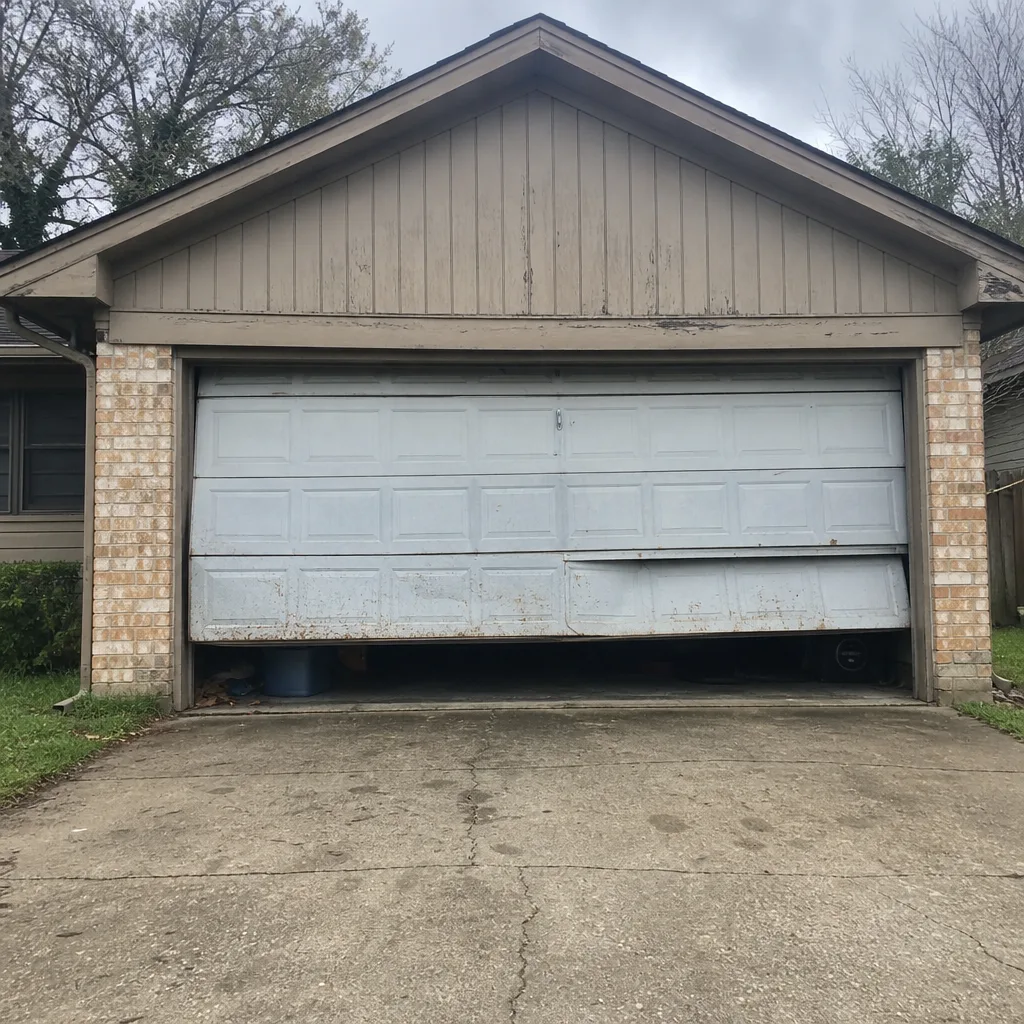 Before
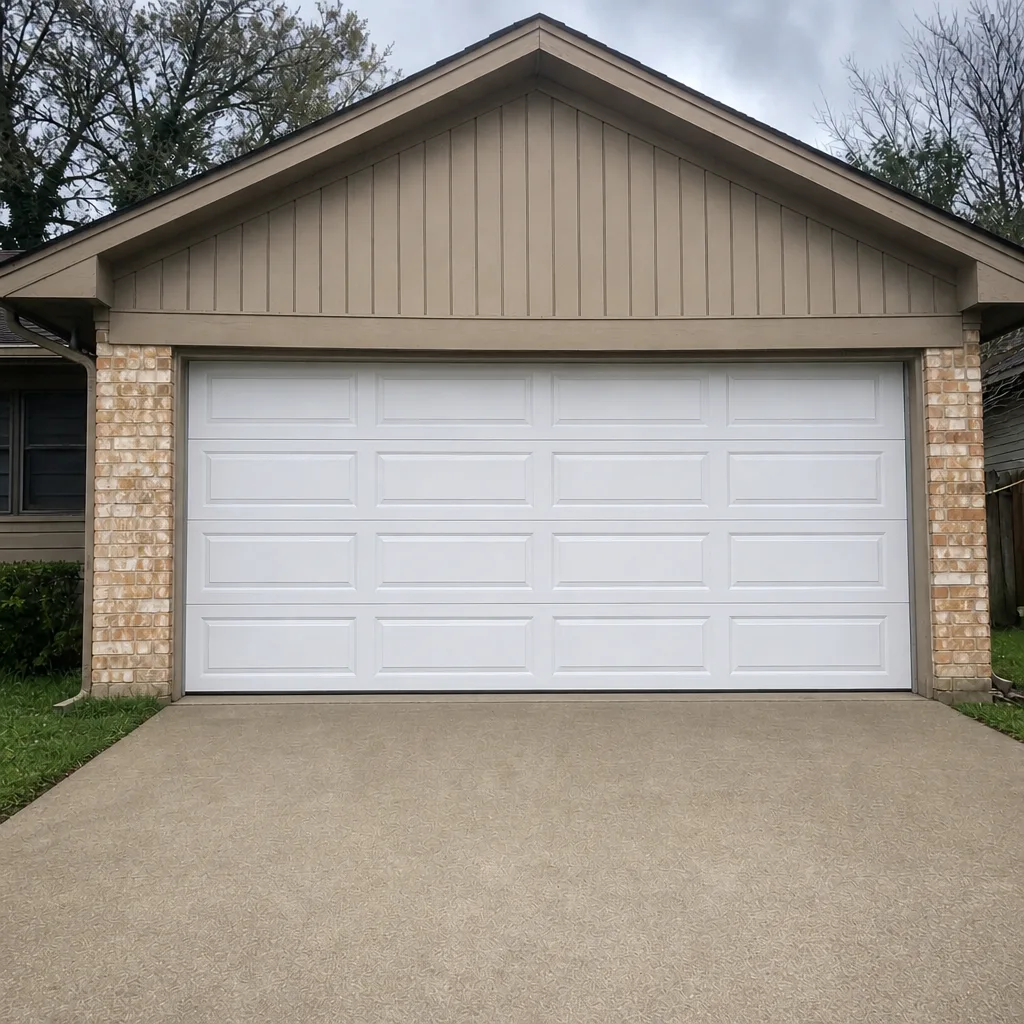 After
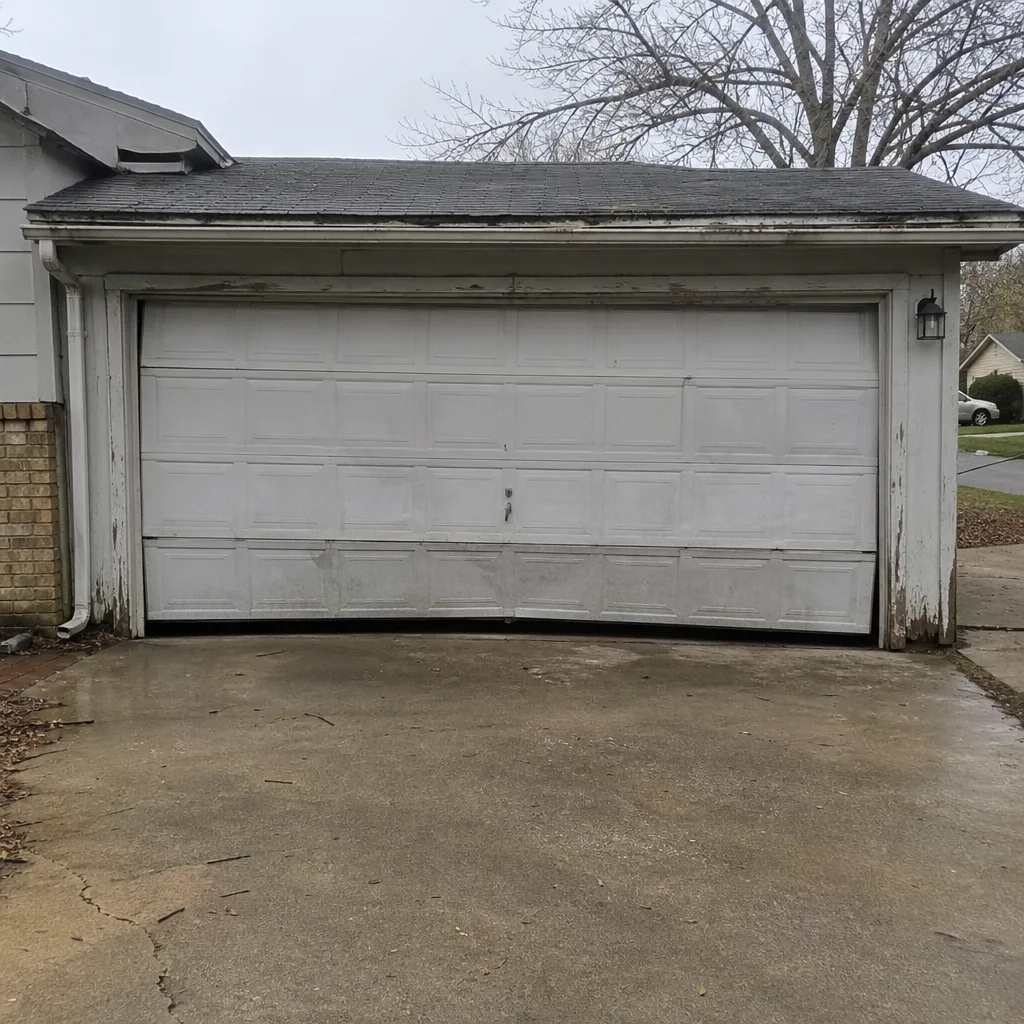 Before
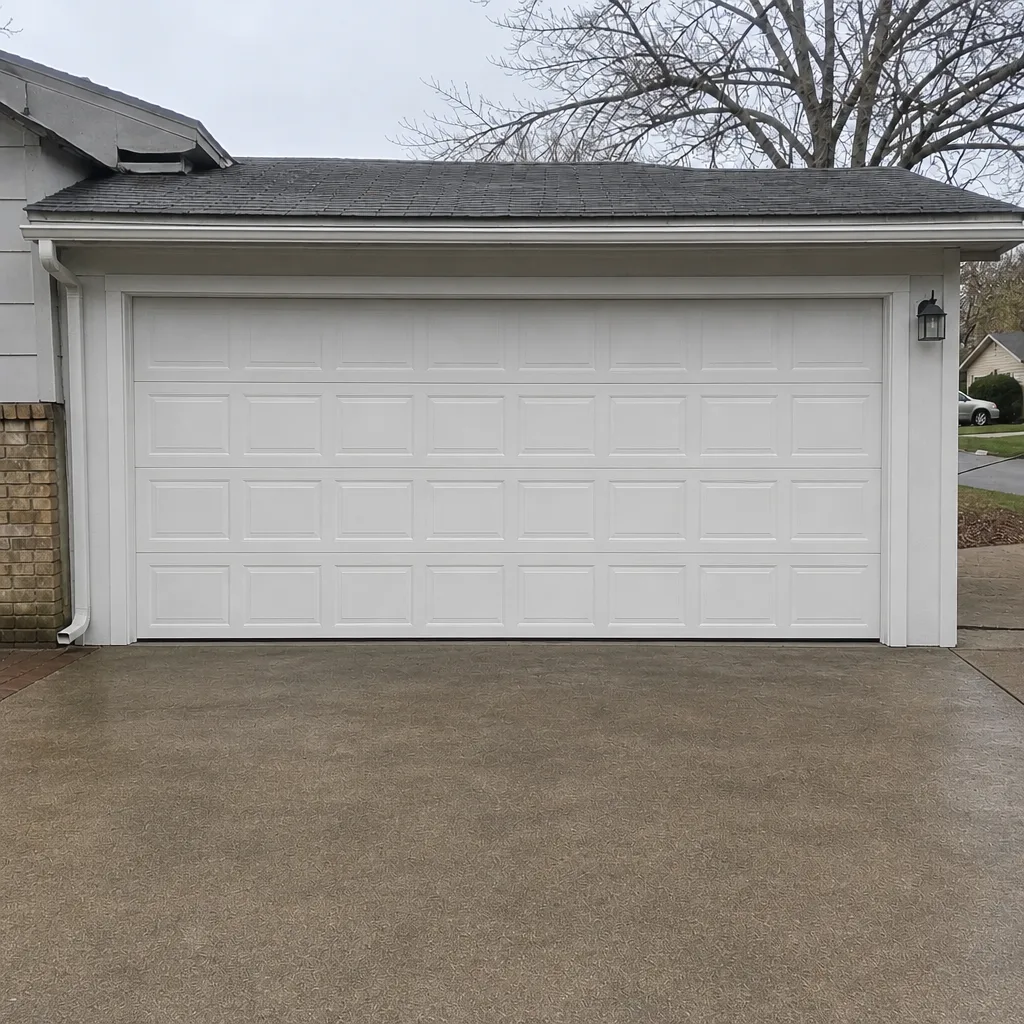 After
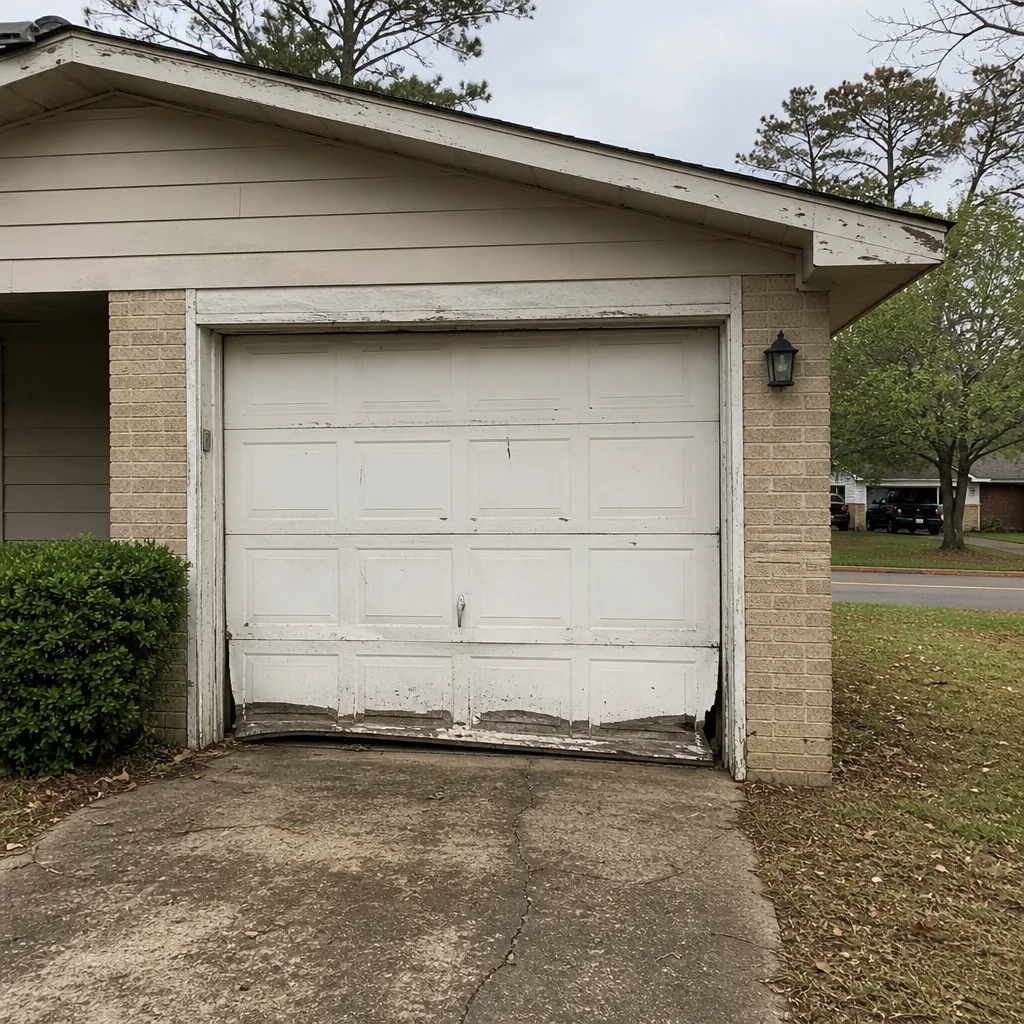 Before
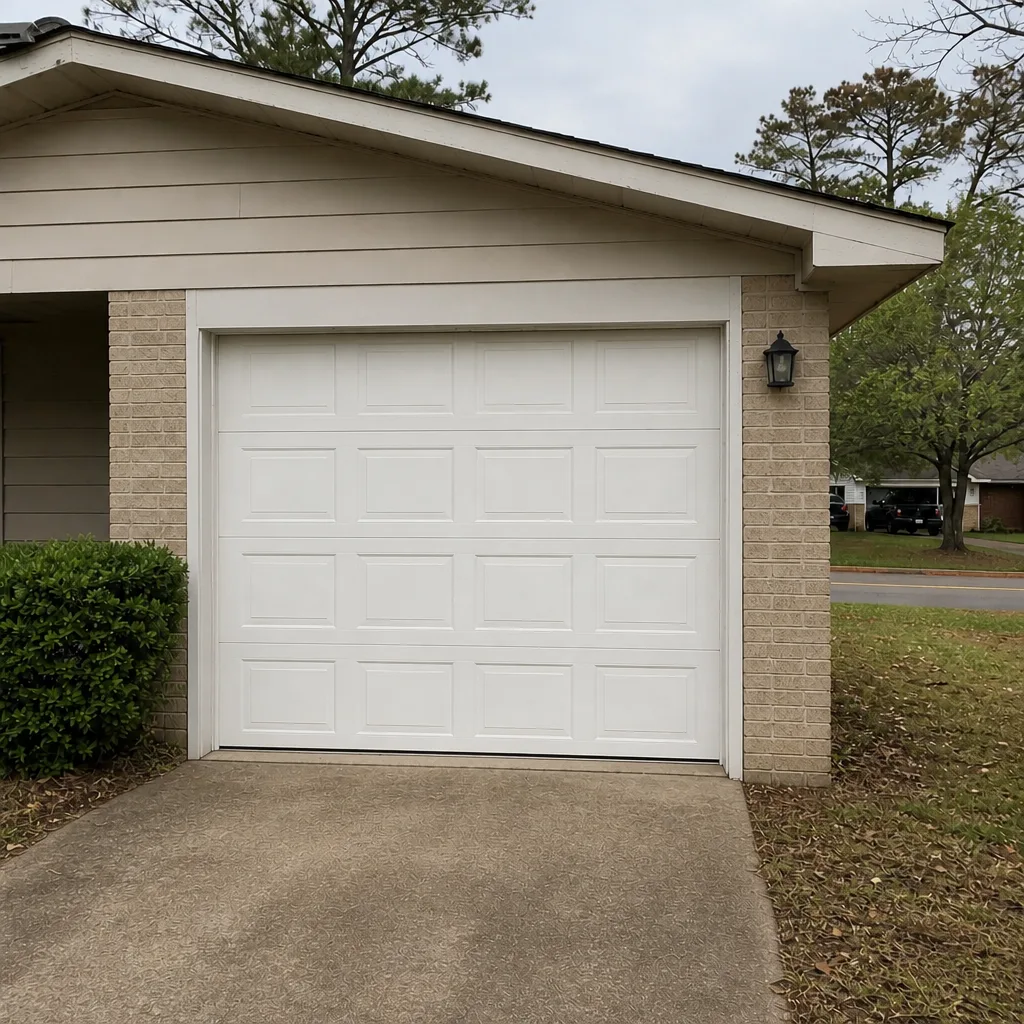 After
When to Call a Professional
Some garage door symptoms are cosmetic and can wait. Others shouldn’t. Call a professional if the door won’t open or close, if it reverses unexpectedly, if you hear a loud snap from the spring area, if the door hangs crooked or if a cable appears loose or frayed. Call if the opener runs but the door doesn’t move, or if the door opens partway and stops. Call if you see a gap between the door and the frame that wasn’t there before, or if the door feels heavier than usual when you lift it by hand. And call if you simply aren’t sure: a free estimate is the cheapest diagnostic step you’ll take. Tyler Garage Door Service offers free estimates in Tyler. Call (844) 834-2184. We answer 24/7. Fast dispatch from 7am to 7pm, Sunday through Friday. Our technicians have up to 8 years of experience.
Frequently Asked Questions
Spring replacement pricing depends on the spring type, the door’s weight and whether one or both springs are being replaced, and the written estimate sets the final price. A matched pair is usually replaced together because both springs wear at the same rate. Ask for an itemized estimate that makes clear whether the price covers one spring or a pair. Call (844) 834-2184 for a free estimate; estimates are free and the price is agreed before work starts.
Same-day repair is often possible for a door that won’t close. Call (844) 834-2184 to describe the symptom and we’ll book the soonest opening. We answer 24/7, with fast dispatch from 7am to 7pm, Sunday through Friday. A call outside dispatch hours is booked into the next opening.
No. The written estimate you agree to before work begins is the price, unless you approve additional work. If the diagnosis turns up something the estimate didn’t cover, the technician should explain it and get your approval before proceeding, never add it silently. For an exact quote, call (844) 834-2184; estimates are free.
Our technicians are experienced, and we work with independent local professionals who are insured and bonded. Ask for written confirmation of coverage before any work begins; a legitimate business will provide it without hesitation. Call (844) 834-2184 to ask any coverage questions directly.
Ask whether the contractor regularly works on the brand of door and opener already installed in your home. Common brands in Tyler include LiftMaster, Chamberlain, Clopay, Craftsman and Raynor, and a specialist should be fluent in several rather than steering you toward one. We work on LiftMaster, Chamberlain, Genie, Clopay, Amarr, Wayne Dalton, Craftsman and Raynor systems, and we’ll tell you what fits your door. Call (844) 834-2184 to discuss your setup.
Repair is usually the right call when the door panels, tracks and frame are structurally sound, while replacement makes more sense when multiple panels are damaged or the door is beyond economic repair. Ask for a diagnosis that tests the spring system, cables, rollers and opener before any replacement is recommended. Call (844) 834-2184 for a free estimate on either path.
The Bottom Line
Hiring a garage door contractor in Tyler comes down to three moves: pick a specialist, ask the vetting questions before anyone arrives, and get a written estimate you agree to before work begins. A dedicated technician will answer brand and spring-system questions fluently, source door-specific parts, and explain the failure in plain language without pushing a replacement you don’t need. A generalist will quote before asking, hedge on parts, and leave room for surprise charges. The differences are visible on the phone, which is where you should do your screening. Skip anyone who can’t pass that call. If they can, you’ve probably found your technician.
When you’re ready to talk through your door, call (844) 834-2184 for a free estimate. We answer 24/7, with fast dispatch from 7am to 7pm, Sunday through Friday. Whether you need a repair, an opener diagnosis or a new door measured and scheduled, we’ll give you a written price before any work starts. Explore Tyler Garage Door Service for how we work, or read more about garage door repair, garage door opener repair and the communities we serve around Tyler.
Written by the team at Tyler Garage Door Service.