
Last updated November 16, 2026
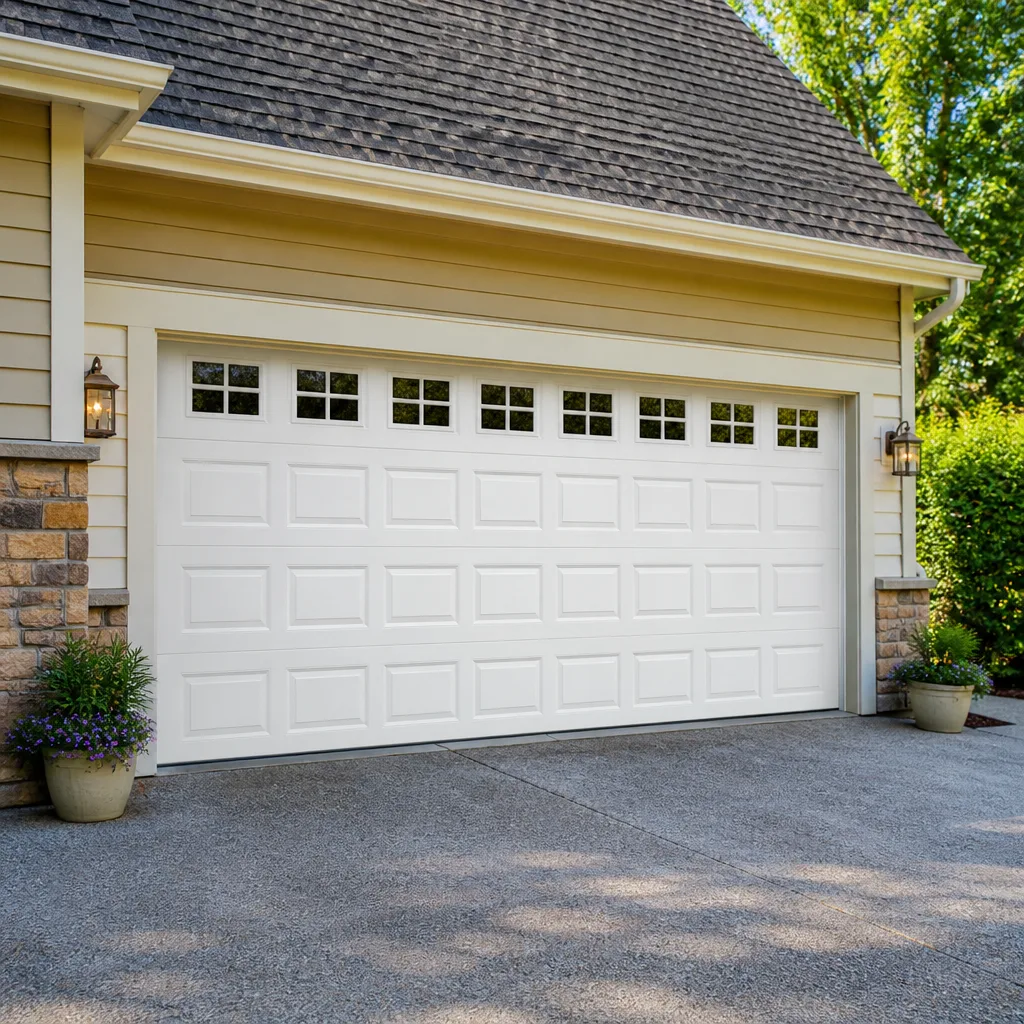 Raised-panel steel
 Carriage house
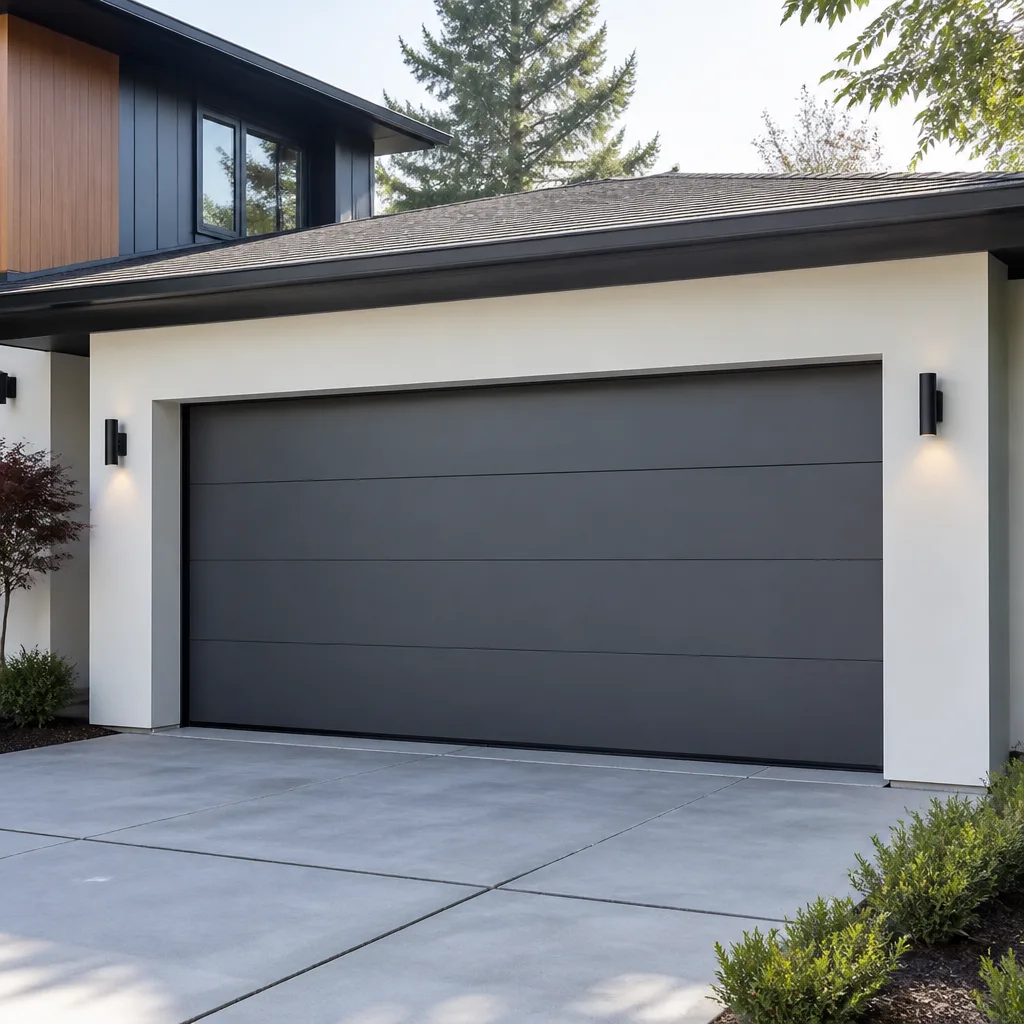 Modern flush
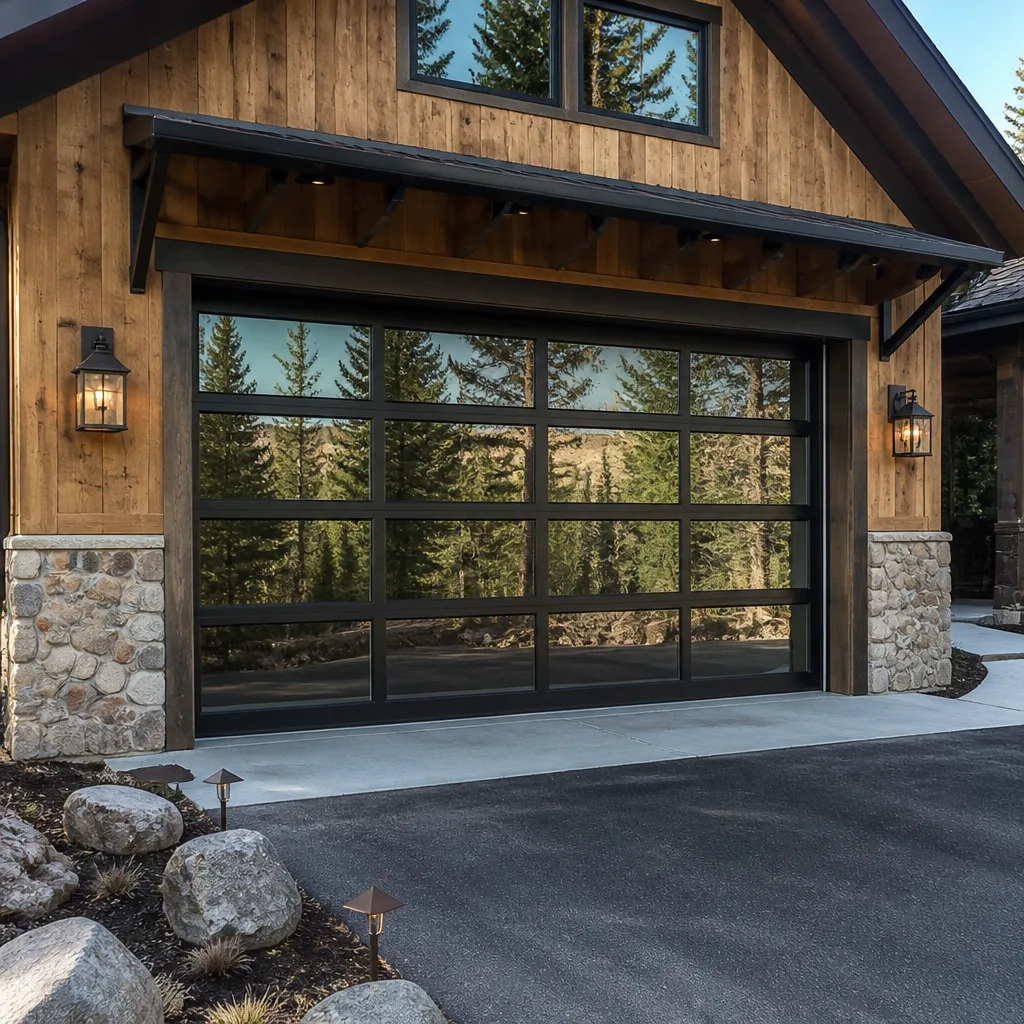 Full-view glass
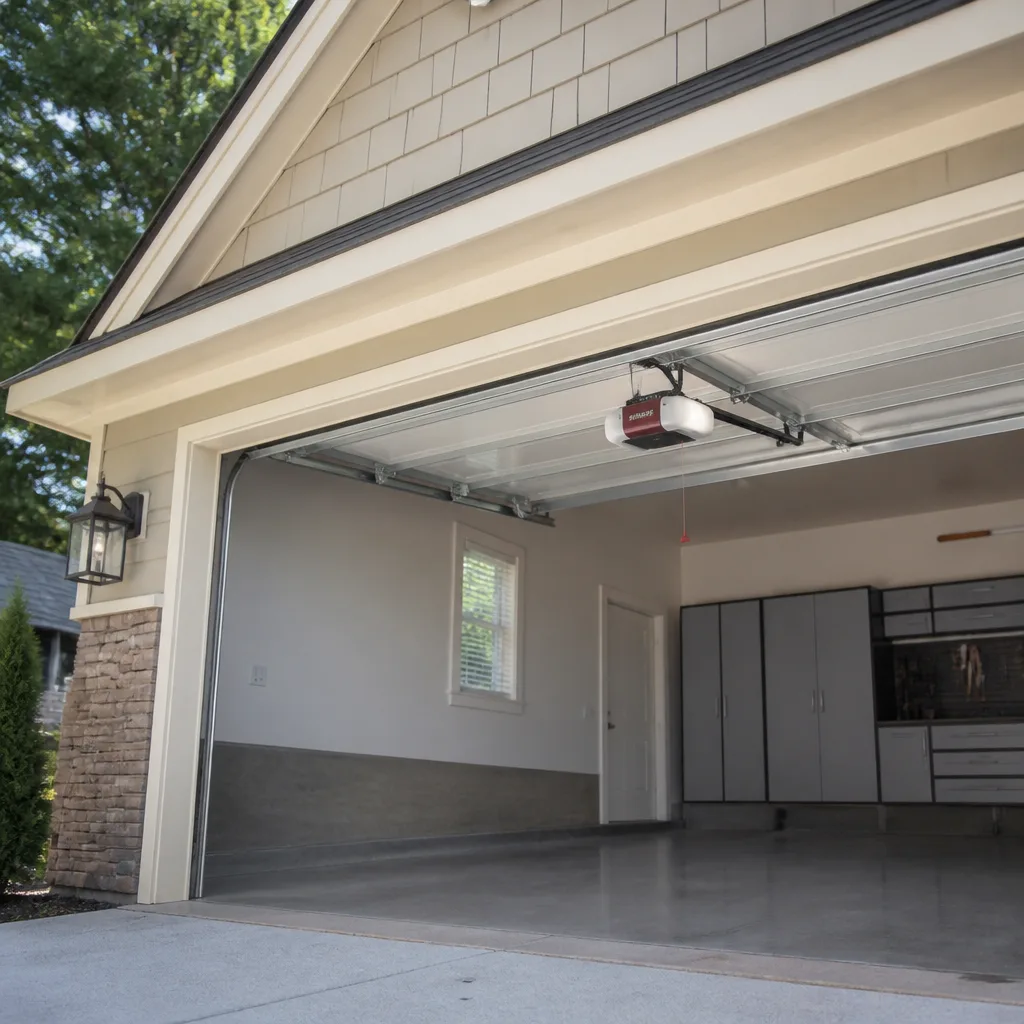 LiftMaster openers
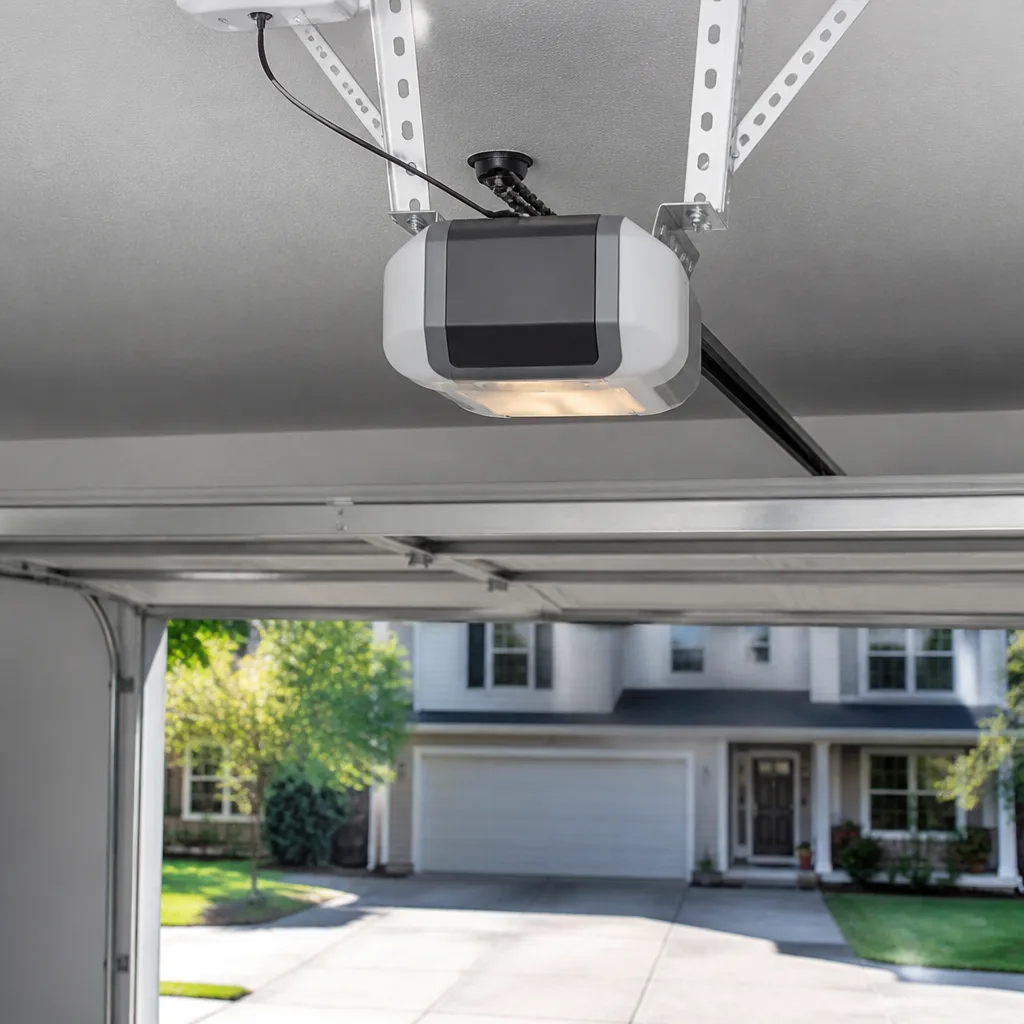 Chamberlain openers
Full 25-point door and opener safety check with every visit - springs, cables, rollers, tracks, and your LiftMaster or Chamberlain opener included
You get a price before we start. It does not change when the pro arrives.
Get your free estimateGarage Door Warning Signs: A Tyler Homeowner’s Reference Guide
A garage door that hesitates for half a second before it moves isn’t being quirky. That pause is usually early motor strain, or a cable starting to unwind unevenly from its drum. Homeowners catch the stall but don’t know what it points to, so they wait. Two months later a spring lets go and the door won’t lift at all. The gap isn’t a lack of attention. It’s a lack of vocabulary. Once you can name what you’re hearing and seeing, you can decide whether to schedule a repair this week or stop using the door today. This guide gives Tyler homeowners that vocabulary: specific sounds, specific movements, specific visual cues, and a clear severity scale for each one. We work on Tyler doors every week, and the pattern holds. The door tells you first. Nobody asks it the right questions.
Quick Answer
The warning signs that matter most on a Tyler garage door are a grinding or popping sound during travel, uneven or jerky movement, a door that reverses without an obstruction, visible cable fraying, and a bent, stretched, or rust-crusted spring. Any sign tied to springs or cables means stop using the door and call a professional. Sounds and visual wear that don’t affect travel are usually safe to monitor for a few days while you schedule service.
Styles & brands we work with
- Raised-panel steel
- Carriage house
- Modern flush
- Full-view glass
- LiftMaster openers
- Chamberlain openers
Table of Contents
- What Your Garage Door’s Sounds Is Telling You
- Movement Patterns That Point to a Specific Component
- Safe Visual Checks Every Homeowner Can Do
- Schedule Soon vs. Stop Using the Door Now
- Brand-Specific Failure Patterns
- How Tyler Weather and Housing Shape Garage Door Wear
- Common Mistakes to Avoid
- When to Call a Professional
What Your Garage Door’s Sounds Is Telling You
Sound is the earliest and most reliable diagnostic signal a garage door gives you. Each noise points to a different component, and once you know the map you can describe the problem accurately when you call. Here’s how we translate the four most common sounds:
- Grinding – Usually the opener’s gear and sprocket assembly, or dry rollers scraping against a worn track. Grinding that follows the door on the way up and down is mechanical wear, not a lubrication problem that resolves itself.
- Popping – Often the torsion spring or its winding hardware under load, or a torsion tube shifting in its bearing plate. Popping near the header at the top of the opening deserves a stop-use call, because that’s where the spring assembly lives.
- Squealing – Dry rollers, an unsealed torsion tube, or metal-to-metal contact at a hinge. Squealing is usually the mildest sound on this list, but it’s telling you something is running dry and wearing faster than it should.
- Thumping – A loose panel, a bolt backing out of a hinge, or a door that’s out of balance and slamming at the end of travel. Thumping on the way down is a balance issue as often as it’s a loose fastener.
Pay attention to when the sound happens, not just what it sounds like. A grind that starts halfway up points to the track or rollers. A pop at the very start of travel points to spring tension. A squeal that follows only the opener’s motor points to the head unit rather than the door. That timing tells us more than the noise alone, and it’s the detail that makes a call to a technician productive instead of a guessing game.
One more thing worth knowing: a door that sounds different in the morning than it did in the afternoon the day before is telling you something shifted. Don’t wait for the sound to become constant. Note the time of day, the direction of travel, and the exact moment the noise appears – that’s a real diagnostic description.
Movement Patterns That Point to a Specific Component
Movement tells you what the sound can’t. A door that travels smoothly but sounds a little rough is a different problem from a door that sounds fine but bumps and stutters. Watch your door for one full open-and-close cycle with your eyes on the panel, not your phone, and you’ll notice these in about 30 seconds:
- Uneven travel – one side of the door rises faster than the other, or the top panel tracks crooked against its jamb. That’s typically a cable tension imbalance, a bent track on one side, or an out-of-level floor that’s pushing one panel harder than the other.
- Jerky descent – the door stutters or hesitates as it comes down. Often a roller binding in its track, or a torsion spring that’s stretched and no longer delivering even torque. In Tyler homes with attached garages that face west, we see this show up more in late summer.
- Reversal with no visible obstruction – the safety sensors or force setting is triggering an adjustment. On newer Chamberlain and LiftMaster units, the sensors use an invisible beam that a dirty lens or a sun-angle shift can break. A door that reverses only in the late afternoon is telling you the beam is hitting direct sun.
- Slow or labored start – the opener hesitates a half beat before the door moves. Usually the motor is working against a stiff door: dry rollers, a stretched spring, or a balance that’s drifted. Fix the door and the motor behaves.
- Stops partway up – a travel limit, a binding track, or a door that’s out of balance enough that the opener can’t finish the cycle. Don’t keep pressing the button to see if it works this time.
Each of these is a specific component warning. A technician who knows your brand arrives already familiar with how that system is designed to travel and what “normal” looks like – which turns a vague “my door is acting weird” into a direct repair.
Safe Visual Checks Every Homeowner Can Do
You can inspect several parts of your garage door without touching a spring or a cable under tension. These checks take a few minutes and give you a much better picture of what’s wearing:
- Cable fraying – Look at the cables running up each side of the door, without touching them. Frayed strands, a cable resting off its drum, or a cable that looks slack on one side is a stop-use sign. Cables are under extreme tension and can cause serious injury if handled by an untrained person.
- Roller wear – Rollers should be round and quiet in their tracks. Flat spots, a missing wheel, or a roller that’s worn down to the stem is a maintenance-level problem that gets worse the longer it waits.
- Bottom seal gaps – A daylight gap under the door is common in Tyler, where slab movement and summer heat can warp a rubber seal. It’s not dangerous, but it costs you on cooling and it lets in insects, water, and small animals.
- Spring surface condition – Visually inspect the spring above the door for rust, a visible gap in the coil, or a stretched section. Never reach up and touch it. A spring under tension carries stored force that can release suddenly, even on a door that looks closed.
- Panel condition – Dents, cracks, and separation between panels weaken the whole door. A cracked panel on a Clopay or Amarr door can usually be replaced individually rather than replacing the whole door, which is worth knowing before you call.
- Hinge and bolt tightness – Look for bolts backing out at the hinges, and for rust around the fasteners. A loose hinge is a quick fix; the same hinge left loose can damage the panel around it.
The line to hold: look, don’t touch. The panels, seals, rollers and visible cable integrity are yours to inspect. Springs, cable tension, drums, and anything inside the opener’s cover belong to a trained technician.
Schedule Soon vs. Stop Using the Door Now
Not every warning sign is an emergency, and treating them all the same wastes your money or your safety. Here’s the severity scale we use to triage a call:
Stop using the door now and call a professional
- A cable that’s frayed, slack, off its drum, or visibly out of its track
- A spring with a visible gap in the coil, heavy rust, or a popping sound near the header
- The door hanging crooked, or one side visibly lower than the other
- A door that reverses repeatedly with no obstruction (the safety system is telling you something is wrong)
- Panels visibly separating from the hinges under load
These are the signs where the stored force in the springs and cables is the actual problem. A door that fails in this condition can drop or throw parts. If it’s on this list, leave the door closed and use the other entrance until a technician can look at it.
Schedule within the next few days
- Consistent grinding or squealing, but smooth travel
- A door that hesitates before moving but finishes the cycle
- Worn rollers, dry hinges, or a noisy opener
- Bottom seal gaps, a dented panel, or a door that’s out of trim
These are maintenance and wear issues. They don’t put anyone at risk today, but they get more expensive the longer they run. Rollers that grind wear out the track. A door that hesitates strains the motor. Catch them here and the repair stays small.
Monitor and plan
- A faint squeak in cold weather that quiets once the door warms up
- A single slow cycle on an unusually cold morning
- A sensor that trips in direct sun but works the rest of the day
These are worth a note on your phone. If they repeat, they move up the scale. If they don’t come back, you’ve learned something useful about your door’s normal behavior.
Brand-Specific Failure Patterns
Garage doors are built on the same basic physics, but each system wears on its own schedule. Our technicians have up to 8 years of experience across LiftMaster, Chamberlain, Genie, Clopay, Amarr, Wayne Dalton, Craftsman, and Raynor systems, and we see different early warnings on each. These aren’t faults – they’re design patterns worth knowing:
- LiftMaster and Chamberlain – Both brands share the same design lineage, and both tend to warn you through the opener’s indicator lights before the door itself sounds wrong. A blinking LED that you can’t explain, or a door that reverses only at certain sun angles, is often a safety-sensor issue on these units before it’s a mechanical problem. Both also use a myQ-style status indicator that will tell you when a door hasn’t fully closed.
- Genie – Genie openers tend to feel labored at the start of travel when the door’s balance has drifted, rather than sounding unusual. If your Genie unit seems to be working harder than it used to, the door is usually the culprit, not the motor.
- Clopay and Amarr – Panel and hinge wear patterns show up differently on these doors because of how the panels are stitched together. We look at the hinge plates and the panel seams on a Clopay door first, because a single worn hinge can loosen a panel faster than on other designs.
- Craftsman and Wayne Dalton – Older Craftsman units often pair with a door whose rollers and springs have aged on a different schedule than the opener. That mismatch is where the “my opener is going out” diagnosis is usually wrong – the opener is fine, and the door is the problem.
What this means for you: the warning sign you’re seeing may point to the door, the opener, or both. That’s why we cover your door and your opener together, rather than splitting them into two service visits. One diagnosis, one repair plan, one written estimate.
How Tyler Weather and Housing Shape Garage Door Wear
Tyler’s climate puts a particular kind of wear on garage doors. Summers get hot and long, and the afternoon sun can push a west-facing door through a big temperature swing between morning and late afternoon. That swing is why we see springs and seals wear faster on doors that face the sun all day. Metal expands and contracts, the rubber bottom seal hardens, and the rollers pick up heat that thins their lubrication. By the time fall arrives, the door has been through a full cycle of expansion at a rate most homeowners don’t feel inside the house.
Housing stock matters too. Tyler has a wide mix of established neighborhoods and newer subdivisions, and the doors that came with each generation of home were built for different life expectancies. Older doors in established parts of town often show worn rollers, aging springs, and cracked seals at the same time. Newer doors tend to show opener issues first, because the door itself is still tight and the electronics have more to do with how it behaves. Homes near the edges of town, with more dust and pollen in the air, need their tracks and sensors cleaned more often than homes in the middle of Tyler.
Garage doors are also more than access in a lot of Tyler homes. Attached garages double as storage, workshop, and the main entrance for a family coming and going all day. A door that’s worn this way sees more cycles per week than a door on a house where everyone parks outside. Cycle count is the real measure of spring and roller life, so a busy Tyler household wears out a spring faster than a quieter one on the identical door.
Because we’re local to Tyler, we see these patterns across neighborhoods – not just in a service manual. When we look at a door, we’re reading the same climate and housing conditions it’s been living in.
Common Mistakes to Avoid
- Ignoring a half-second hesitation. A door that stalls briefly before moving is showing you motor strain or a cable issue early. Waiting for it to fail turns a small repair into an emergency.
- Pressing the button again after a bad cycle. If the door stops partway, reverses without an obstruction, or makes a new noise, don’t cycle it repeatedly to test it. A door in this state can throw parts or drop.
- Touching the spring or cable. Springs and cables are under tension that can release suddenly and cause serious injury. A trained technician handles these; a homeowner shouldn’t. If the spring looks rusted or the cable looks frayed, call – don’t poke.
- Assuming the opener is the problem. Most “my opener is going out” calls in Tyler turn out to be door balance, dry rollers, or worn springs. The motor is doing its best against a door that’s fighting back.
- Greasing the track. Track lubrication attracts grit and dust that wears the rollers faster. Lubricant goes on the rollers, hinges, and springs in small amounts – not the track itself.
- Replacing the whole door when a panel would do. On a Clopay or Amarr door, a single damaged panel is often replaceable on its own. Ask about panel-level repair before you assume it’s a full replacement.
- Waiting for a warning sign to become a failure. The whole point of a warning is that it arrives before the repair bill does. The best time to call is when the door is telling you – not after it’s stopped telling you anything.
When to Call a Professional
Call a professional when the door shows a warning sign tied to springs, cables, or travel. Those systems carry real force and need a trained eye. That means a grinding or popping sound near the header, a door that travels unevenly or reverses with no obstruction, a cable that looks frayed or slack, or a spring with rust, a gap, or a stretch. Call sooner if the door is on our stop-use list, and don’t cycle it to test. A call before the door fails keeps the repair small and the safety intact.
If what you’re seeing is maintenance-level wear – noisy rollers, a bottom seal gap, a dented panel, a squeal that comes and goes – you have a few days to schedule, and it’s worth doing. Garage door repair in Tyler is our primary trade, and it’s the only thing we do, so we know what to look for on your door. Tyler Garage Door Service offers free estimates in Tyler – call (844) 834-2184. We answer 24/7. Fast dispatch from 7am to 7pm, Sunday through Friday.
Frequently Asked Questions
The most common early warning we see is a door that hesitates or sounds different for a few seconds before it moves. That hesitation usually points to motor strain from a door that’s out of balance, worn rollers, or a cable starting to unwind from its drum. It’s easy to dismiss because the door still opens. But it’s a specific signal, and it’s the most useful one you can catch early. Call (844) 834-2184 for an exact quote – estimates are free.
A popping sound near the top of the opening, or a bang followed by the door refusing to lift, means stop using the door and call a professional. Those sounds usually point to a spring failure or a cable problem, and a door in that state can drop or throw parts. Grinding, squealing, and thumping are serious enough to schedule soon but not a stop-use emergency. If you’re not sure which you’re hearing, call and describe it – we can tell you on the phone whether to stop. Call (844) 834-2184. We answer 24/7.
Yes, you can safely check panels, seals, roller wear, cable appearance, and spring surface condition with your eyes only. You should not touch a spring, a cable, or any part under tension – those carry stored force that can release without warning. Look, note what you see, and describe it when you call. That’s the safe line for a homeowner.
A door that reverses with nothing under it is usually a safety sensor or a force-setting issue, not a mechanical failure. On LiftMaster and Chamberlain openers, it can also be the sensor beam picking up direct sun at certain times of day. A door that only reverses in the late afternoon is a strong hint. This is worth a service call, not a stop-use emergency – call (844) 834-2184 and describe when the reversal happens.
They do, because each system is designed to warn you through different channels. LiftMaster and Chamberlain openers often signal trouble through indicator lights and sensor behavior before the door itself sounds wrong. Genie units tend to show the first warning as a labored start. Clopay and Amarr doors wear at the hinges and panel seams before the opener complains. A technician familiar with your specific brand knows what to look for first. That’s why we work on all eight major brands, not just the ones we install.
No, it’s usually not an emergency, but it is a real warning sign worth scheduling for. A door that hesitates while the opener sounds healthy is often a balance issue, a dry roller, or a beginning spring problem – the motor is doing extra work it shouldn’t have to. Left alone, that strain moves from the door to the motor, and the repair grows. Call for a free estimate and get it diagnosed before that happens. Call (844) 834-2184.
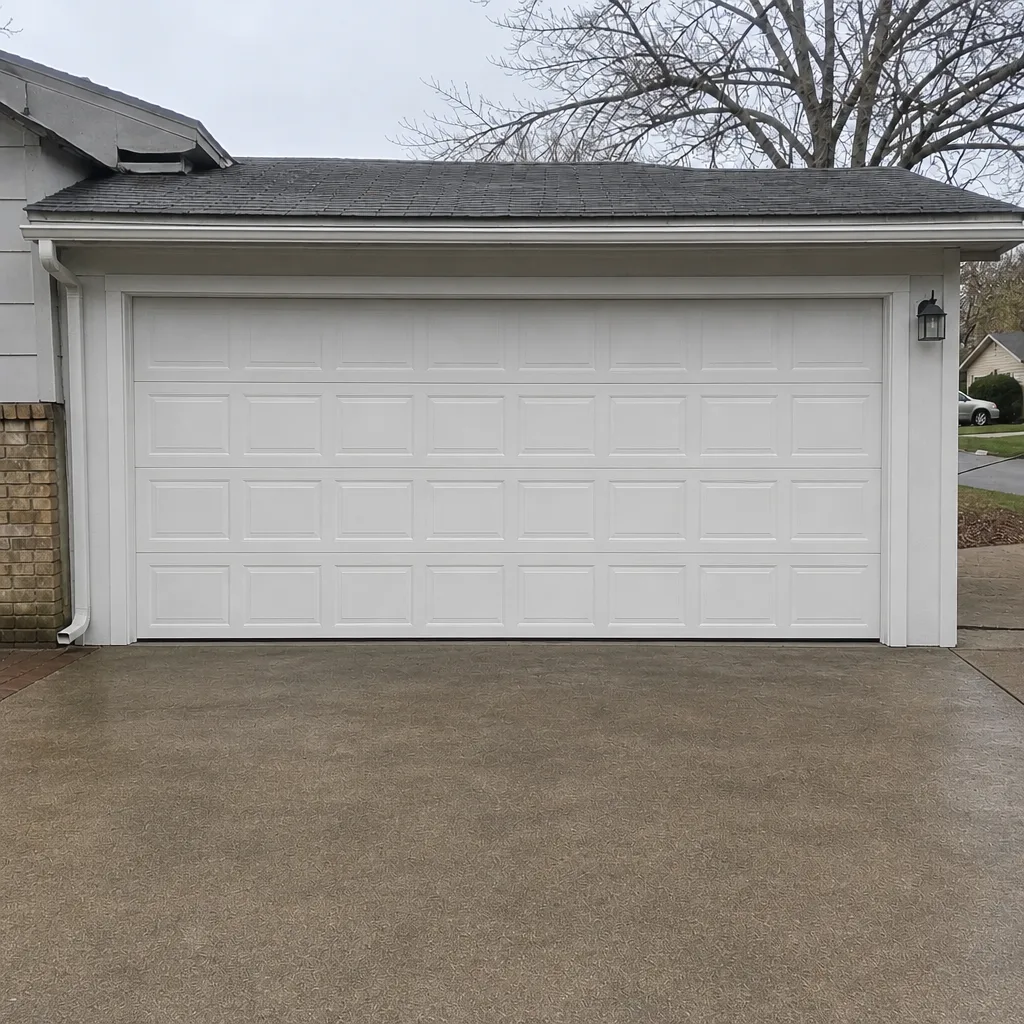
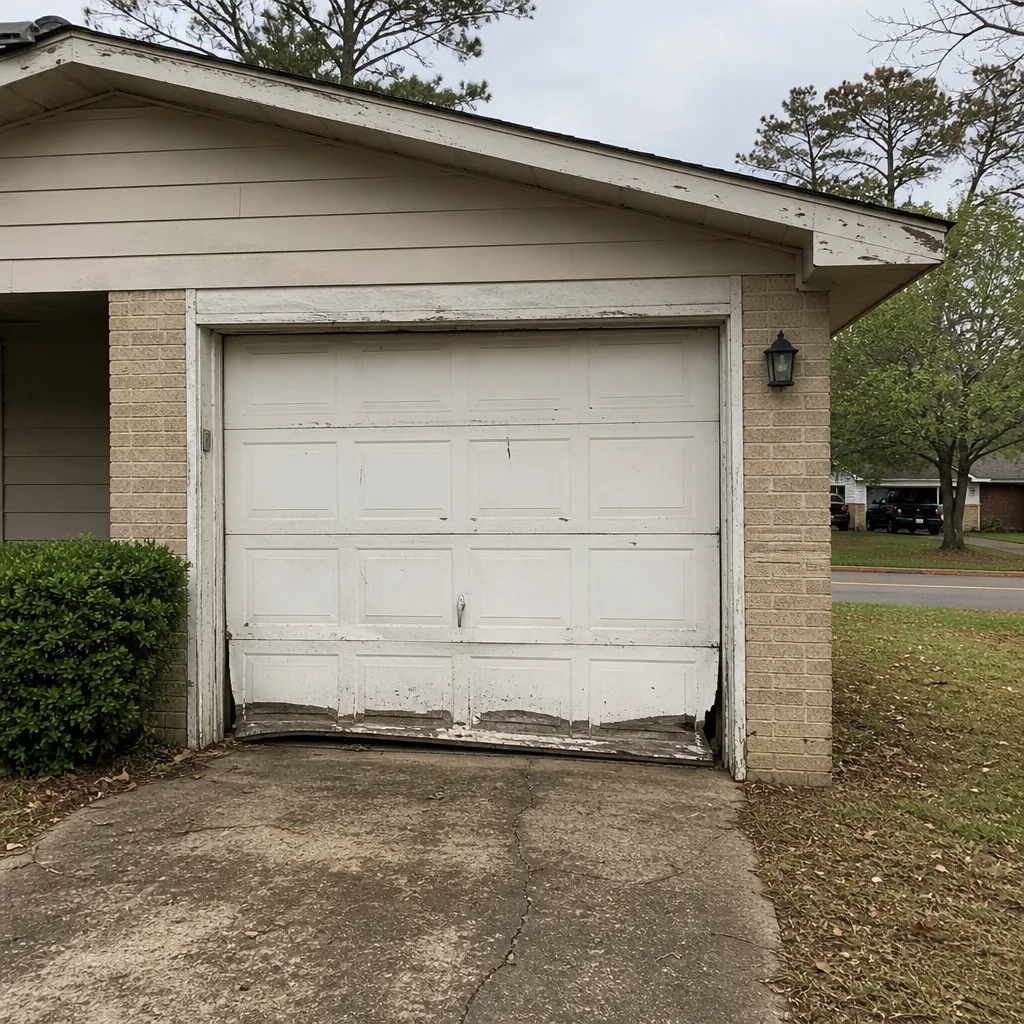
See the difference
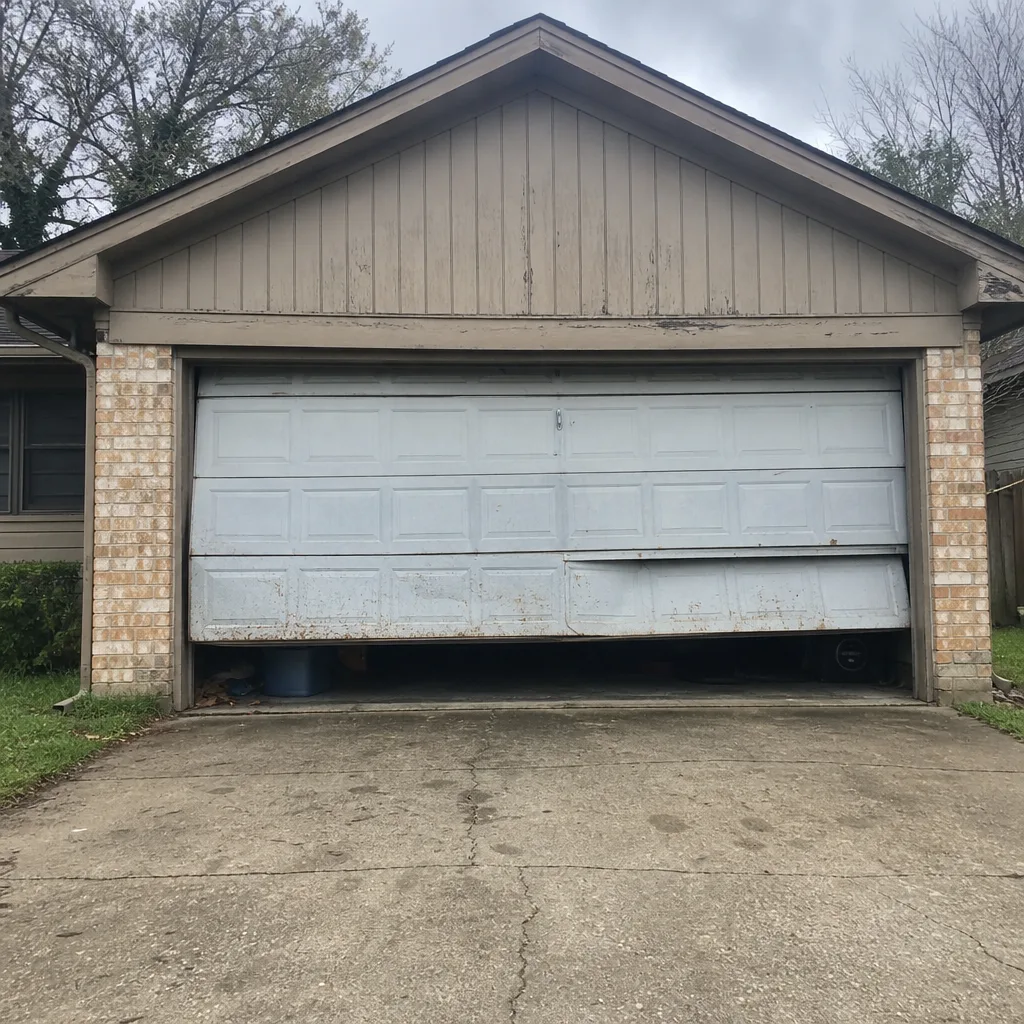 Before
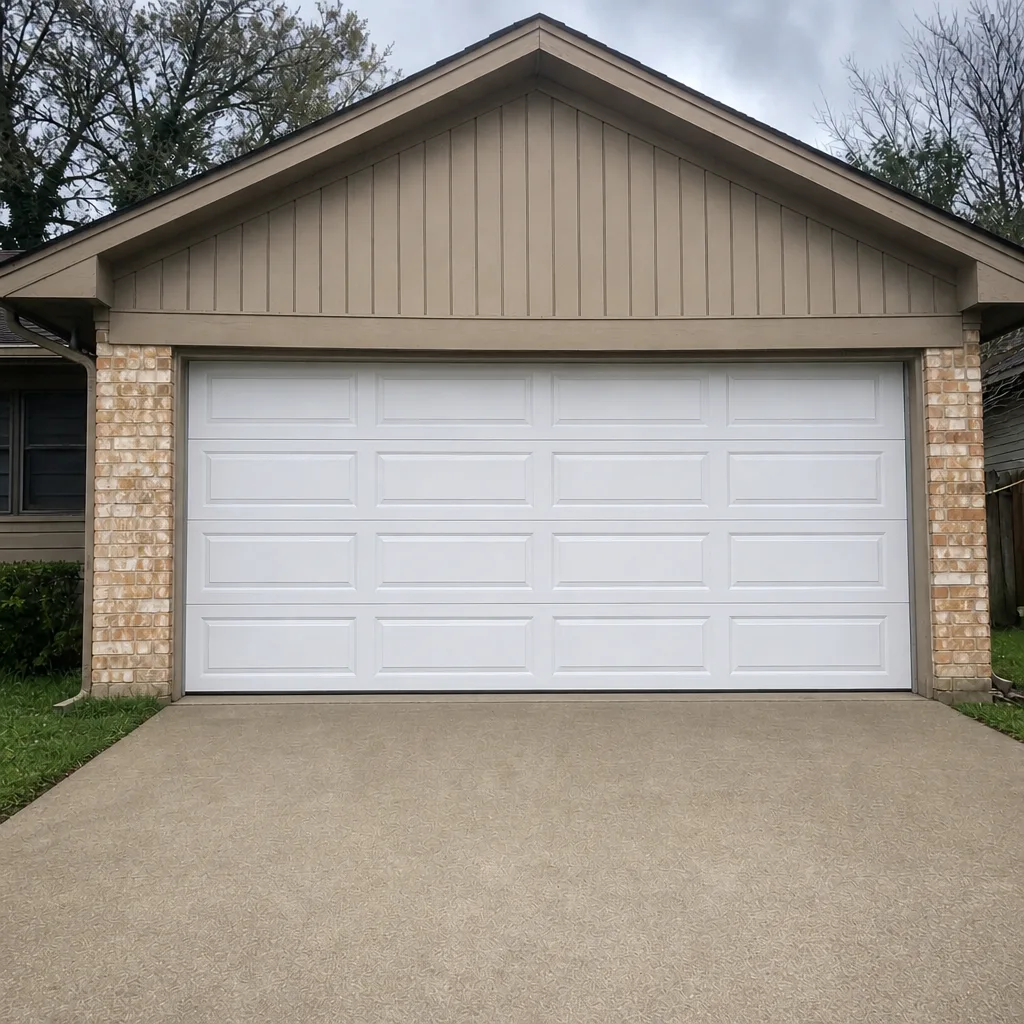 After
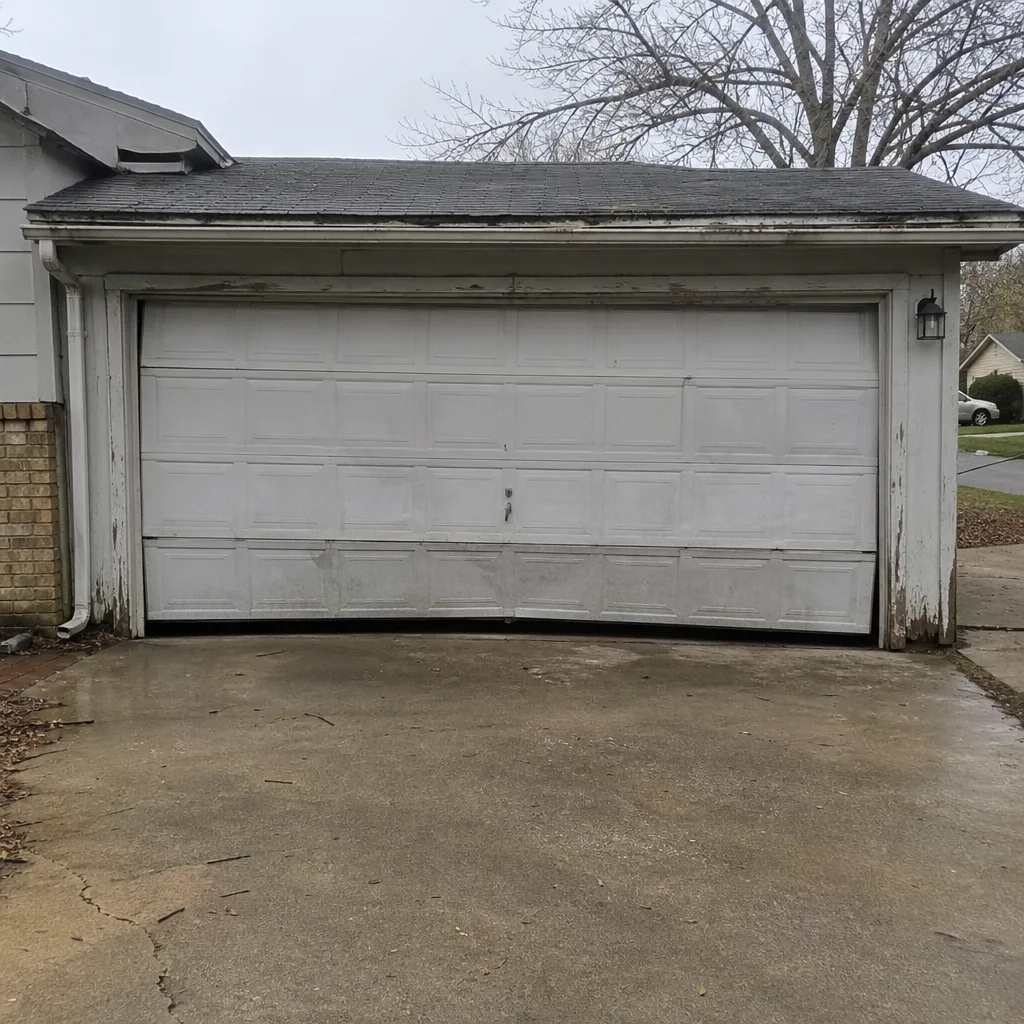 Before
 After
 Before
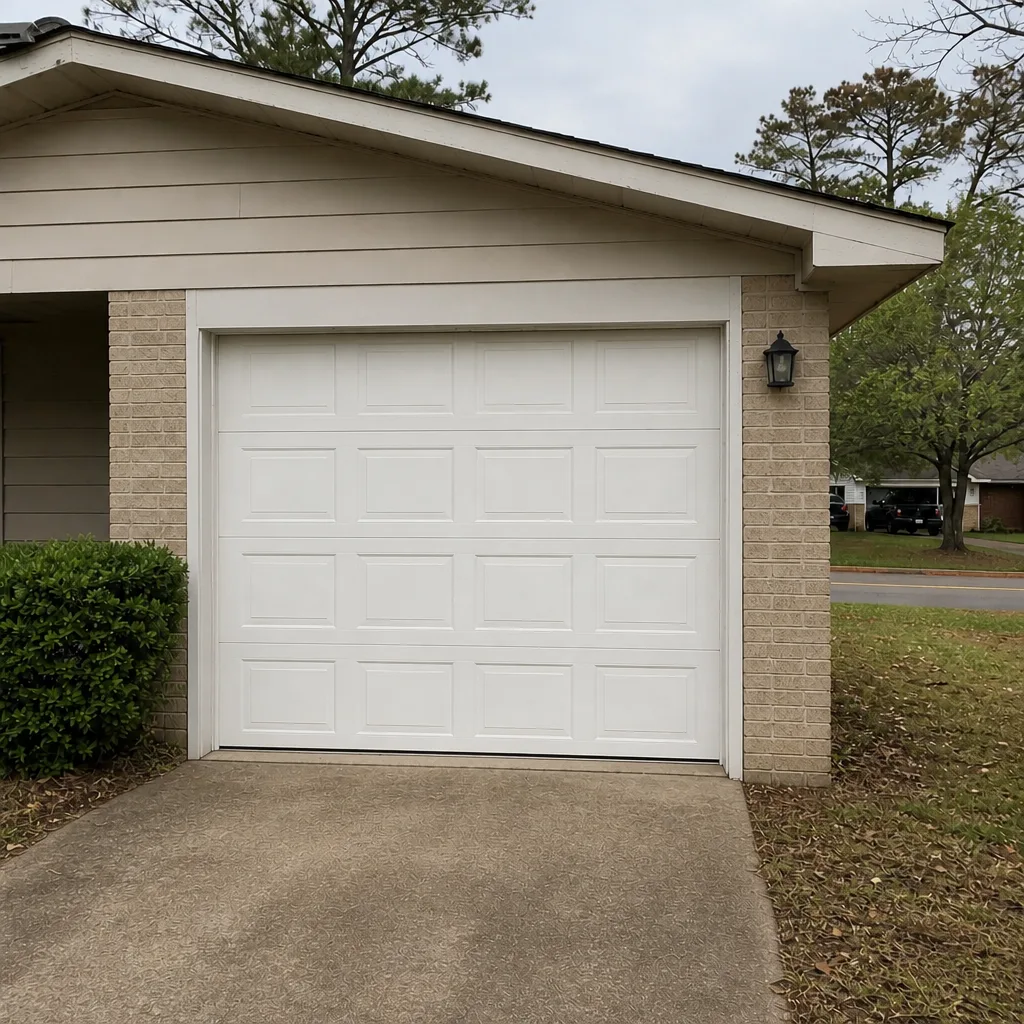 After
The Bottom Line
Garage doors don’t fail without warning. They hesitate, grind, pop, reverse, or wear visibly for weeks before something breaks. The difference between a small repair and an emergency call is whether you can name what you’re hearing. Read the sound. Watch the movement. Look at the spring, the cable, and the seal without touching them. Put each sign on the severity scale: schedule soon, or stop using the door now. And when the sign is on the stop-use list, call before you cycle the door again. A Tyler garage door gives you a clear, specific warning. The right move is to answer it.
Contact Tyler Garage Door Service
We work on your brand – LiftMaster, Chamberlain, Genie, Clopay, Amarr, Wayne Dalton, Craftsman, Raynor – and garage doors are all we do. Whether you’re hearing a grind, seeing a frayed cable, or just want a second look before you schedule anything, call (844) 834-2184 for a free estimate. Our technicians have up to 8 years of experience, and we’ll tell you what’s actually wrong before any work starts. We answer 24/7 for garage door opener repair and door issues, with fast dispatch from 7am to 7pm, Sunday through Friday. If your door is due for a new one, we handle full Tyler Garage Door Service installation as well, with a written estimate before anything is ordered or installed.
Written by the team at Tyler Garage Door Service.