
Last updated November 16, 2026
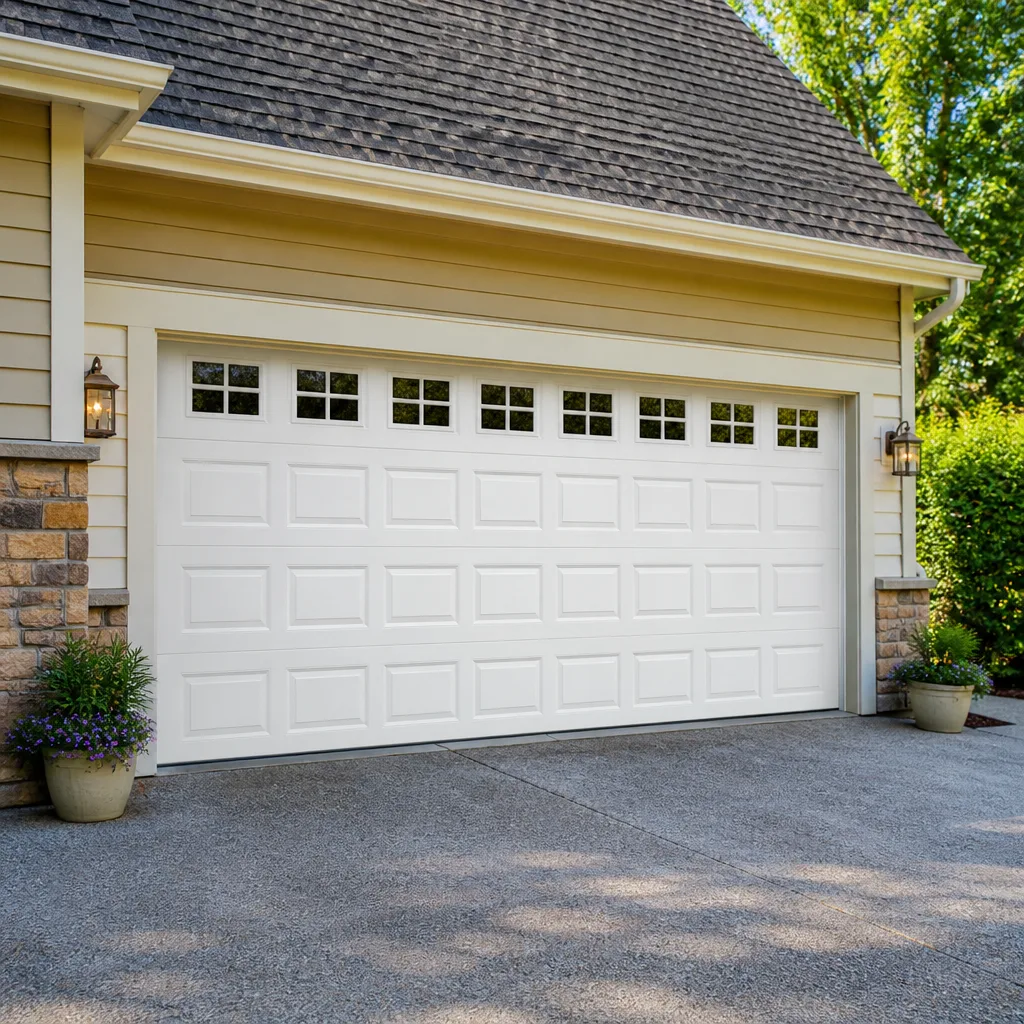 Raised-panel steel
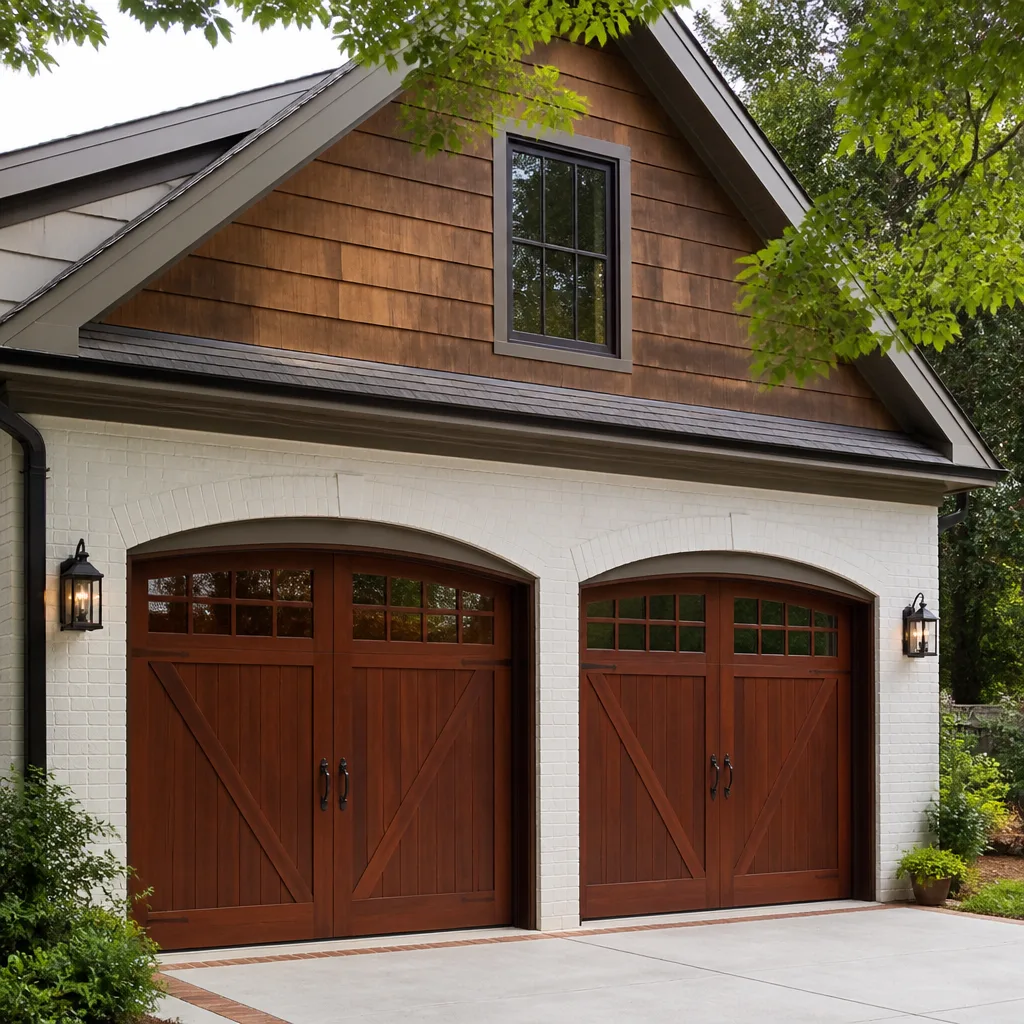 Carriage house
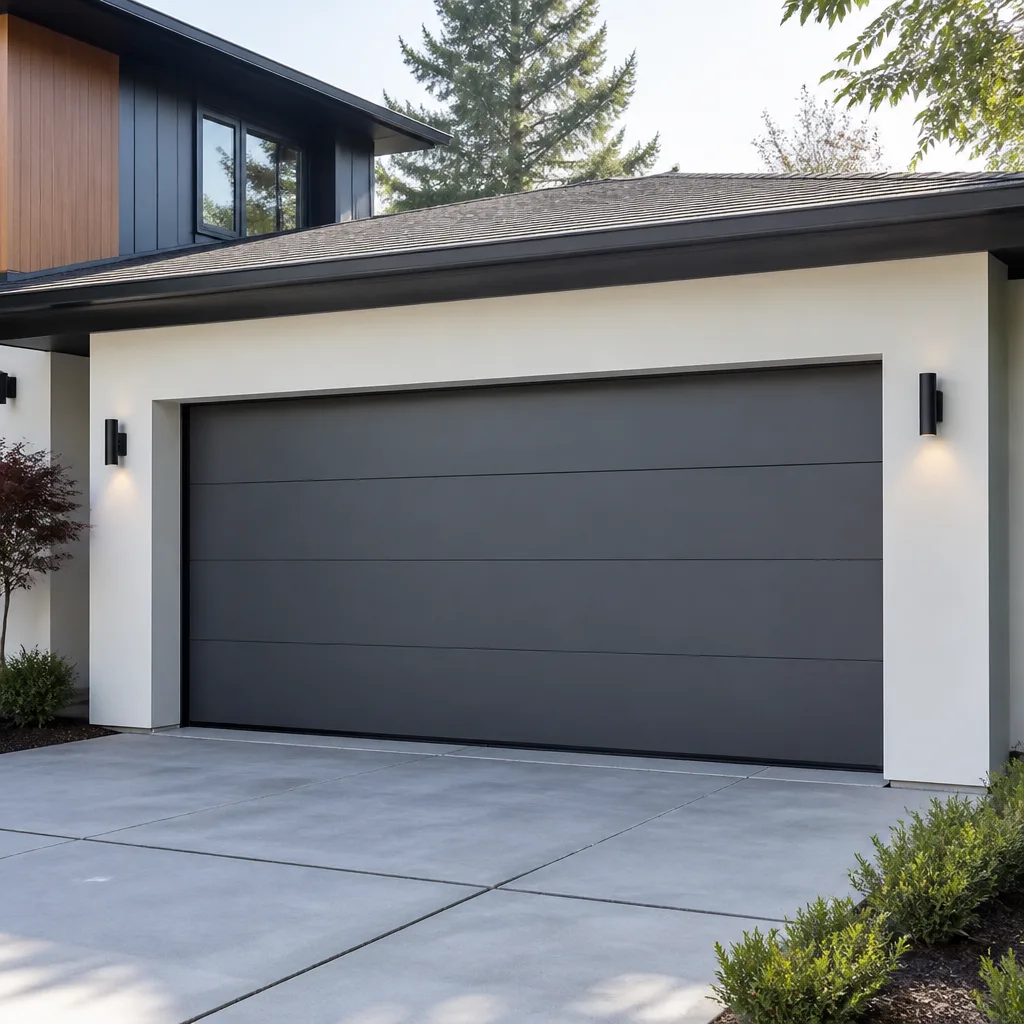 Modern flush
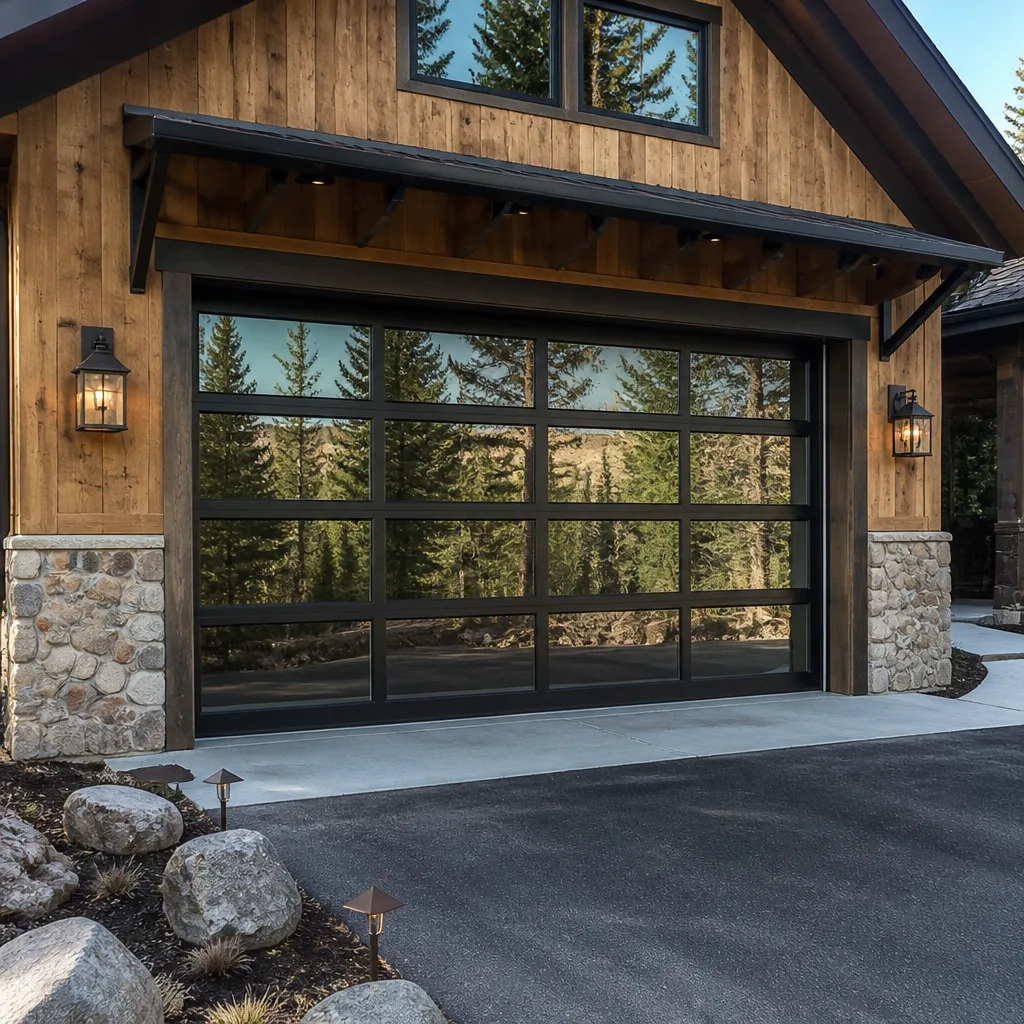 Full-view glass
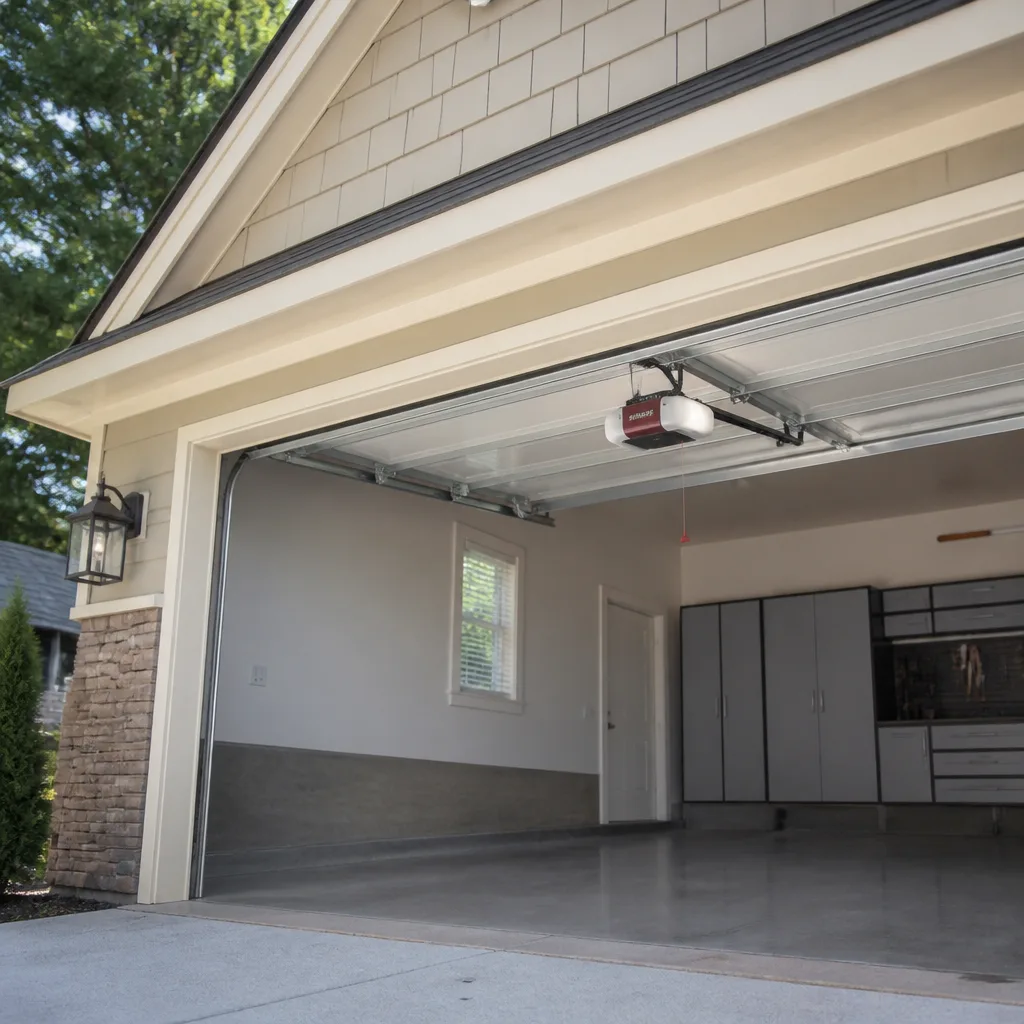 LiftMaster openers
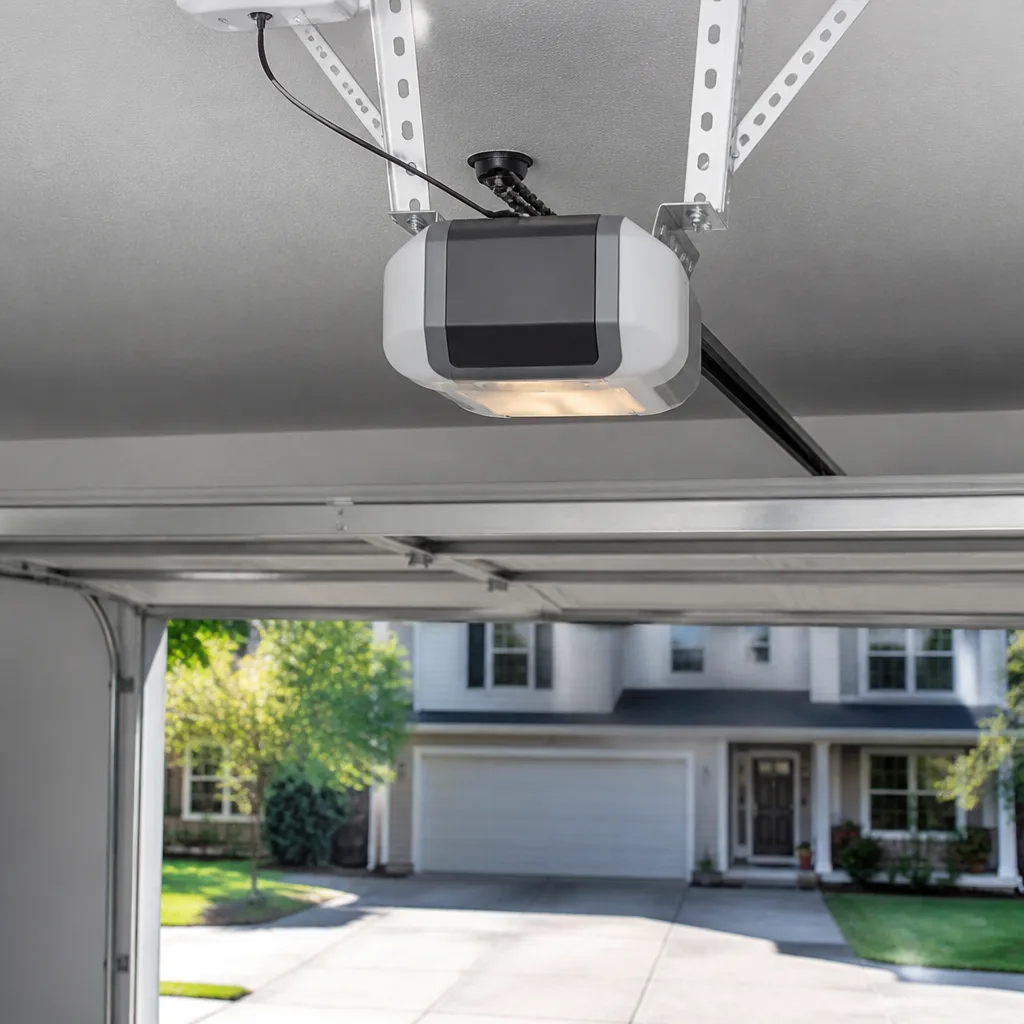 Chamberlain openers
Full 25-point door and opener safety check with every visit - springs, cables, rollers, tracks, and your LiftMaster or Chamberlain opener included
You get a price before we start. It does not change when the pro arrives.
Get your free estimateThe Complete Guide to Garage Doors in Tyler
Most “complete guides” to garage doors are written for nowhere in particular, which means they’re useful for nowhere specifically. Tyler sits in East Texas humidity with a housing mix that runs from 1970s ranch-styles to new construction subdivisions, and each of those contexts changes what you need. A door that holds up in a dry climate can fail early here. A spring sized for a flat driveway can wear out fast on a sloped one. This guide covers what actually matters for a Tyler garage door: materials that survive the humidity, the door types common to each housing era, how lot grades and driveway slopes affect spring and track selection, and how to tell a full-system evaluation from a single-component service call. If you’d rather talk it through, our team handles nothing but garage doors across the Tyler area.
Quick Answer
The right garage door for a Tyler home depends on three local factors: East Texas humidity, the age of your house, and your driveway’s slope. Galvanized steel and quality wood composites hold up best in this climate. Single-car and double-car sectional doors are standard across Tyler’s older ranch neighborhoods and newer subdivisions, and the spring and track system has to be matched to your actual lot grade. Brand matters too, which is why being familiar with Amarr, Wayne Dalton, Craftsman, and Raynor systems saves time on both repairs and installations.
Styles & brands we work with
- Raised-panel steel
- Carriage house
- Modern flush
- Full-view glass
- LiftMaster openers
- Chamberlain openers
Table of Contents
- How East Texas Humidity Affects Garage Door Materials
- Tyler’s Housing Eras and the Doors That Go With Them
- Lot Grades, Driveway Slopes, and Why Springs Fail Early
- Why Multi-Brand Familiarity Matters in Tyler
- Full-System Evaluation vs. Single-Component Service
- Repair or Replace? How to Decide
- What a New Garage Door Installation Involves
- Your Opener Is Part of the System, Not an Accessory
How East Texas Humidity Affects Garage Door Materials
Humidity is the single biggest environmental factor shaping which garage doors last in Tyler. The piney woods around us hold moisture in the air most of the year, and a garage door is a large flat surface that takes the full force of it. Not every material handles that equally. Here’s how the common options actually behave in this climate:
- Galvanized steel: The most reliable choice for Tyler homes. The zinc coating on galvanized steel resists moisture well, and the finish holds up as long as the panels aren’t scratched to bare metal. Steel sectional doors dominate here for good reason.
- Wood composites and engineered wood: Quality composites outlast natural wood in this humidity because they don’t absorb moisture the same way. Cheap particle-board cores swell at the seams and the bottom edge, where water wicks up off the slab.
- Natural wood: Beautiful, but demanding in East Texas. It needs repainting or restaining on a schedule the humidity sets, not one you choose.
- Aluminum: Light and rust-resistant, common on full-view modern doors, but thinner aluminum dents easily and isn’t the best pick on a large double door.
One detail competitors skip: the bottom weather seal and the bottom panel edge are where humidity does its quiet damage. Water sits on the slab, the seal degrades, and moisture works up into the door’s lowest section first. That’s why a rotting bottom panel is the most common wood-door failure we’re asked to look at in Tyler. When you garage door repair is on your mind, checking that seal and the bottom edge costs nothing and tells you a lot.
Paint and finish matter more here than the marketing on the box suggests. A steel door with a good factory finish handles humidity well. The same door with a thin finish and a scratch down to bare metal will start to rust at that spot first. Touch up scratches when you see them and you’ll get years more out of the door.
Tyler’s Housing Eras and the Doors That Go With Them
Walk through Tyler’s neighborhoods and you can roughly date a house by its garage door. That’s not trivia. Knowing the era tells you which door configuration is most likely there, and which problems that configuration tends to develop.
1970s and 1980s ranch-style homes
These are common in established Tyler neighborhoods. Single-car and double-car doors here are often older, heavier wood or early steel, sometimes with original openers still mounted. The doors tend to be heavier than modern equivalents, which puts more load on springs. If an opener from this era is still running, its components are aged and the door itself may be providing resistance it was never meant to carry.
1990s and 2000s subdivisions
Builders in this period standardized on steel sectional doors and chain-drive openers. The doors are lighter and more uniform. Most service calls on these homes involve worn springs, noisy rollers, or openers that have reached the end of their usable life rather than structural door problems.
New construction across Tyler
Newer homes here show more variety: full-view glass-and-aluminum doors, carriage-style steel in warmer finishes, and more emphasis on the door as part of the front elevation. These systems are engineered to tighter tolerances, which makes correct installation and proper spring sizing more important, not less. A door that’s installed with the wrong spring tension will strain the opener and wear out faster no matter how new it is.
Across every era, the pattern holds: the door, the springs, and the opener wear together. Servicing one and ignoring the others is how a small repair turns into a bigger one.
Lot Grades, Driveway Slopes, and Why Springs Fail Early
This is where a generic national guide falls apart. Tyler’s terrain isn’t flat, and many subdivisions sit on grades that shape how the driveway meets the garage. A driveway that slopes toward the house, which is common on hillside lots, changes the load the door and springs carry. Here’s how:
- Slope affects spring sizing. Torsion springs are matched to the weight of the door. When a driveway runs at an angle, the door still needs to balance correctly, but installers who don’t measure carefully can size springs wrong. Wrong tension means the opener works harder and the springs wear faster.
- Track alignment shifts with the grade. On sloped driveways, the track has to sit square to the opening, not to the ground. Misaligned tracks cause the door to bind, which you’ll hear as scraping or grinding.
- Water runoff matters. A driveway that pitches toward the garage sends rainwater to the threshold. That accelerates bottom-seal wear and, on wood doors, bottom-panel rot. On low-grade lots, a proper seal and a small drainage channel go a long way.
- Heavy doors on sloped drives fail sooner. More weight plus more friction equals faster spring fatigue. If your home is built on a grade and your door is older, expect spring service earlier than a neighbor on flat ground.
We’ve seen this enough across Tyler to know that a spring that’s only a few years old can fail on a sloped-lot home while a flat-driveway spring the same age keeps going. If that describes your situation, a technician who measures your actual door weight and slope matters. Springs and cables under tension are genuinely dangerous to work on yourself; this is not a job for a homeowner with a wrench and a ladder.
Why Multi-Brand Familiarity Matters in Tyler
Tyler doesn’t have one dominant builder-grade door. The housing mix means you’ll find Amarr steel doors in older subdivisions, Wayne Dalton systems from the 1990s and 2000s, Craftsman openers on homes where the original equipment is still running, and Raynor doors on any number of homes where the owner upgraded years ago. That variety is exactly why a technician who already knows your brand is worth more here than in a market where every house has the same door.
Brand familiarity changes the job in practical ways:
- You get the right part faster. Knowing your brand and model means knowing which springs, rollers, and remotes fit without guesswork.
- Diagnosis is quicker. Each manufacturer has its own quirks: how a Wayne Dalton door handles its spring system, how a Craftsman opener reports a fault through its light code, how Raynor hardware ages.
- Recommendations stay honest. When a technician works across many brands, they recommend what fits your home and budget, not what earns a manufacturer incentive.
Our technicians have up to 8 years of experience, and garage doors are all we do. That focus means we arrive already fluent in the eight major brands we work on: LiftMaster, Chamberlain, Genie, Clopay, Amarr, Wayne Dalton, Craftsman, and Raynor. If your door is from one of those lines, we know it before we knock. If you’re in the market for a new door, the same breadth helps, because there’s no pressure to steer you toward a single manufacturer.
Full-System Evaluation vs. Single-Component Service
A single-component service call fixes the thing that broke. A full-system evaluation looks at the door, springs, tracks, rollers, hinges, and opener as one machine, because that’s what they are. In Tyler humidity and on Tyler grades, the two approaches produce very different outcomes. Here’s the difference:
Single-component service
You call because the door won’t open. The technician replaces the spring that broke, the door works, and they leave. That’s a valid fix and sometimes it’s exactly right. What it doesn’t do is tell you whether the opener was straining, whether the tracks are still square, or whether the other spring is at the end of its life too.
Full-system evaluation
This is a structured check of the whole system. It works like this:
- Balance test. Disconnect the opener and lift the door by hand. A well-balanced door stays put at half-height. If it slams down or drifts up, the springs need attention.
- Spring and cable inspection. Check for gaps in the torsion spring coils, wear at the cable ends, and loose drums.
- Track and hardware check. Look for bent tracks, loose brackets, and worn rollers, with extra attention to alignment on sloped lots.
- Opener review. Test the safety reverse, check the force settings, and assess whether the opener is matched to the door’s weight and the door’s age.
- Seal and bottom-edge check. Inspect the bottom seal and the lowest panel for moisture damage, which is the Tyler-specific piece most single-component calls skip.
A full evaluation often catches the next failure before it happens. That’s the goal: the right fix, not the easiest upsell. If you’re unsure which type of call you need, describe what’s happening and we’ll tell you.
Repair or Replace? How to Decide
There’s no single answer, but there are clear signals. For most Tyler homeowners, a single failed part on a door with good panels means repair. A door that needs multiple major components at once, or whose panels are failing from humidity, usually means it’s time to look at replacement. Use this as a guide:
- Lean repair when one component failed (a spring, a roller set, a single hinge), the panels are solid, and the door is otherwise balanced and quiet.
- Lean replace when springs, cables, rollers, and opener are all near the end of their life at once, or when the panels themselves have failed.
- Replace on humidity damage. If the bottom panel of a wood door has absorbed moisture and swelled or rotted, patching it rarely lasts in this climate. A steel replacement solves the recurring problem.
- Consider the opener’s age. If the door is sound but the opener is old and straining, replacing the opener alone can extend the door’s life considerably.
Get a written estimate before you commit either way. The estimate should lay out what’s failing, what can wait, and what each option costs, so you’re deciding with facts instead of pressure. For cost topics specifically, replacement is a measured and ordered project, not a same-day one, so a free measure and a written price is the right first step.
What a New Garage Door Installation Involves
Installing a new door in Tyler is a sequence, not a single visit. Knowing the steps helps you plan and spot a rushed job.
- Measure and assess. The installer measures the opening precisely, weighs the door, and checks the lot grade and driveway slope. This is where correct spring sizing gets decided.
- Choose materials with the climate in mind. For most Tyler homes, galvanized steel or quality composite is the durable pick. The finish matters as much as the material.
- Order the door. Doors are made to order, so expect a lead time between the measure and the install day. This is work that’s scheduled, not squeezed in.
- Remove and prep. The old door comes down, the opening gets checked, and the track and brackets are set square to the opening.
- Install the door and springs. Panels, hardware, and springs go in, and the springs are tensioned to match the door’s actual weight. This is the step that has to be right.
- Test and balance. The door is balanced, the opener is set, and the safety reverse is verified before the job is done.
- Hand off. You should get a walkthrough of the door’s operation and the written price you agreed before the work began.
Because installation is scheduled around a measure, we don’t promise same-day installs. What we do promise is a free measure and a written price, so you know exactly what you’re getting before anything is ordered.
Your Opener Is Part of the System, Not an Accessory
A garage door and its opener are one machine. Treating them as two separate service calls is how homeowners end up replacing an opener that was fine, or burning out a new opener on an unbalanced door. In Tyler, where older openers are common, this integration matters more than in newer markets.
The key relationship is load. An opener only has to lift the door if the springs are doing their job. When springs weaken, the opener takes on weight it wasn’t designed for, and it strains, overheats, or fails early. A creeping sign of spring trouble is often an opener that seems to “struggle” on part of the travel. If your opener is acting up, the first question a technician should ask is whether the door itself is balanced. If you’ve already ruled that out, garage door opener repair becomes the next step, and the opener’s brand and model determine how quickly the fix happens.
Brand and age both matter. A Craftsman opener from twenty years ago and a recent LiftMaster or Genie unit have very different fault patterns and different component lifespans. Knowing the brand up front shortens diagnosis and helps you decide between repair and replacement without guesswork. When the door and the opener are handled together, you get a system that’s balanced, reliable, and matched to your home.
Common Mistakes to Avoid
- Ignoring the bottom seal. In East Texas humidity, a degraded bottom seal lets moisture work into the lowest panel. On a wood door that’s often the start of rot that costs far more than a seal replacement would have.
- Replacing only one spring of a pair. Matched springs are installed together and wear together. Replacing one leaves the other to fail soon after, and the door may sit unbalanced in the meantime.
- Blaming the opener for a door problem. A struggling opener is often reacting to a door that’s out of balance or a spring that’s weak. Fixing the door first can save the cost of a new opener entirely.
- Choosing a door by looks alone. In this climate, material durability and finish matter as much as style. A door that looks right but can’t handle the humidity will be back on your list sooner.
- Skipping the slope check on installation. If a new door goes in without matching springs to your actual lot grade, it wears early. Measure the door-weight and the driveway pitch before ordering.
- Assuming all brands are the same. A technician who doesn’t know your brand may guess at parts and come back twice. Familiarity shortens the job.
- Handling spring work yourself. Torsion springs and cables are under extreme tension and can cause serious injury. Leave spring work to a trained professional, every time.
See the difference
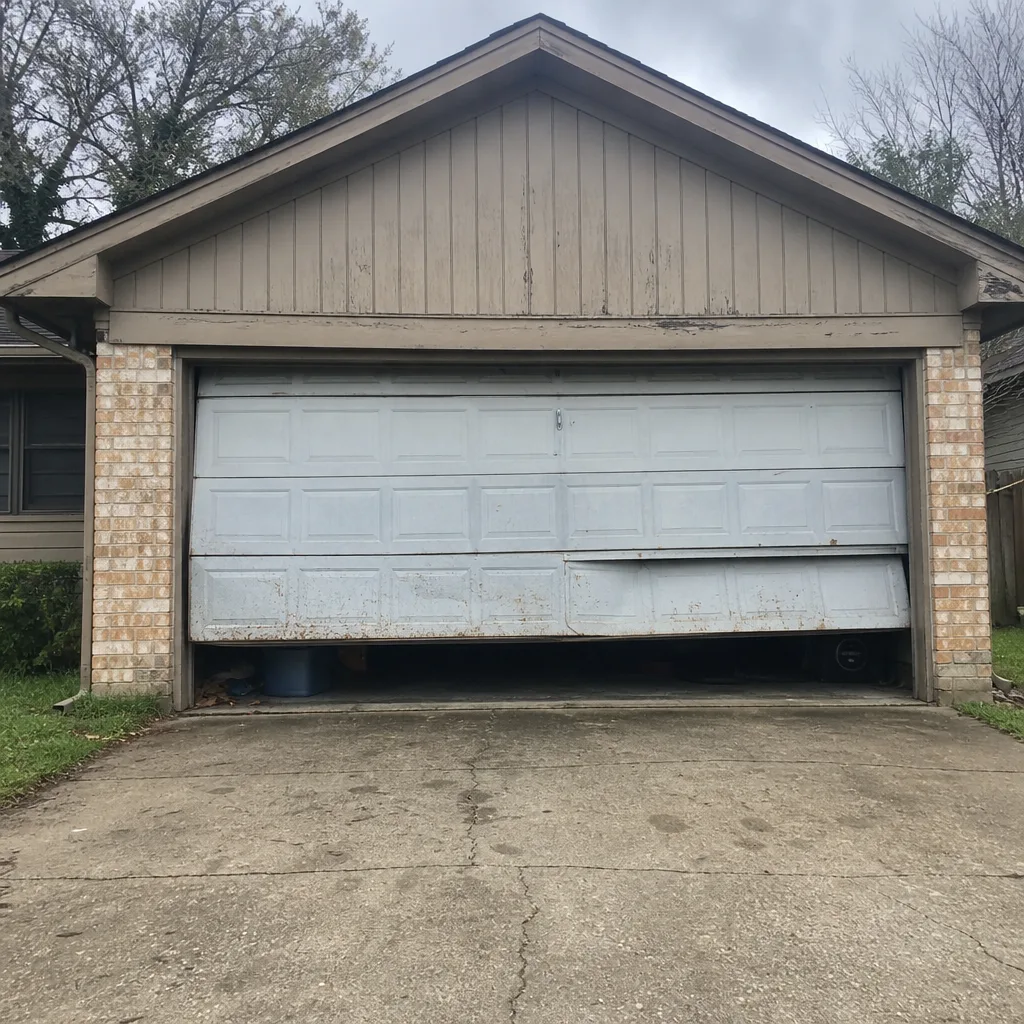 Before
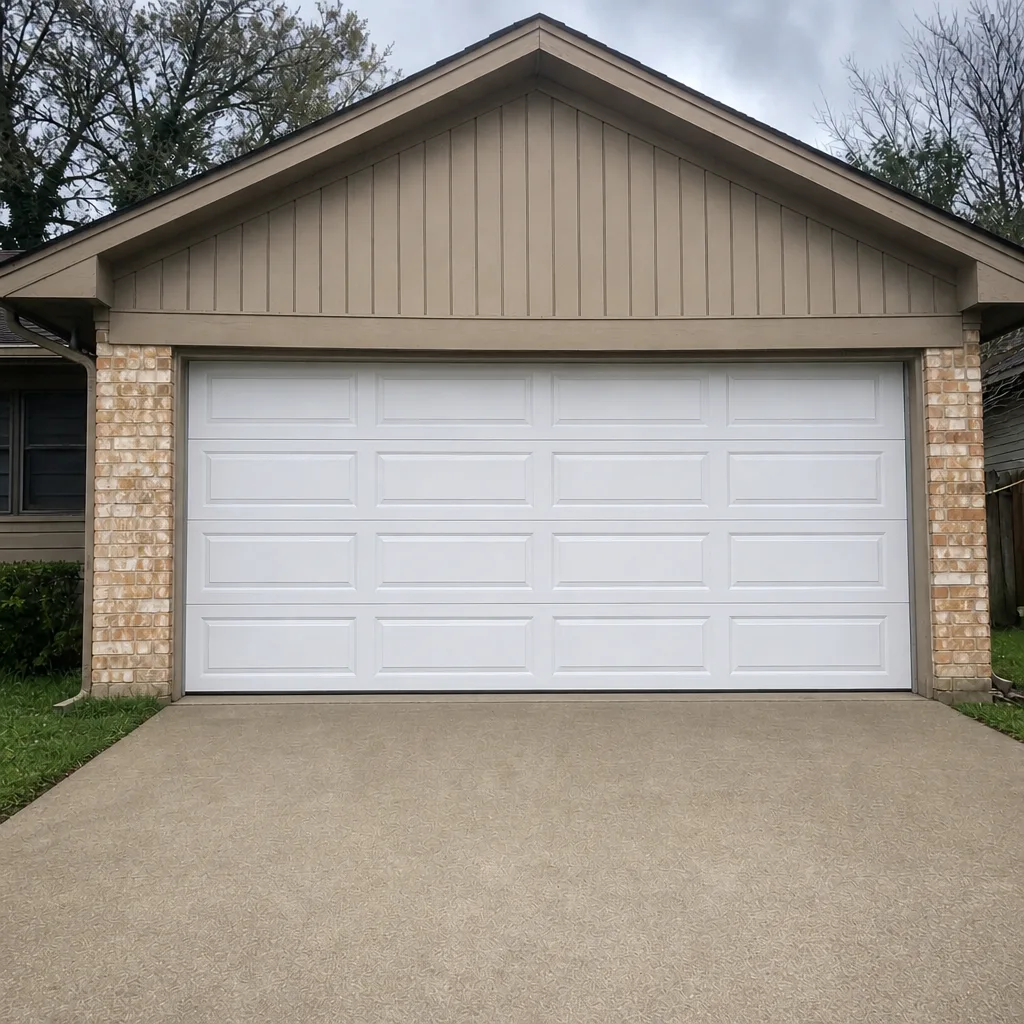 After
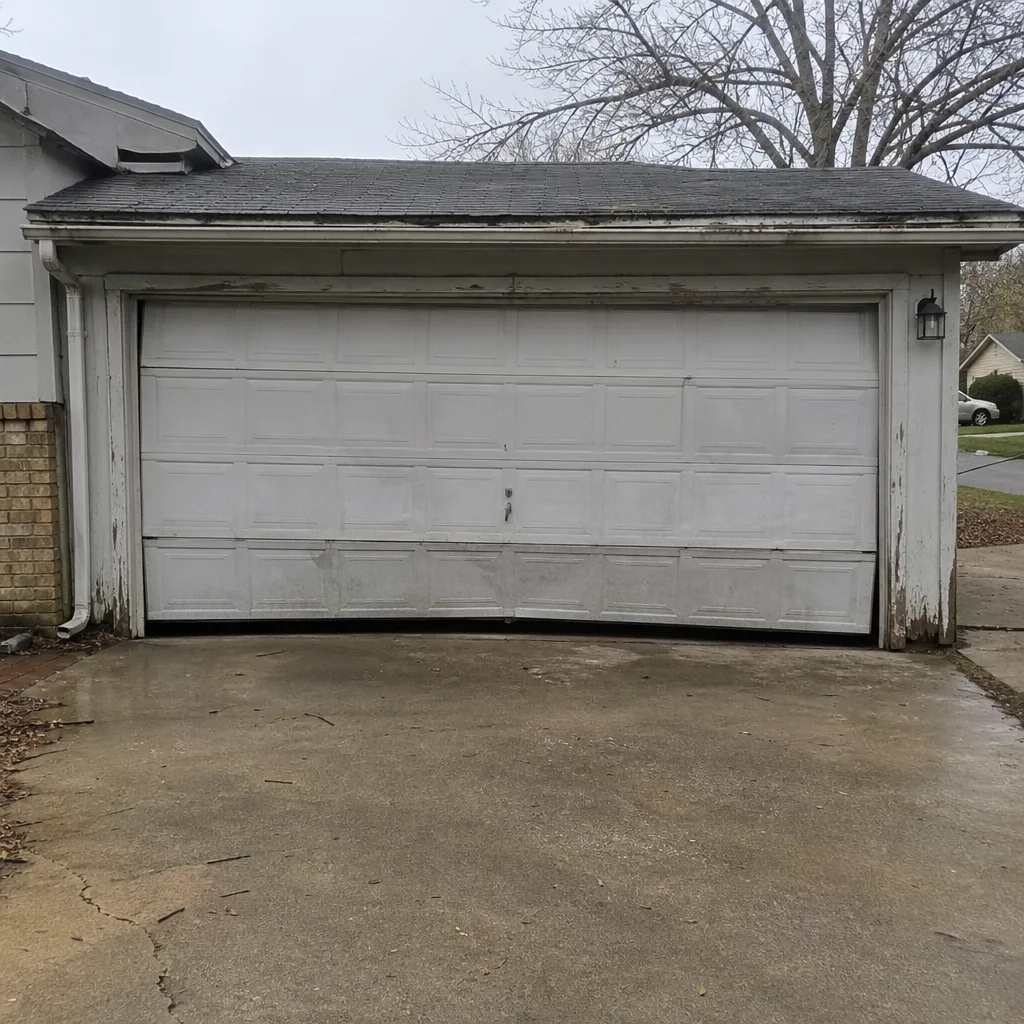 Before
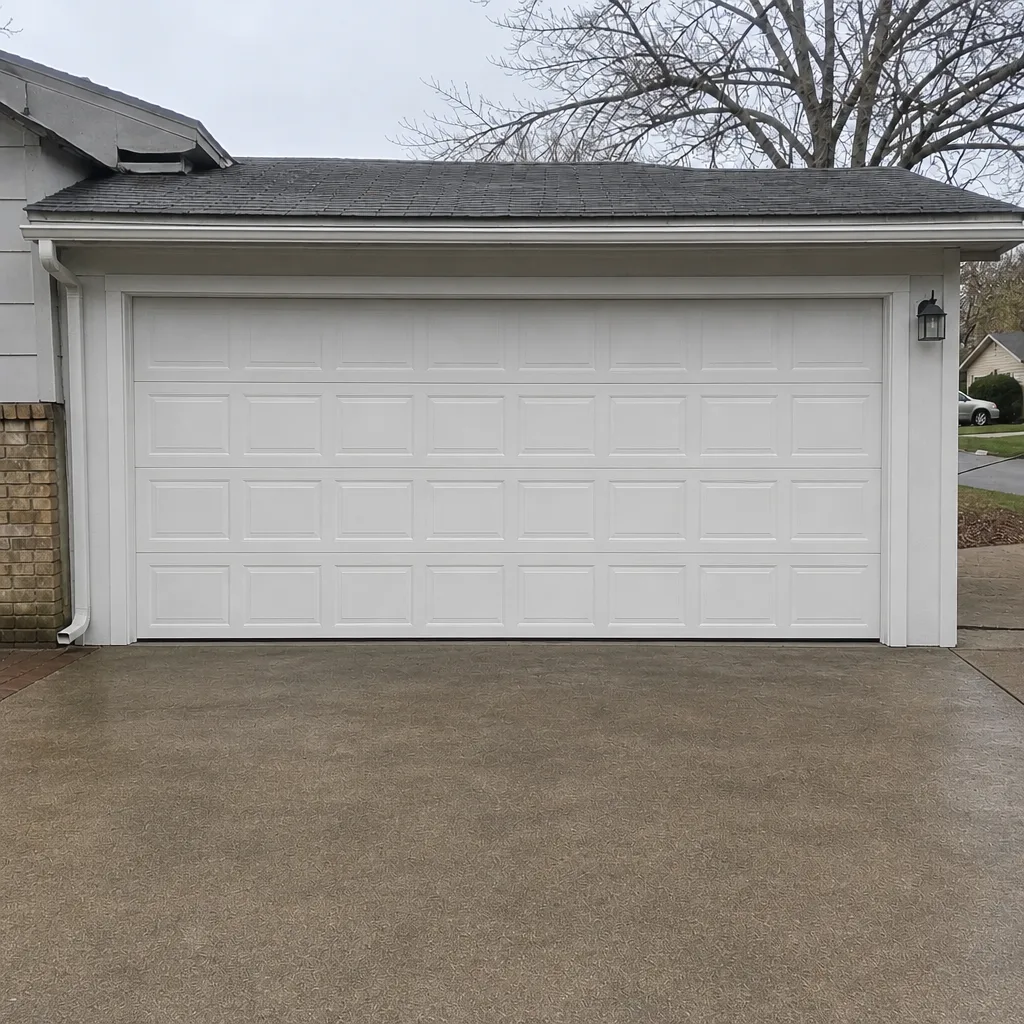 After
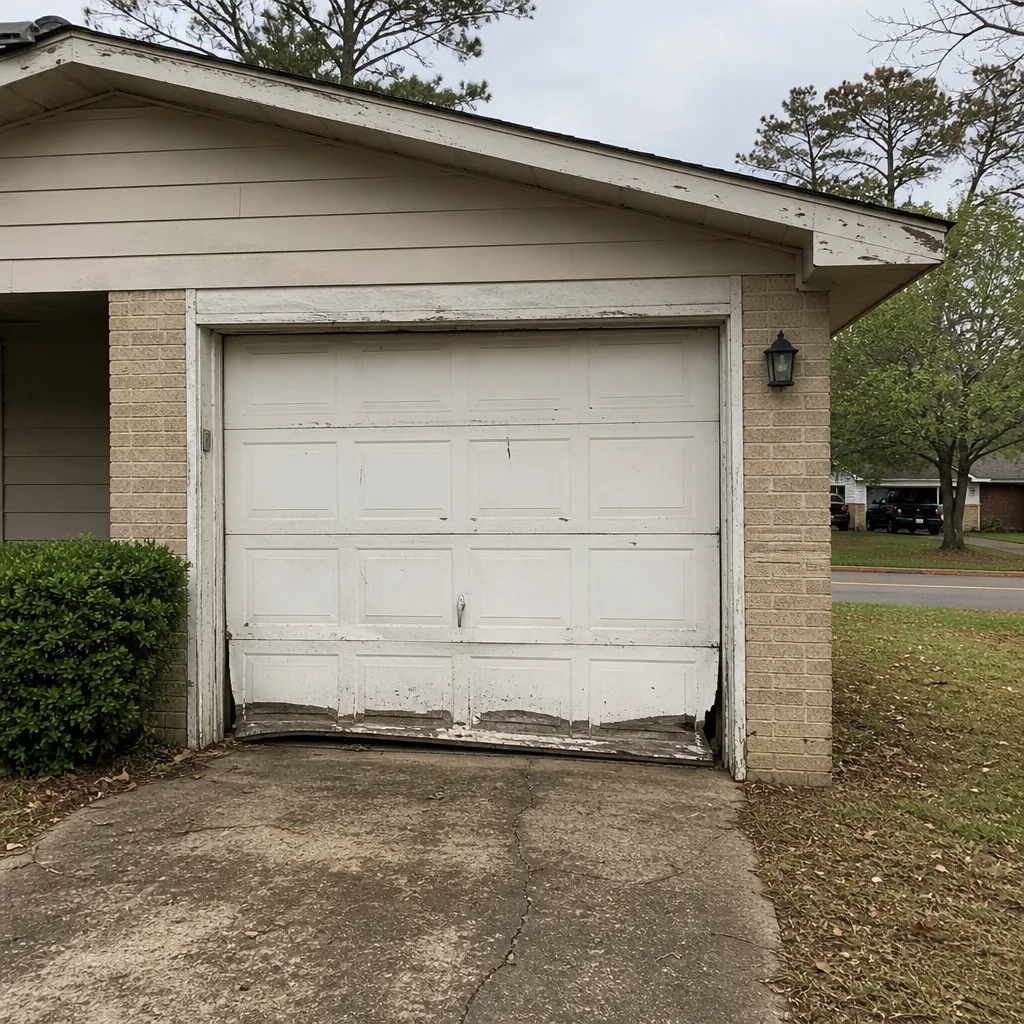 Before
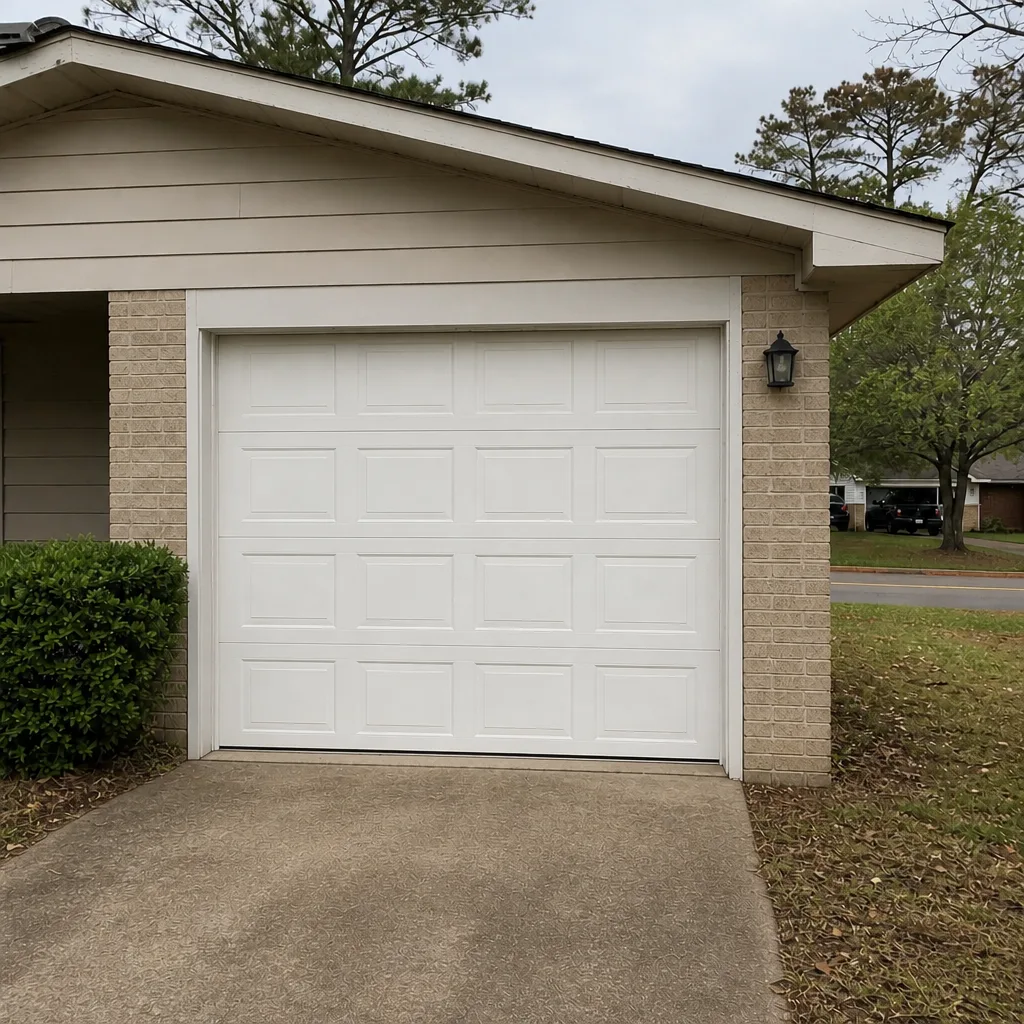 After
When to Call a Professional
Some issues are safe to watch, and some mean stop and call. Call a professional when a spring has broken (you’ll usually hear a loud bang and find the door won’t lift), when the door is crooked or comes off its track, when the opener hums but the door doesn’t move, when a cable looks frayed, or when the door slams down or doesn’t reverse. Any spring or cable problem is a safety issue and shouldn’t be handled with DIY tools. Tyler Garage Door Service offers Tyler homeowners free estimates and written pricing before any work starts. Call (844) 834-2184. We answer 24/7. Fast dispatch from 7am to 7pm, Sunday through Friday.
Frequently Asked Questions
Galvanized steel or a quality wood composite is the best material for Tyler’s humid climate. The zinc coating on galvanized steel resists moisture well, and a good factory finish keeps it durable for years. Wood composites outlast natural wood here because they don’t absorb moisture the same way. Cheap particle-board cores and untreated natural wood are the options to avoid.
Sloped driveways and lots, which are common in many Tyler subdivisions, can cause springs to wear faster when they’re matched to the driveway grade. Heavier doors on sloped drives require more work from the springs, and springs that aren’t sized correctly wear out sooner. East Texas humidity plays a smaller role but adds wear through moisture at the bottom of the door.
For repair calls, same-day service is often possible. We answer 24/7 and dispatch from 7am to 7pm, Sunday through Friday. Installation and replacement are measured, ordered, and scheduled, so those get a free measure and a written price rather than a same-day promise. Call (844) 834-2184 for an exact quote on your repair.
No. The price is quoted and agreed before any work starts, based on a written estimate. When the technician arrives, they diagnose and confirm the work, and the written price sets the final number. If the diagnosis reveals something different, we tell you before anything is done.
We work across eight major brands: LiftMaster, Chamberlain, Genie, Clopay, Amarr, Wayne Dalton, Craftsman, and Raynor. Familiarity with your specific brand shortens diagnosis and helps us fit the right parts. If your system is from one of those lines, we know the common failure points before we arrive.
Repair the door if one component failed and the panels are sound. Replace it if multiple major components are near the end of their life at once, or if the panels have failed from humidity. A written estimate lays out both options so you can decide with facts. Call (844) 834-2184 – estimates are free.
The Bottom Line
Garage doors in Tyler face conditions a generic national guide never accounts for: East Texas humidity, a housing stock that spans four decades of door styles, sloped driveways that stress springs and tracks, and a market where several major brands are all in use. The right approach is material choice that handles the humidity, spring and track sizing that matches your actual lot grade, and a full-system evaluation rather than a single-component fix. Brand familiarity matters as much as fault-finding, and the door and the opener are one system. When something needs fixing or replacing, get a written estimate first. Call (844) 834-2184 for a free estimate in Tyler.
Written by the team at Tyler Garage Door Service.