
Last updated November 16, 2026
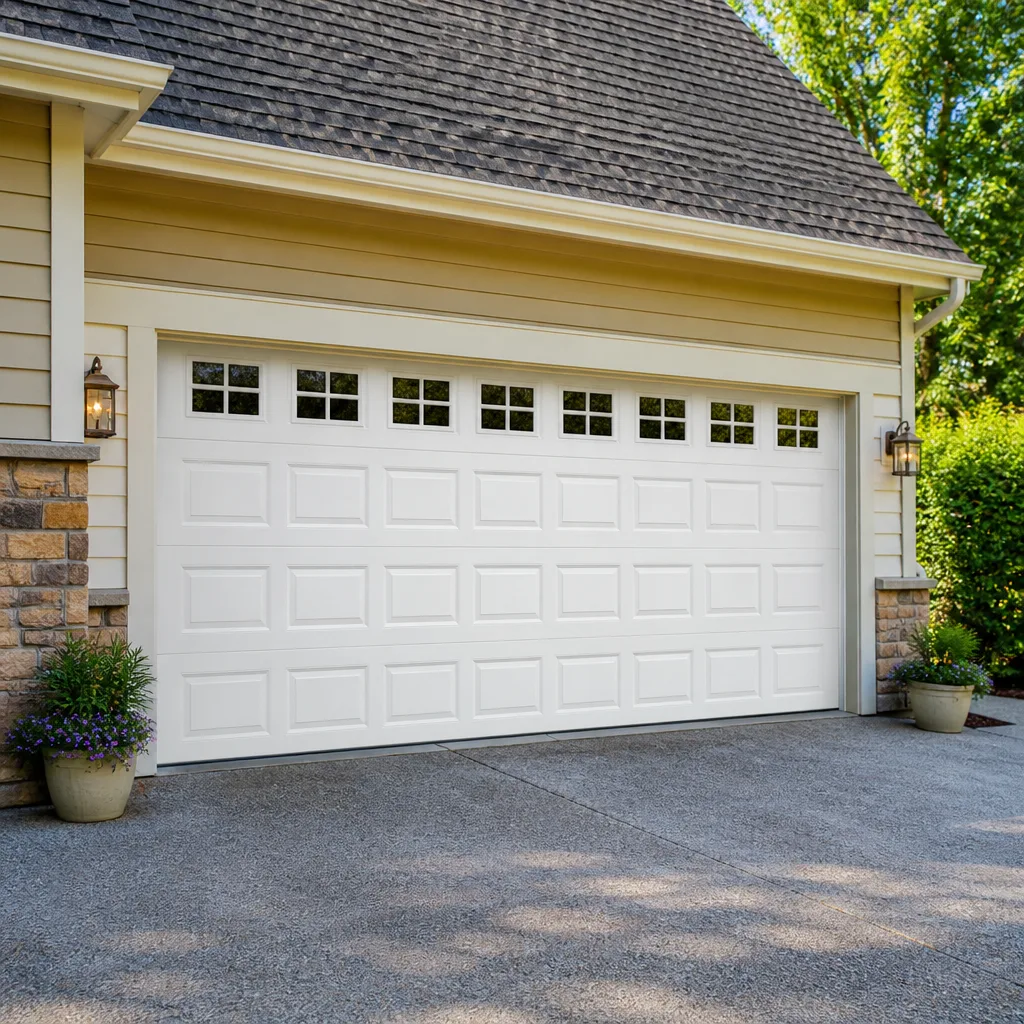 Raised-panel steel
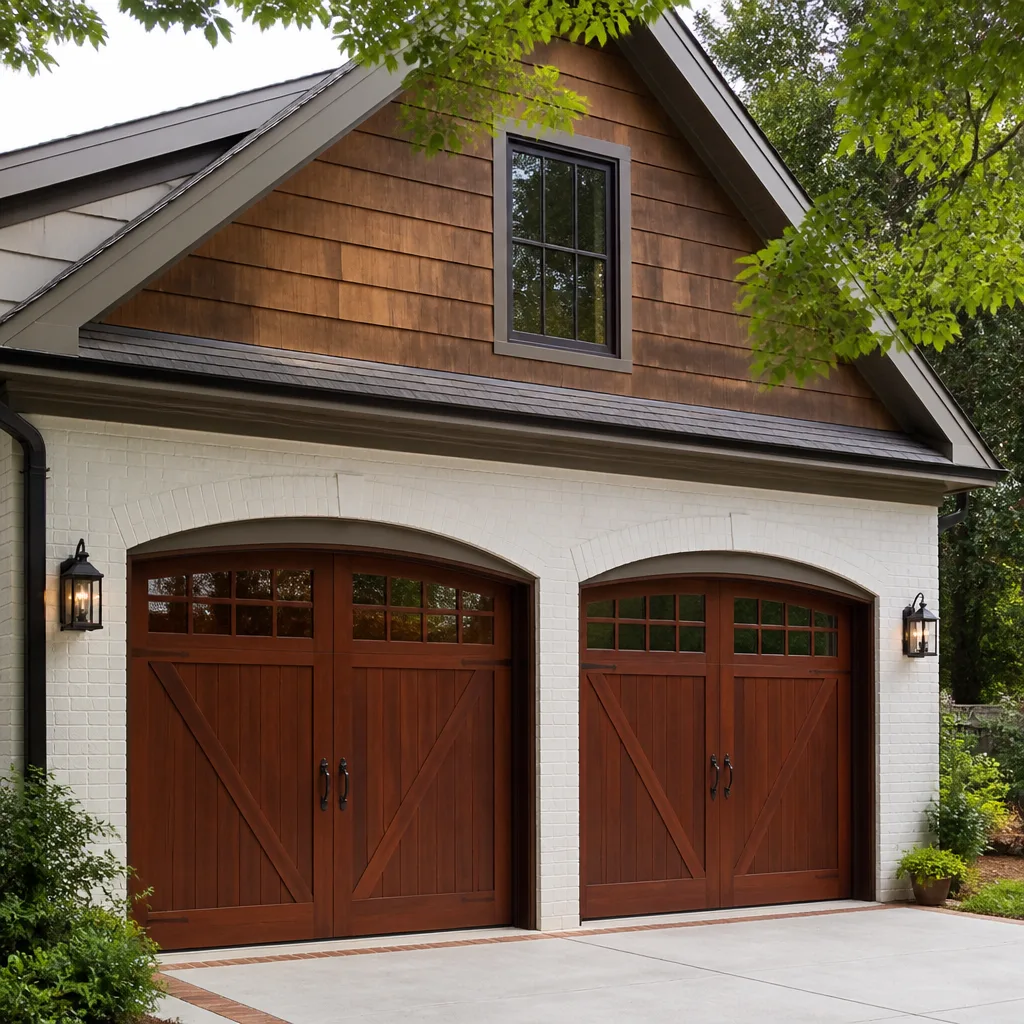 Carriage house
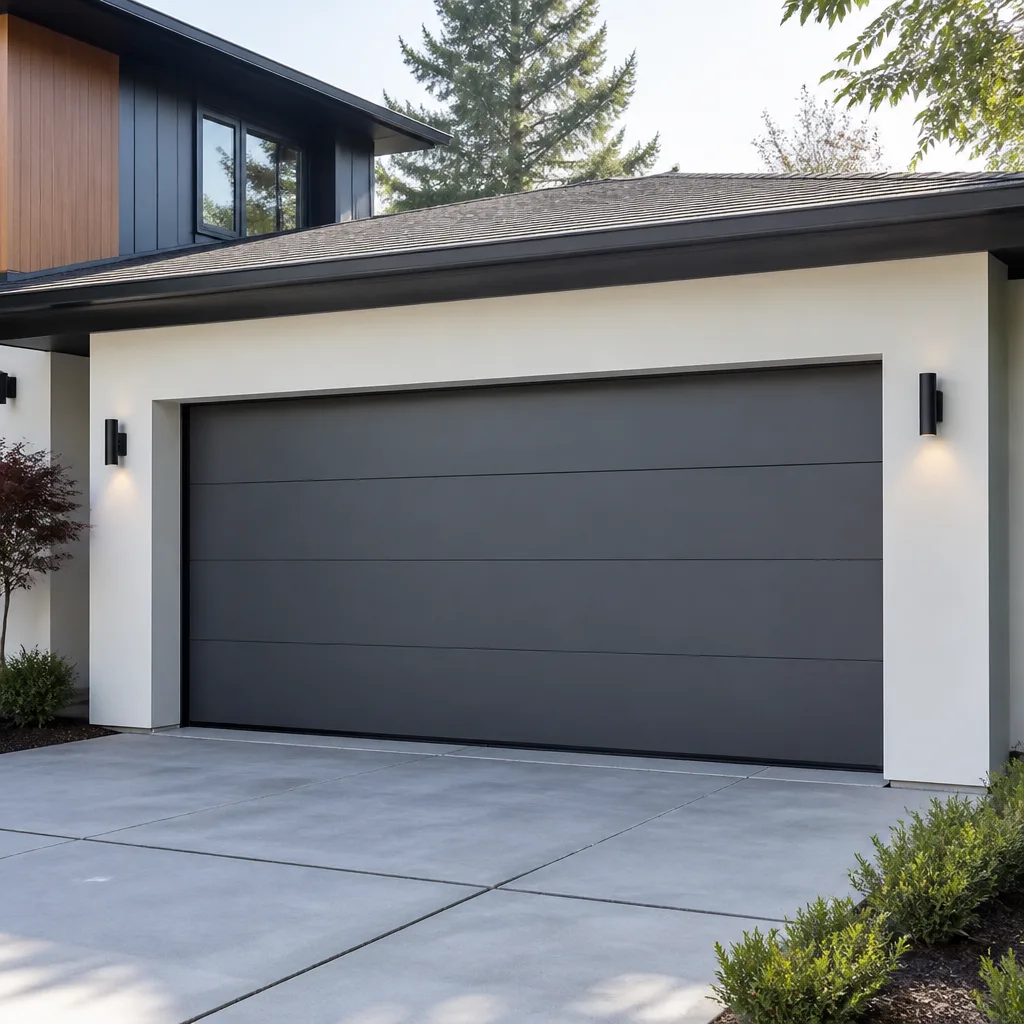 Modern flush
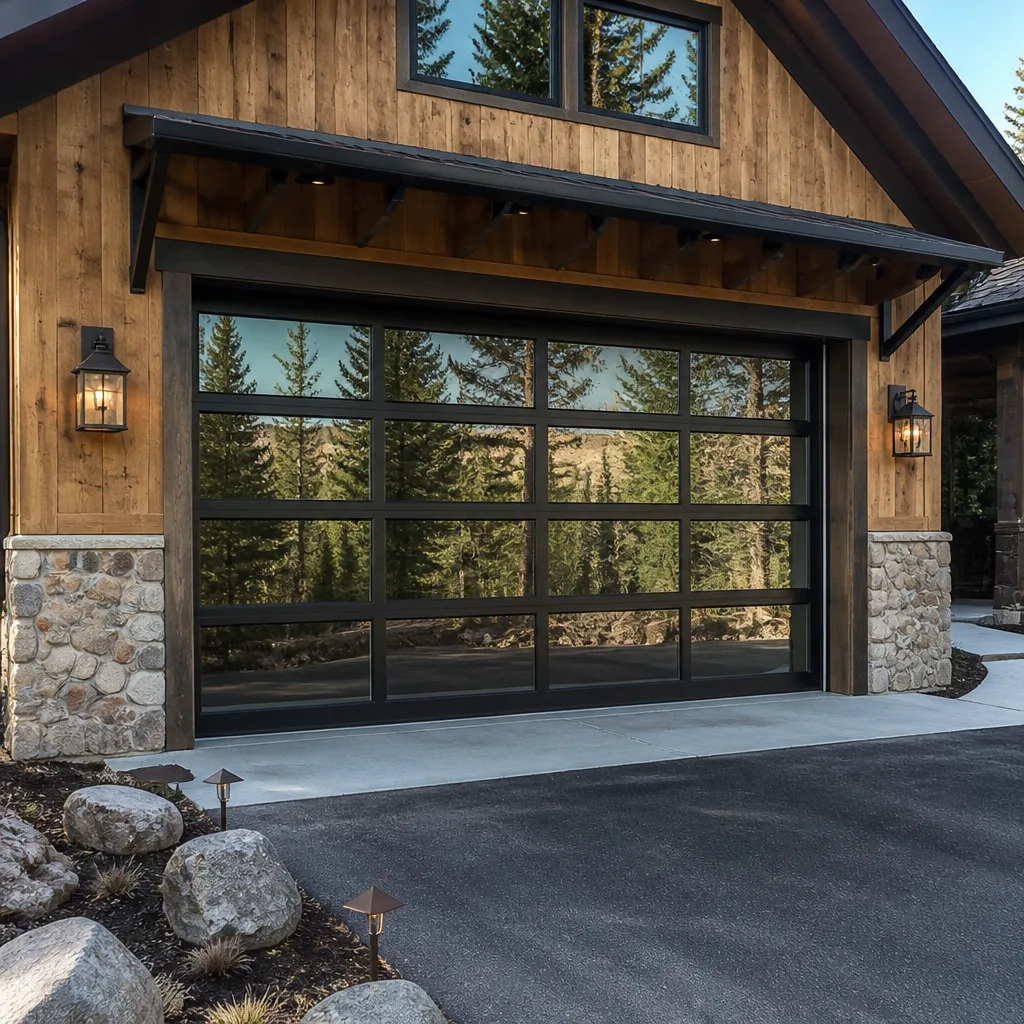 Full-view glass
 LiftMaster openers
 Chamberlain openers
Full 25-point door and opener safety check with every visit - springs, cables, rollers, tracks, and your LiftMaster or Chamberlain opener included
You get a price before we start. It does not change when the pro arrives.
Get your free estimateSeasonal Garage Door Care for Tyler: Year-Round Homeowner’s Guide
Most garage door advice you’ll find online was written for a place with four equal seasons. Tyler doesn’t work that way. What we have is a long, humid stretch from late spring into early fall, a short but sharp freeze window that usually lands in January or February, and two transition periods in between where the weather can’t quite make up its mind. Each of those phases stresses a different part of your door system, and the care that matters in one phase is close to useless in another. A calendar built around Tyler’s real weather pattern beats a generic “lubricate in spring and fall” checklist every time. This guide walks through the whole year, month by month, so you know what to check and when.
Quick Answer
Garage door care in Tyler should follow three seasonal anchors: a pre-freeze inspection before the first hard cold snap (usually late December into January), a storm-season hardware and seal check before spring thunderstorms arrive, and a post-summer inspection in August and September when heat damage to springs, rollers, and opener components becomes visible. Lubrication in East Texas needs a product that holds up to high humidity without attracting grit. If any of that sounds like more than you want to take on yourself, we offer free estimates and can walk the whole system with you.
Styles & brands we work with
- Raised-panel steel
- Carriage house
- Modern flush
- Full-view glass
- LiftMaster openers
- Chamberlain openers
Table of Contents
- Why Tyler’s Weather Doesn’t Give Your Door Four Equal Seasons
- The Pre-Freeze Checklist: What Actually Matters in East Texas
- Spring Storm Readiness: Seals, Brackets and Bottom Weatherstripping
- Summer Heat and Humidity: What It Does to Springs, Lubricant and Hardware
- The Post-Summer Inspection Most Homeowners Skip
- Choosing the Right Lubricant for a Humid Climate
- Your Opener Has a Seasonal Cycle Too
- Brand-Specific Notes for Raynor, LiftMaster, Chamberlain and Genie
Why Tyler’s Weather Doesn’t Give Your Door Four Equal Seasons
If you moved to Tyler from a colder part of the country, you probably expected the door to need less attention here. In some ways that’s true. We don’t deal with the deep, months-long freezes that wreck springs up north. But the mild-winter reputation hides something: a door that sits through a long humid season and then hits a hard freeze gets stressed in a specific way that a door in a cold climate never experiences. The metal has been slowly absorbing moisture and expanding through the warm months. Then February arrives, temperatures drop fast, and marginal springs that were already showing fatigue let go.
That’s the pattern we see again and again. A spring that’s been quietly weakening since the previous summer tends to fail on the coldest morning of the year, which is exactly when you’re already running late and don’t need a door stuck in the up position or the down position. The fix isn’t to panic about winter. It’s to treat the pre-freeze window as a real maintenance deadline, not an optional nicety.
Here’s how the year breaks down for a garage door in Tyler:
- Late spring through early fall (roughly May to October): heat expansion, high humidity, and storm season. This is when lubricant degrades fastest and when weatherstripping takes the most abuse from rain and wind.
- November and December: the transition window. Temperatures swing, condensation forms on cold metal, and this is your last easy chance to inspect before the freeze risk arrives.
- January and February: the freeze window. Short, but the month that breaks garage doors. Springs are the main casualty.
- March and April: storm season arrives, and the door gets tested by wind-driven rain and the debris that follows a system.
Once you see the year this way, the maintenance calendar stops being about “seasons” in the abstract and starts being about specific stress points at specific times. That’s the whole idea. If you’d rather have someone walk the system with you, our Tyler team handles the full inspection and can flag anything that’s about to fail.
The Pre-Freeze Checklist: What Actually Matters in East Texas
Generic winterizing advice is written for places where the ground freezes and snow piles up against the door. None of that applies here. The freeze prep that matters in East Texas is about springs, hinges, and anything that binds when cold metal contracts. The goal is to catch a marginal component before the coldest week arrives, because that’s when it will choose to fail.
Work through this in late December, before the first hard freeze of the year:
- Listen to the door. A spring that’s weakening usually makes noise before it breaks. A sharp pop, a grinding sound, or a door that feels heavier than it used to are all early warnings. Note the sound and where it seems to come from.
- Check the balance. Disconnect the opener (pull the release handle with the door down) and lift the door halfway by hand. It should stay put. If it drops or rises on its own, the springs are out of balance and need attention before cold weather makes it worse.
- Lubricate hinges, rollers and the torsion bar. Cold weather stiffens lubricant that’s already drying out. A light coat on the moving parts helps everything move freely when temperatures drop. We cover product choice further down.
- Inspect the hinges for looseness. Cold metal contracts, and a hinge that was snug in October can work itself loose. Tighten any that feel wobbly. Don’t overtighten a hinge that’s already cracked; replace it.
- Look at the bottom seal. A stiff, cracked seal won’t flex against the floor when the door closes on a cold morning, and that leaves a gap. If the seal is brittle, it’s time to replace it.
These five steps take maybe twenty minutes and catch most of what actually fails in February. What they don’t catch, and what no checklist can, is a spring that’s already past its limit. Springs are under high tension and are the most dangerous component on the whole door. If you see a visible gap in a coil, hear a loud bang from the garage, or the door won’t lift at all, that’s not a DIY situation. Call a trained professional. The springs and cables on a garage door can cause serious injury if handled without the right tools and knowledge, and this is the one part of your door system where we’d never suggest otherwise.
If the balance test or the sound check turns up anything worrying, it’s worth having a technician look before the cold sets in. Our garage door repair service covers exactly this kind of pre-failure diagnosis. Call (844) 834-2184 and we’ll get it checked. We answer 24/7, and fast dispatch runs from 7am to 7pm.
Spring Storm Readiness: Seals, Brackets and Bottom Weatherstripping
March and April bring Tyler’s storm season, and that’s when the door gets tested in a way the winter never tests it. Wind-driven rain, sudden temperature swings, and the debris that follows a strong line of storms all hit the same weak points. Bottom weatherstripping is the usual first casualty; brackets and track alignment are next. This is also the season when the door is most likely to be left open in a downpour, which sends water straight into the opener housing and the track.
Before the first real storm line of the year, do this:
- Run your hand along the bottom seal. It should feel flexible and sit flush against the floor all the way across. A seal that’s cracked, curled, or hard to the touch will let water in and let conditioned air out.
- Check the side weatherstripping. The strips that run down each side of the frame are easy to forget. Look for gaps at the corners, which is where rain gets in first.
- Inspect the brackets that hold the track to the wall. Give each one a light push. A loose bracket lets the track shift, and a shifted track makes the door bind and wear unevenly. Tighten anything that moves.
- Clear debris from the track. Storm season drops leaves, twigs, and grit into the track. That’s not cosmetic; grit grinds down rollers fast. A quick sweep with a brush keeps the track clean.
- Test the safety reverse. Put a piece of wood flat on the floor in the door’s path and close it. The door should reverse on contact. This is a safety feature, and it’s worth confirming it works before storm season, not after.
If the door reverses on its own or stops halfway during storm season, that’s often the safety sensor or the opener’s travel limits, not the door itself. Our garage door opener repair service handles those diagnostics, and it’s worth knowing the difference so you’re not replacing parts you don’t need.
One thing that catches homeowners off guard after a storm: the door starts sticking or squealing in the days that follow. That’s usually grit and moisture in the track, not a failed component. Clean the track and lubricate the moving parts before assuming something broke.
Summer Heat and Humidity: What It Does to Springs, Lubricant and Hardware
The long humid stretch is where most of the wear happens. Heat expands metal, and a metal door expands more than the frame around it, which is why doors sometimes need adjustment in July and August. Humidity works differently: it degrades lubricant and lets grit stick to moving parts that should stay clean. That combination, heat and humidity together, is why the post-summer inspection matters as much as the pre-freeze one.
Summer stress points, in plain terms:
- Springs. Metal under constant tension plus heat expansion plus a long season of use adds up to fatigue. A spring that’s been on the door for years will slowly lose tension through the summer and give you a door that feels heavy in the fall. That heaviness is the warning.
- Lubricant. A lubricant that worked in a dry climate can turn gummy in Tyler’s summer humidity. Gummy lubricant attracts grit, and grit on the rollers and hinges turns a smooth door into a noisy one. This is the single biggest difference between generic maintenance advice and what actually works here.
- Rollers. Grit plus heat plus a long season of use means rollers wear faster than you’d expect. Listen for a rumble or a grind; that’s the rollers telling you they’re done.
- Weatherstripping. Summer heat and sun break down rubber and vinyl faster than cold. A seal that looked fine in April can be cracked and stiff by August.
If the door starts feeling heavier as the summer goes on, that’s the balance test again. It doesn’t take long, and it tells you far more than a visual inspection. Springs still need a professional when they’re the problem, but the balance test is safe to run yourself and gives you a real answer instead of a guess.
The Post-Summer Inspection Most Homeowners Skip
This is the one that gets skipped. Once summer’s over and the door still works, there’s no obvious reason to look at it. But August and September are exactly when heat damage becomes visible, and it’s visible because the door has just come through the season that stresses hardware the most. What you find now is what would have failed in February. Catching it in September is a repair; catching it in a cold snap is an emergency.
Walk the door in late August or early September with these checks:
- Look at the springs. A spring that’s showing a visible gap, or that looks stretched compared to how it looked earlier, needs a professional’s eye. Don’t touch it. Just note what you see.
- Test the balance again. Disconnect the opener and lift the door halfway by hand. After a full summer of use, this is the check that tells you the most.
- Run the door and listen. A door that was quiet in May and rumbles in September is telling you the rollers or the lubricant are the problem, not the springs.
- Check the bottom seal for heat cracking. Look for small cracks and a stiff feel. Replace it before fall rain and winter cold make it a draft problem.
- Look at the opener’s moving parts. The gear, the chain or belt, and the rail all need a look after a summer of daily use. Our repair service can tell you whether the opener needs service or replacement.
The point of the post-summer inspection isn’t to find something to fix. It’s to know where the door stands going into the season that will test it hardest. If everything checks out, you’ve bought yourself a quiet, predictable winter. If something is marginal, you’ve given yourself time to handle it on your schedule rather than on a cold morning.
Choosing the Right Lubricant for a Humid Climate
This is where generic advice gets people in trouble in East Texas. A product that works fine in dry air can turn sticky in Tyler’s summer humidity, and sticky lubricant is worse than no lubricant at all because it holds grit against the moving parts. The goal is a lubricant that stays where you put it, doesn’t run when it’s hot, and doesn’t thicken when it’s cold.
What works and what doesn’t in a humid climate:
- White lithium grease is a reasonable choice for hinges and the torsion bar. It holds up to moisture and doesn’t run. Apply it lightly; a thin coat is enough. Too much attracts grit.
- Silicone spray works well on the weatherstripping and the bottom seal. It keeps rubber supple without leaving a sticky residue.
- Chain lubricant is for the opener chain, not the door. Use a product made for the chain and keep it off the door’s moving parts.
- WD-40 as a general-purpose spray is not the right choice. It’s a light solvent, not a lasting lubricant, and it can strip the existing grease off the parts that need it. If that’s what you’ve been using, you’re probably making the door noisier, not quieter.
- Heavy grease of the kind used on cars and farm equipment is too thick for a garage door in this climate. It holds grit and stiffens in cold weather.
The actual application matters as much as the product. A thin, even coat on the hinges, rollers, and torsion bar once in the spring and once in the fall covers most of the year. In Tyler’s humidity, checking the lubricant again in mid-summer is worth the ten minutes. If it’s turned gummy, wipe it off and reapply rather than adding a fresh coat on top. And keep lubricant off the track; the track is meant to stay clean, not greasy.
We keep product choice simple because the door doesn’t need more than that. Garage doors are all we do, so we’ve seen what holds up across the full range of systems and what doesn’t. If you’re not sure what’s on your door right now, that’s a good question to bring up when you call (844) 834-2184.
Your Opener Has a Seasonal Cycle Too
The door and the opener are one system, and they age together. A season that stresses the door stresses the opener too: summer heat and humidity wear on the opener’s internal parts the same way they wear on the door’s hardware, and the freeze window tests the opener’s ability to lift a door whose springs are stiffer than usual. Treating them as two separate service calls is how people end up replacing an opener that was fine, or nursing a door that’s fighting a dying opener.
Season by season, here’s what to watch on the opener:
- Spring: test the safety reverse and the travel limits. Storm season gets the most use out of the opener, and a sensor that’s slightly out of alignment will stop the door halfway on the first rainy day.
- Summer: listen for a change in the sound. A chain or belt that’s loose or a gear that’s wearing will sound different in July than it did in May. Heat makes the opener work harder, and a door that’s gotten heavy over the summer makes it work harder still.
- Fall: check the battery in the wall control, if it has one, and the remote batteries. This is also a good time to look at the opener’s rail for wear.
- Winter: the freeze window is when the opener is asked to lift a door it might not be rated to lift if the springs are marginal. If the door feels heavy by hand, the opener is straining to lift it, and that’s a repair that needs to happen before something burns out.
A door that lifts easily by hand takes pressure off the opener all year. That’s why the balance test keeps showing up in this guide: it’s the single check that tells you the most about both the door and the opener at once. We handle the full system in one visit, which is how Tyler Garage Door Service approaches every call. Your door and your opener, handled together, is the right way to look at it.
Brand-Specific Notes for Raynor, LiftMaster, Chamberlain and Genie
Different systems wear in different ways, and knowing the brand tells you what to expect. That’s part of why we focus on the major manufacturers: we arrive already familiar with the specific quirks of the brand on your door, not looking it up on the spot.
A few seasonal notes by brand:
- Raynor doors and openers tend to hold up well in humid climates, but the opener’s internal components still benefit from the pre-freeze check. If you’ve got a Raynor system, the travel limits and safety reverse are worth testing before the storms and again before the freeze.
- LiftMaster openers with the newer battery backup and smart features need the electronic side checked, not just the mechanical side. A power blip during storm season can throw the travel limits, and that’s easy to reset once you know what to look for.
- Chamberlain openers share a lot with LiftMaster, and the same travel-limit check applies. The chain drive models, in particular, want the chain tension checked going into storm season.
- Genie openers often use a screw drive, and the screw needs a different lubricant than a chain. Using a chain lubricant on a screw drive is a common mistake, and it’s exactly the kind of thing brand familiarity catches.
These notes are general, not a substitute for looking at your actual system. The brand tells us what to check first; the door tells us the rest. If you’re not sure what brand you have, that’s fine too. We work on virtually any residential system regardless of brand or age, and we’ve handled Clopay, Amarr, and Wayne Dalton doors alongside the openers above.
Common Mistakes to Avoid
- Using WD-40 as a lubricant. It’s a solvent, not a lasting lubricant, and in Tyler’s humidity it can leave parts drier than they started. Use a product made for the job: white lithium for hinges, silicone for seals.
- Skipping the pre-freeze check because the winters are mild. That’s the trap. A door that’s been quietly weakening since summer will find the coldest morning to fail. The check takes twenty minutes.
- Ignoring a rumble or a squeal as “just an old door.” That noise is grit on the rollers or a lubricant problem, and it wears parts faster than they should. Address it in the fall, not the following summer.
- Letting grit build up in the track. Tyler’s storm season drops debris into the track every year, and grit grinds down rollers. A brush and a few minutes keep the track clean.
- Replacing an opener when the door is the problem. A heavy door that strains the opener isn’t an opener problem; it’s a spring or balance problem. Replacing the opener without fixing the door just wears out the new opener.
- Touching the springs. This is the one mistake that can actually hurt you. Springs are under high tension. If you see a gap, a broken coil, or a door that won’t lift, call a professional.
- Never checking the balance. The balance test is safe, quick, and tells you more about the door’s condition than anything else you can do yourself. Skipping it means guessing.
See the difference
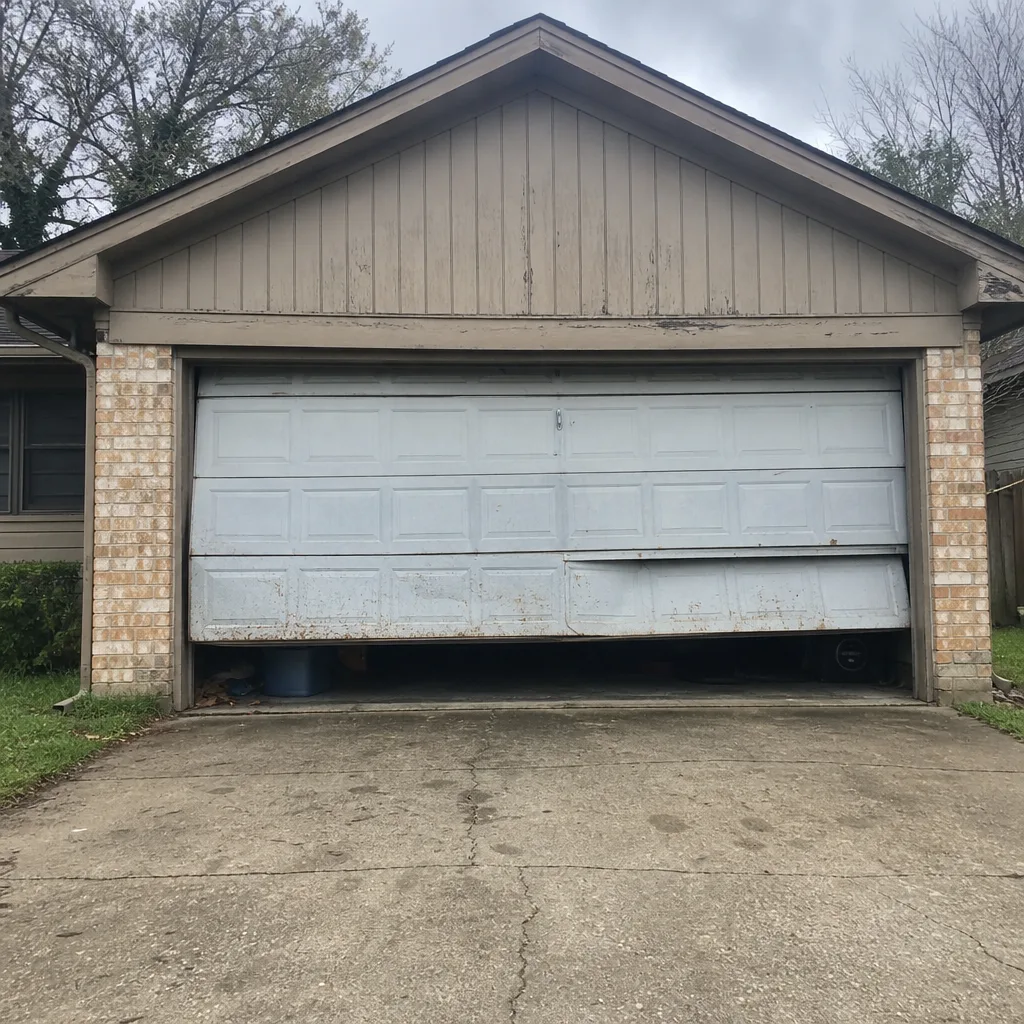 Before
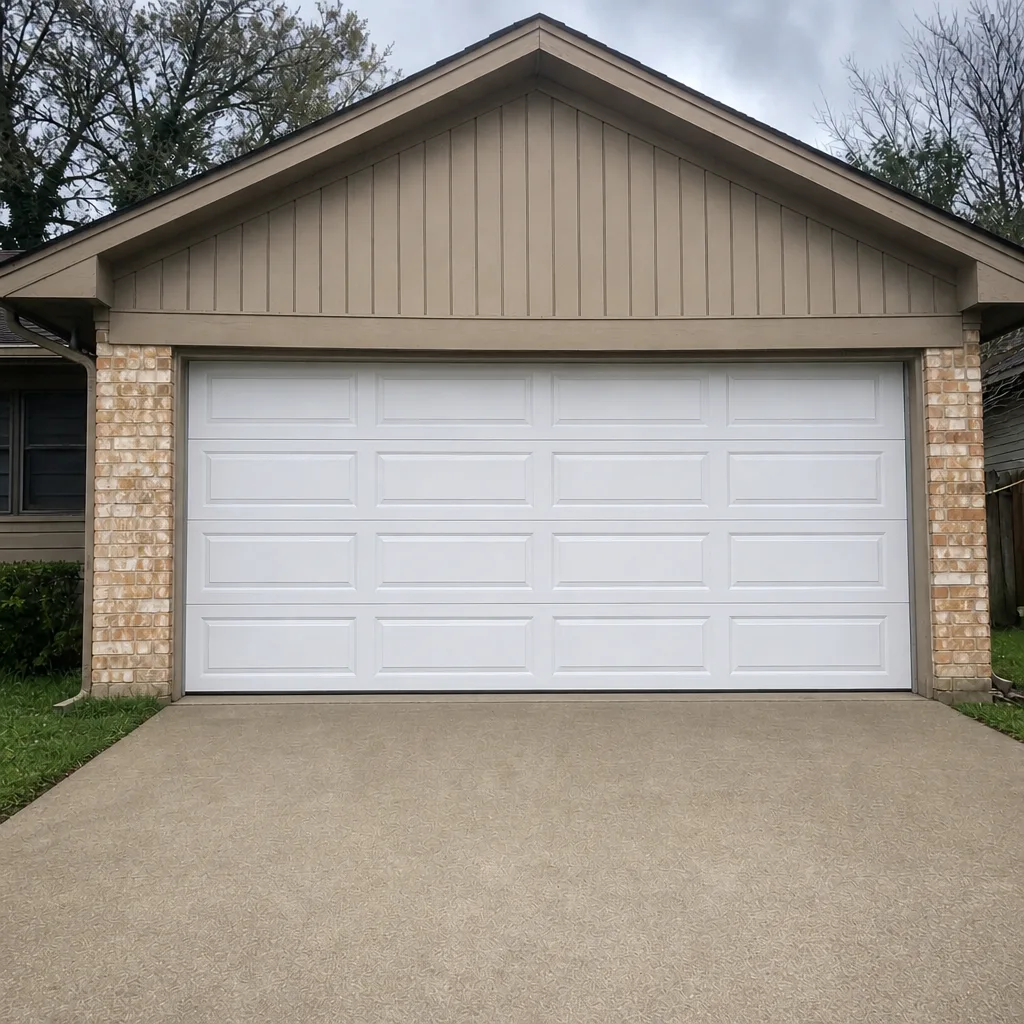 After
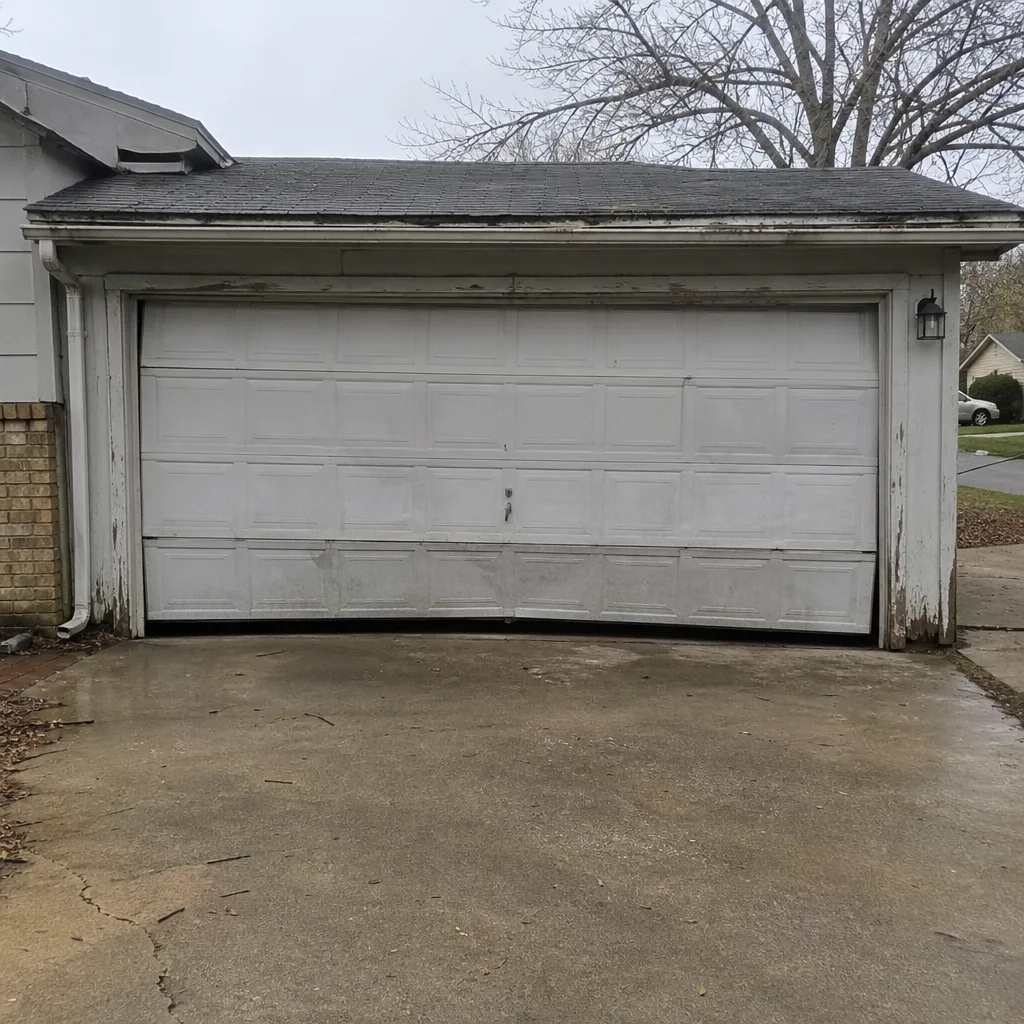 Before
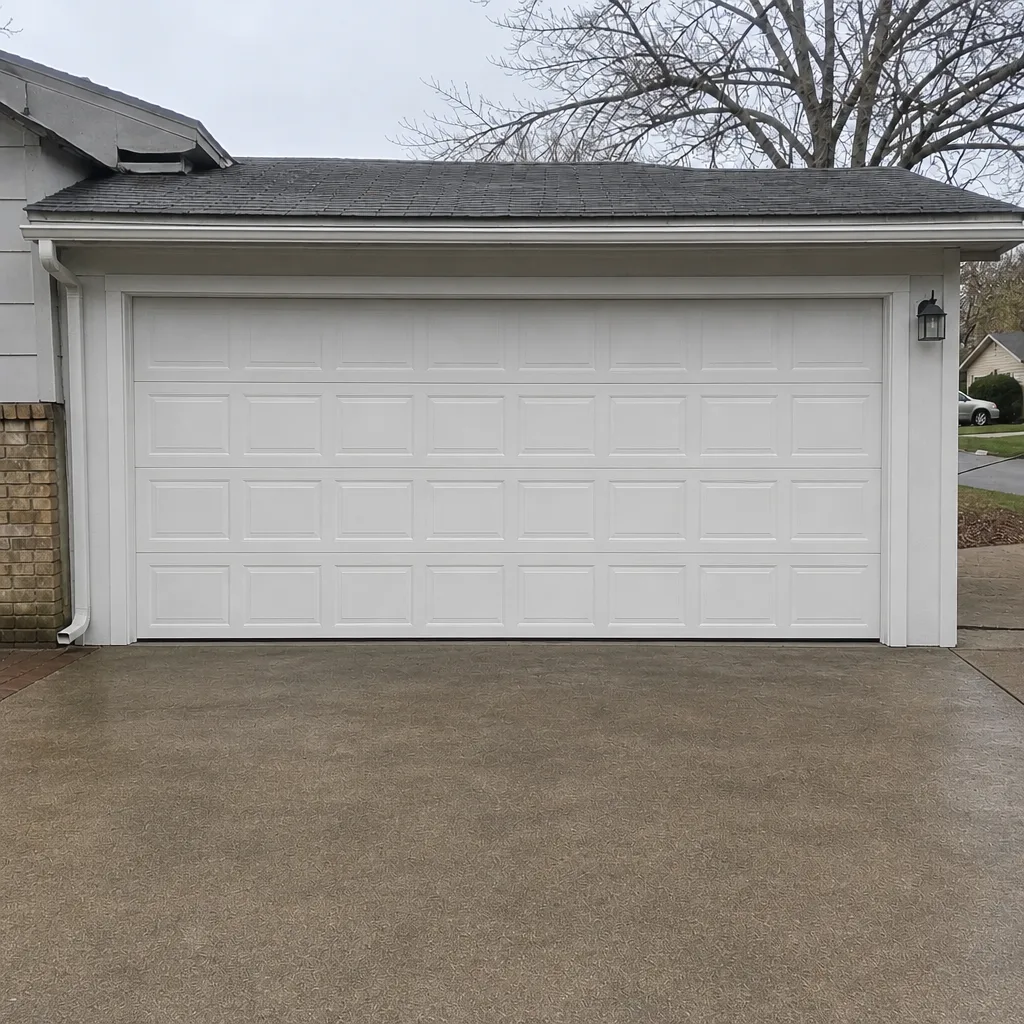 After
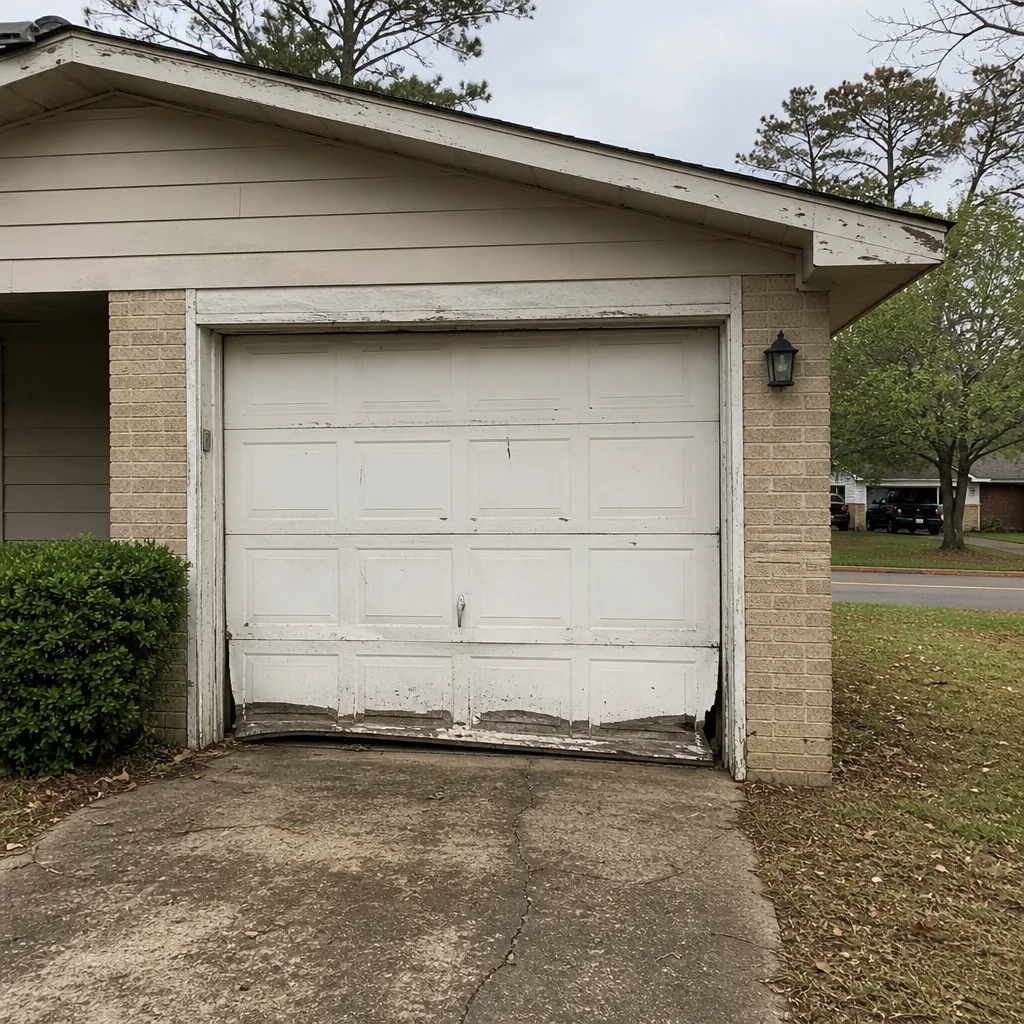 Before
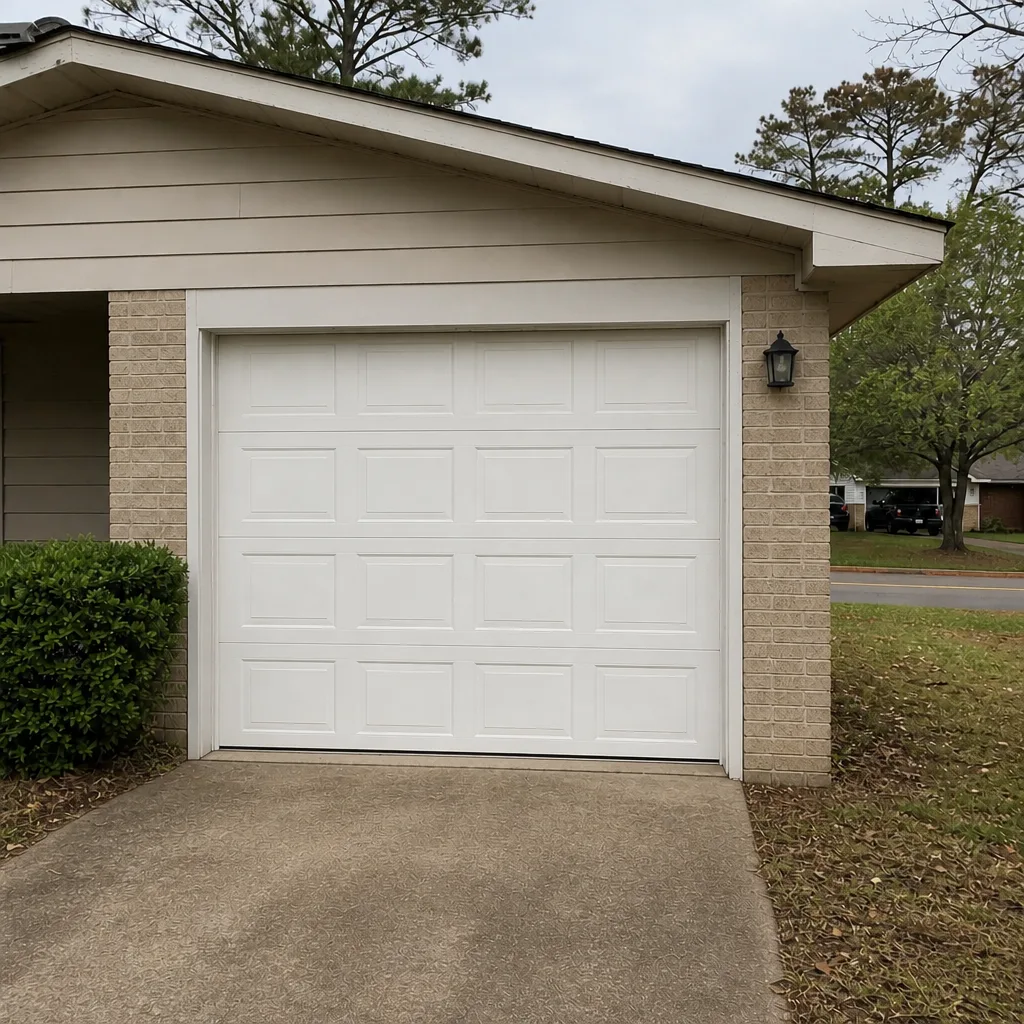 After
When to Call a Professional
Some seasonal care you can handle yourself: cleaning the track, checking the seal, listening for changes, testing the balance. Some of it needs a trained eye. Call us if you hear a sharp pop from the garage, if the door won’t lift or feels heavy by hand, if the door reverses on its own, if a spring shows a visible gap, or if the opener strains or stops mid-travel. These are the situations where a professional visit saves money and, in the case of springs, keeps you safe. We offer free estimates in Tyler, our technicians have up to 8 years of experience, and we work on your brand across the full range of major systems. Call (844) 834-2184. We answer 24/7, and fast dispatch runs from 7am to 7pm, Sunday through Friday. A call outside those hours is booked into the next opening.
Frequently Asked Questions
Twice a year at a minimum: once before the freeze window in late December, and once after the summer heat in August or September. Tyler’s long humid stretch means the lid on lubricant degrades faster than generic advice assumes, so a mid-summer check of the moving parts is worth adding. The post-summer inspection is the one most homeowners skip, and it’s the one that catches problems before winter tests them.
Because a spring that’s been slowly weakening through the warm, humid months finally meets a hard freeze. The metal has been expanding through the summer and then contracts fast when the cold arrives, and a marginal spring lets go on the coldest morning of the year. It’s not that February is harsh here; it’s that the months leading up to it did the damage. Call (844) 834-2184 for an exact quote on a replacement spring before the cold sets in; estimates are free.
White lithium grease for hinges and the torsion bar, and silicone spray for the weatherstripping and bottom seal. Both hold up to humidity without turning sticky. Avoid WD-40 as a general spray, since it’s a solvent rather than a lasting lubricant, and avoid heavy automotive grease, which holds grit in this climate. Apply a thin coat twice a year rather than adding more on top of old product.
No, and we’d strongly advise against it. Garage door springs are under high tension and are the most dangerous component on the door. A spring or cable that releases unexpectedly can cause serious injury. Leave this one to a trained professional. If you see a gap in a coil, hear a sharp pop, or the door won’t lift at all, call (844) 834-2184.
The price is quoted and agreed before any work starts. We give you a written estimate based on what the system actually needs, and the written estimate sets the final price. There’s no separate diagnostic or trip charge beyond that. Call (844) 834-2184 for an exact quote; estimates are free.
Yes, the technicians we connect you with are insured and bonded. Our team focuses only on garage doors, not general handyman work, so they arrive familiar with the major brands and the specific quirks of your system. Our technicians have up to 8 years of experience. Call (844) 834-2184 with questions about your door or opener.
The Bottom Line
Tyler’s garage door care calendar comes down to three anchors: a pre-freeze inspection before January, a storm-season check before the spring lines arrive, and a post-summer inspection in August or September that most homeowners skip. The pre-freeze check catches marginal springs before the cold breaks them. The spring check catches worn seals and loose brackets before storm season tests them. The post-summer inspection catches heat damage while it’s still a repair. Between those three, the balance test is the check that tells you the most, and the right lubricant, chosen for humidity, keeps the door quiet all year. If anything feels off, the fix is a phone call, not a guess. We’re the team at Tyler Garage Door Service, and garage doors are all we do.
Call (844) 834-2184 for a free estimate. We answer 24/7. Fast dispatch from 7am to 7pm, Sunday through Friday.
Written by the team at Tyler Garage Door Service.