
Last updated November 16, 2026
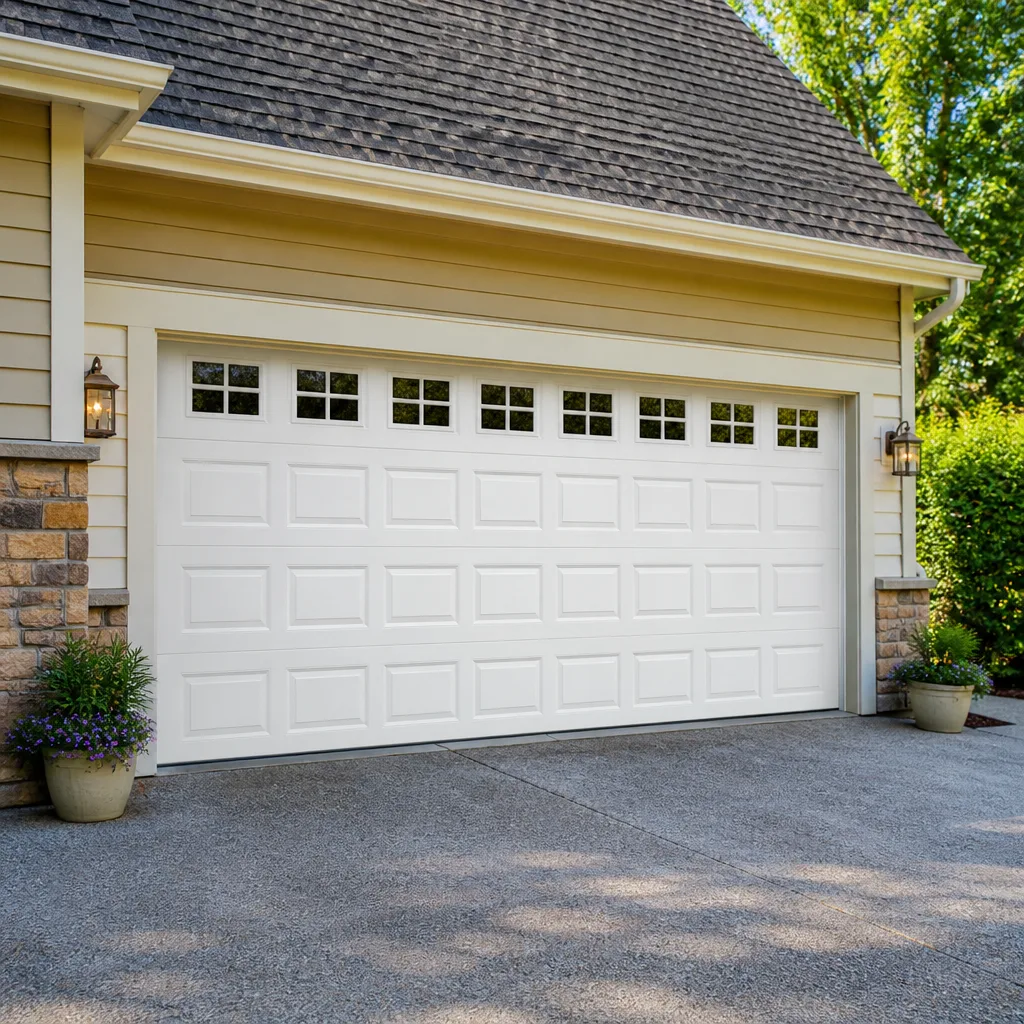 Raised-panel steel
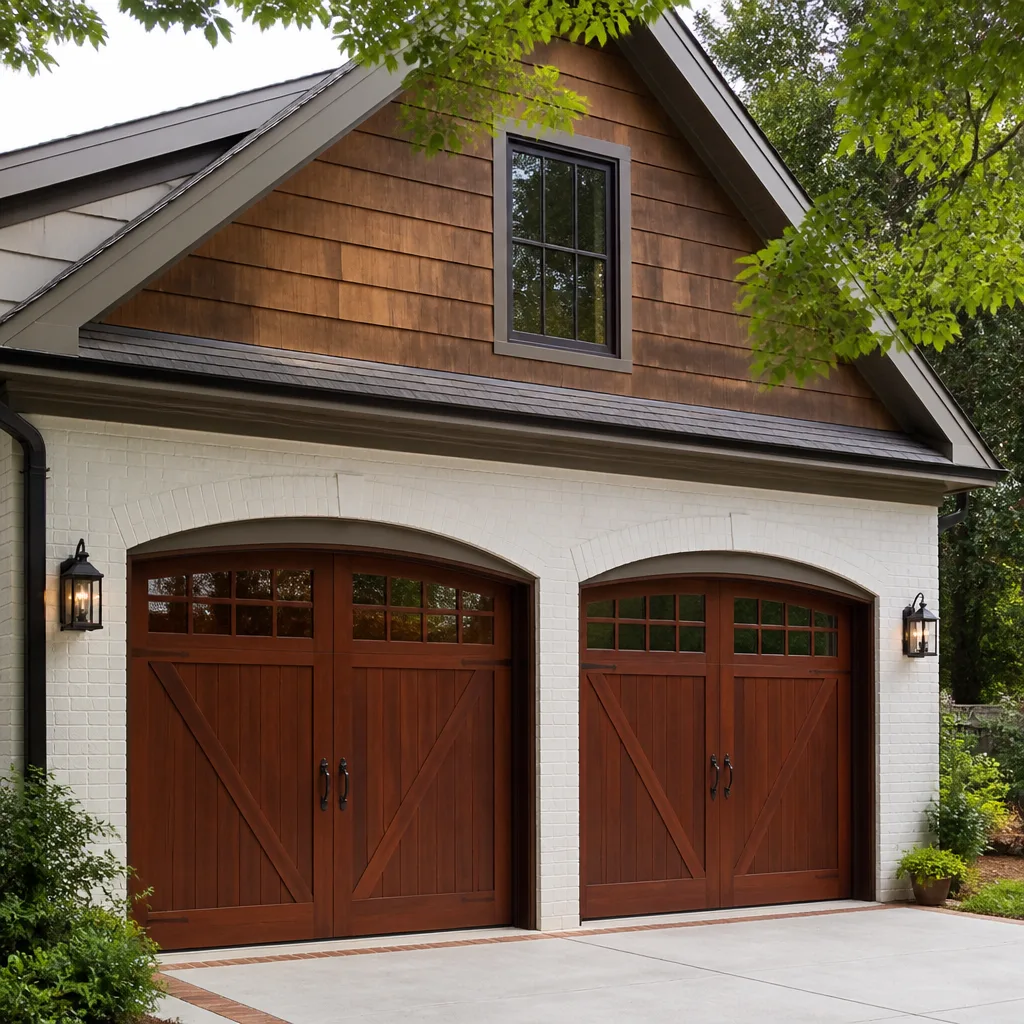 Carriage house
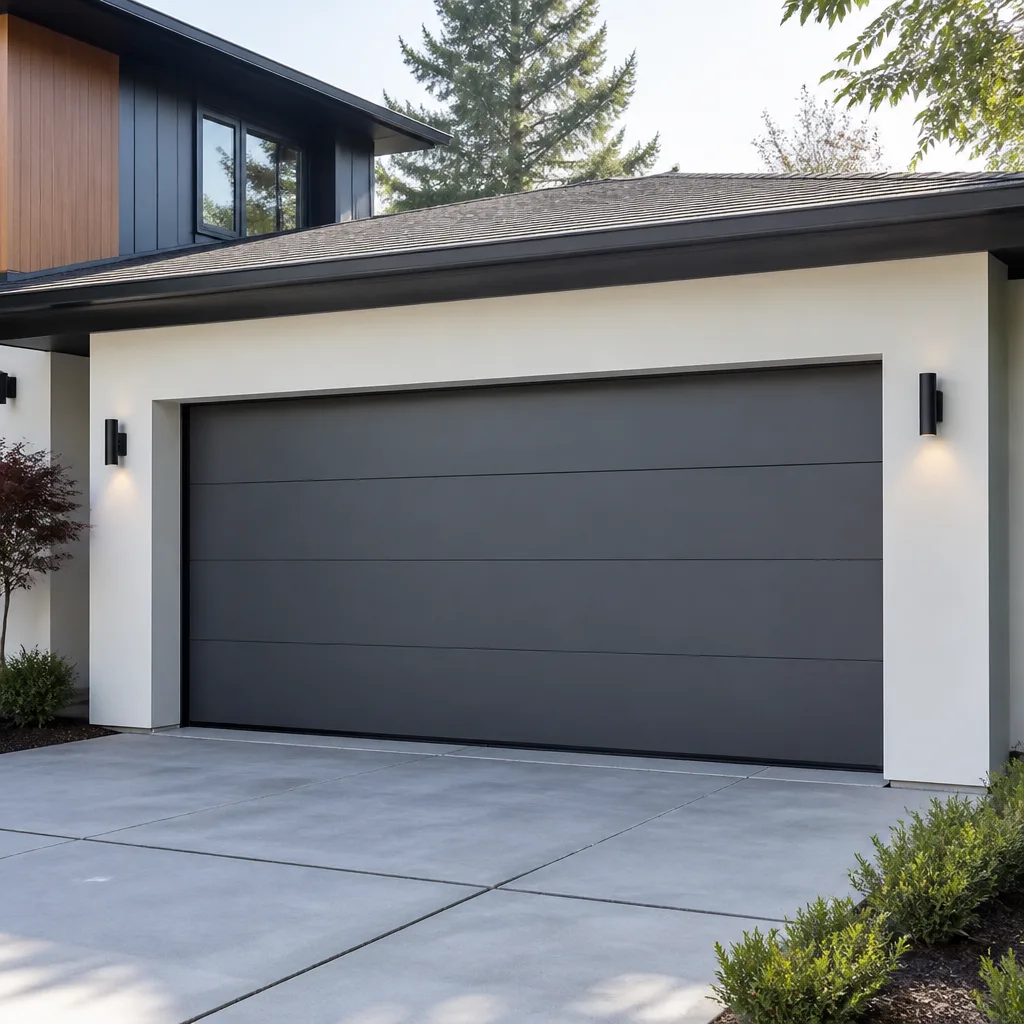 Modern flush
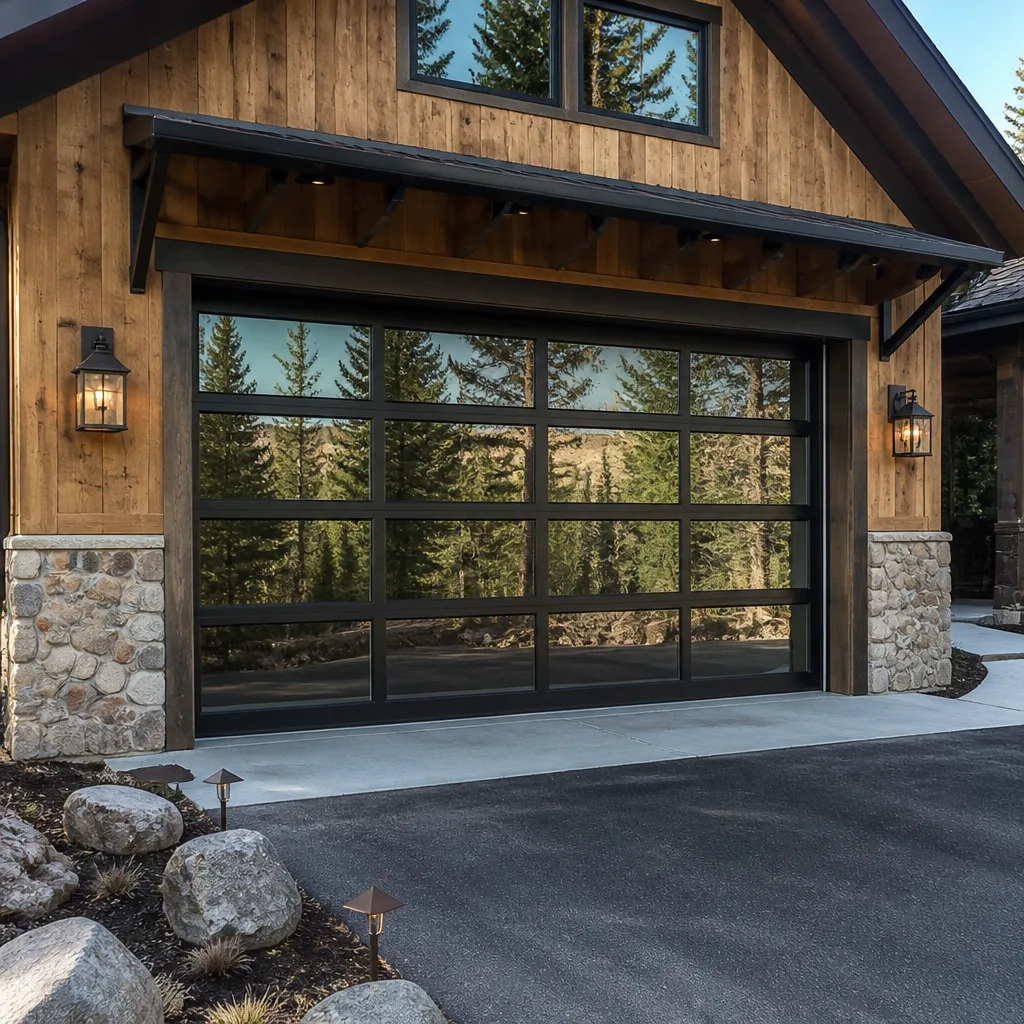 Full-view glass
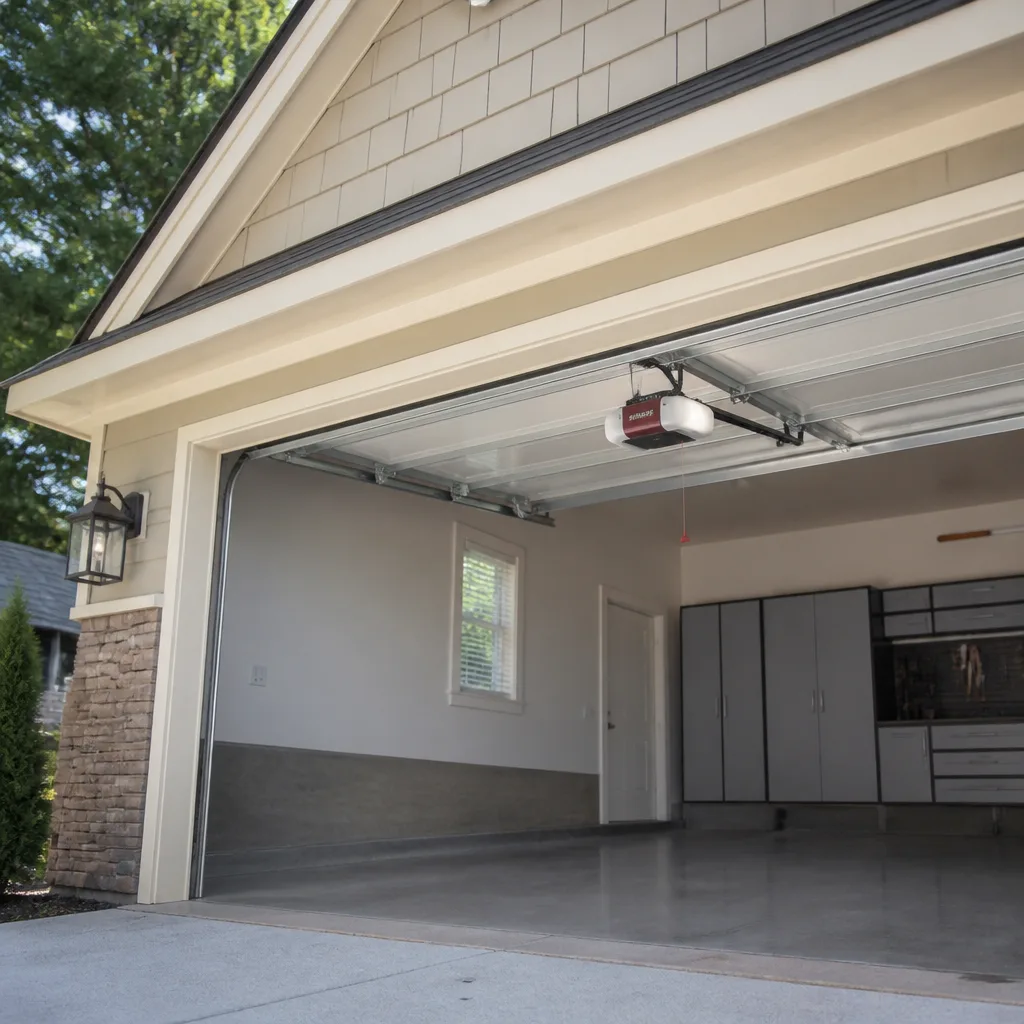 LiftMaster openers
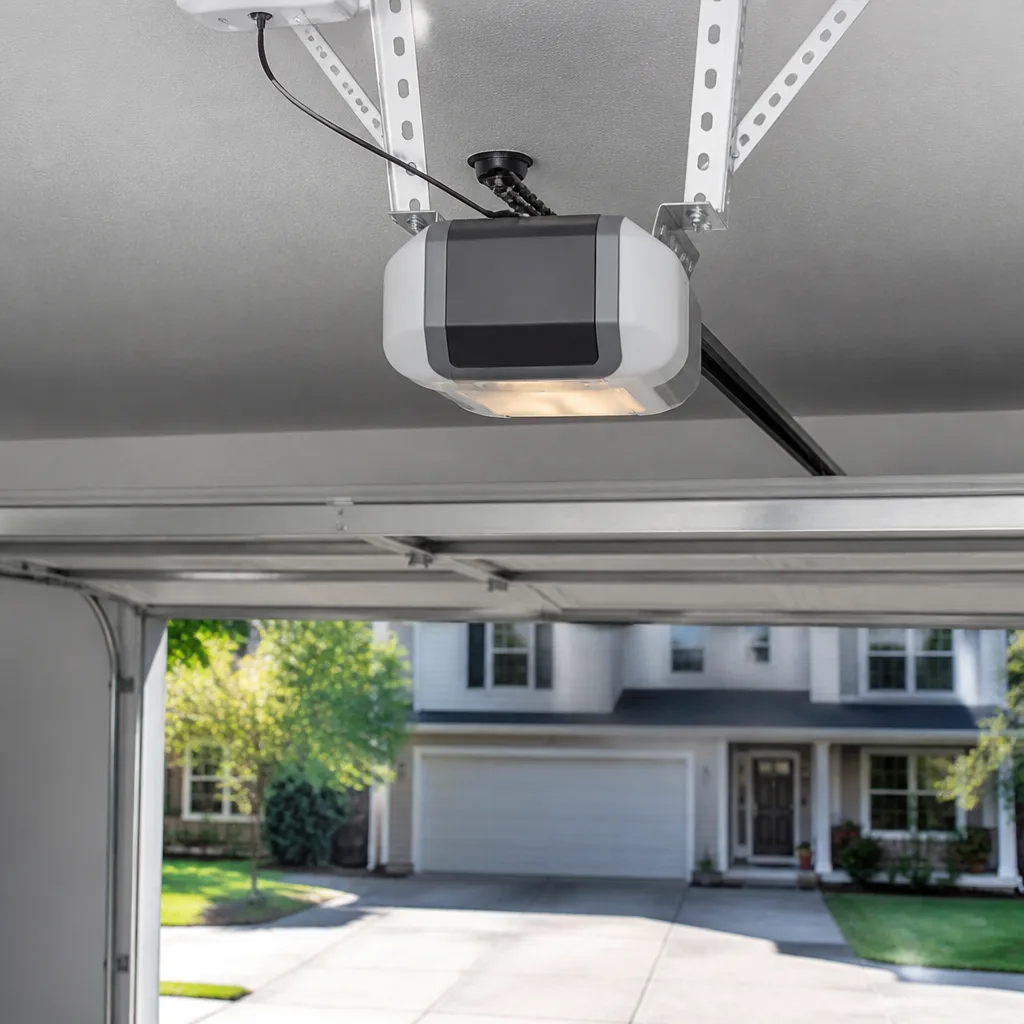 Chamberlain openers
Full 25-point door and opener safety check with every visit - springs, cables, rollers, tracks, and your LiftMaster or Chamberlain opener included
You get a price before we start. It does not change when the pro arrives.
Get your free estimateGarage Door Emergency Preparedness Guide for Tyler Homes
Most garage door advice focuses on what to do after something breaks. That’s backwards. The homeowners who get through a garage door emergency with the least damage and the smallest repair bill are the ones who did a few simple things before anything went wrong. Here’s the counterintuitive part: a garage door failure is rarely sudden. Springs fatigue over hundreds of cycles, rollers wear, openers give warnings. The “emergency” is usually the moment a slow decline finally gives out, often during a storm or a power outage when you can’t fix it easily. In Tyler, where tornado warnings and summer outages are real, that timing matters. This guide covers how to prepare, what to check, and how to respond when your door fails in a Tyler home.
Quick Answer
Garage door emergencies in Tyler fall into two basic categories: safety failures (a broken spring, a door off its track, a snapped cable) and access problems (a dead opener during a power outage or storm). For a safety failure, stop using the door, secure it, and call a garage door repair professional. For an access problem, use the manual release and a battery backup system if you have one. Preparation before either scenario is the single biggest thing you can do. The right response is different for each, and knowing which you’re facing is the whole game.
Styles & brands we work with
- Raised-panel steel
- Carriage house
- Modern flush
- Full-view glass
- LiftMaster openers
- Chamberlain openers
Table of Contents
- The Two Kinds of Garage Door Emergencies
- How to Use the Manual Release (and Test It Now)
- How to Secure a Door That Won’t Stay Closed
- Storm Preparedness for East Texas Doors
- Power Outage Protocol: The First 30 Seconds
- What to Say When You Call for Emergency Help
- Preventive Checks You Can Do Yourself
- When to Call a Professional
The Two Kinds of Garage Door Emergencies
Every garage door problem we hear about in Tyler fits into one of two buckets, and the response is completely different for each. Conflating them is where homeowners get into trouble.
Category 1: Safety failures. These are the situations where the door itself has become dangerous. A torsion or extension spring snaps and the door becomes dead weight, often hundreds of pounds. A cable breaks. A door comes off its track and hangs at an angle. The door may not be able to open or close, or it may slam shut without warning. The critical rule here is simple: do not operate the door, do not try to lift it by hand, and do not attempt to fix the spring or cable yourself. High-tension springs and cables hold enormous stored energy; a wrong move can cause serious injury. Keep everyone clear and call a professional.
Category 2: Access problems. These are situations where the door is intact but you can’t get in or out. The opener failed during a power outage. The remote stopped working. The safety sensor is misaligned. The door is stuck closed. These aren’t inherently dangerous, and the manual release cord is your tool here. Most can wait for a scheduled repair once you’ve secured your car and home.
Knowing which category you’re in tells you whether to grab the release cord or grab the phone. In Tyler, both categories show up regularly, but the safety failures tend to cluster after storm seasons and heat spells when springs are under stress, and access problems spike during summer power outages.
How to Use the Manual Release (and Test It Now)
Here’s the most important thing in this guide: the red emergency release cord only helps you if it works, and most homeowners have never tested theirs. If your opener loses power during a storm and the carriage is stuck, you’re going to try to pull that cord in the dark. Test it now, on a calm day, so you know it works and you know exactly how it feels.
The manual release on a standard residential opener (LiftMaster, Chamberlain, and most Craftsman units among them) works the same way. The red cord hangs from the carriage that rides the rail.
- Close the door fully first. Never pull the release with the door open, or it can drop.
- Locate the red cord. It hangs from the trolley/carriage on the rail, usually near the top of the door.
- Pull straight down firmly. You’ll hear and feel the carriage disengage from the belt or chain.
- Lift the door by hand. A properly balanced door should lift with moderate effort. If it’s extremely heavy or won’t stay up, stop and call a professional.
- To re-engage, pull the cord back and operate the opener, or cycle the door to let the carriage reconnect.
Some openers have a slightly different release mechanism, particularly older Raynor or Wayne Dalton side-mounted units, but the concept is identical: you’re disconnecting the door from the motor so it becomes a manual door. Our technicians know these systems cold, and a quick familiarization visit is cheap insurance against a dark, panicked night. This is exactly the kind of brand-specific fluency that Tyler Garage Door Service brings to every job.
How to Secure a Door That Won’t Stay Closed
A door that jumps back open, or that failed while up, is a security problem on top of a mechanical one. You want the door down and staying down until a technician arrives. Do not improvise with anything that could injure someone or damage the door further.
What’s safe:
- If the door is down, unplug the opener so it can’t be commanded to open. Then leave it closed.
- For a manual door, a C-clamp on the track just above the bottom roller is a common, safe temporary hold that keeps the door from rising.
- A door that won’t stay up can often be lowered by hand (with the carriage released) to rest closed.
What to avoid:
- Don’t prop a broken door open with brooms, ladders, or furniture. If it slips, that’s a fall risk.
- Don’t block the door with a car or heavy item you can’t easily move when the technician arrives.
- Don’t force a door that’s off its track. Pushing it back can bend panels and turn a repair into a replacement.
Once secured, you can keep the space behind the door secure by other means. If you need the door working because it’s your only access, say so when you call. In Tyler, many homes use the garage as the main entry, so we treat a door that won’t open as a priority for scheduling.
Storm Preparedness for East Texas Doors
Tyler sits in a part of East Texas where spring and early-summer storm systems bring strong straight-line winds and the occasional tornado warning. That changes how you should think about your garage door. A garage door is the largest opening in most homes, and wind pressure against it is real. Understanding what kind of door you have is the first step.
Garage doors are rated for wind resistance, and a door rated to withstand high winds (often expressed as a wind-speed rating in miles per hour) is built with heavier-gauge components, reinforced struts, and stronger hardware than a standard door. Whether yours qualifies depends on the specific model, installation, and any reinforcement added.
How to tell what you have:
- Look for a manufacturer’s label or sticker inside the door or on the frame with the model and wind rating.
- Check for horizontal reinforcement struts across the inside face.
- Ask a garage door technician to assess it. Manufacturers like Clopay and Amarr rate many door lines for wind, but the rating applies to proper installation and reinforcement.
Before a known storm, close the door fully and unplug the opener if you’re leaving. A closed, properly latched door handles wind far better than an open or partially open one. After a storm, inspect the door for bent tracks, popped rollers, and panel damage before operating it.
Power Outage Protocol: The First 30 Seconds
Power outages are common in Tyler during summer storms, and the first 30 seconds after the lights go out are when a lot of opener damage happens. Here’s why: if the opener was mid-travel when the power died, or if you force the manual release at the wrong moment, you can strip gears or damage the carriage.
What to do in the first 30 seconds:
- Don’t touch anything yet. Let the motor settle. The door should be at rest.
- Locate the red release cord with a flashlight (keep one in the garage).
- Release the carriage per the procedure above, then lift the door by hand if you need to leave.
- Don’t repeatedly click the wall button hoping power returns. That’s how boards and gears get stressed.
Battery backup: Many newer openers (LiftMaster and Chamberlain make models with integrated battery backup) run the door for a number of cycles after power is lost, which solves the access problem entirely. If you don’t have battery backup, that’s a worthwhile upgrade to ask about. It doesn’t help with a broken spring, but it keeps the door working through an outage. If you do have it, test the battery periodically so you know it’s ready before the next storm.
What to Say When You Call for Emergency Help
The reason to describe your failure precisely is that it decides what parts the technician brings and how the job is scheduled. A vague “my door is broken” means a second trip. Here’s what to have ready.
- What’s the door doing? Won’t open, won’t close, opens a foot and reverses, hangs crooked, is off the track.
- The brand and model if you can see it. Look for a label on the opener or inside the door. Remember that garage door opener repair is a distinct task from the door itself.
- Any unusual sound or event. Did you hear a loud bang (spring), a snap (cable), or did it simply stop?
- Is anyone’s car trapped? This affects how urgently we schedule.
- Was it preceded by a power outage or storm? This helps narrow whether it’s opener or door hardware.
Then call. For same-day scheduling in Tyler, our team will ask the right questions. When you’re describing the failure, mention the brand if you know it. We work on LiftMaster, Chamberlain, Genie, Clopay, Amarr, Wayne Dalton, Craftsman, and Raynor systems, so we arrive already familiar with the quirks of yours. That’s the difference between a generalist guessing and a specialist who knows.
Preventive Checks You Can Do Yourself
Five minutes monthly prevents most emergencies. These are visual checks, not repair work.
- Test the manual release so you know it works, per the steps above.
- Watch the door travel. It should move smoothly and stay level. A door that shudders or slows is telling you something.
- Check the balance. With the door released, lift it halfway. If it doesn’t stay put with light pressure, the springs need attention.
- Clean and align the safety sensors. Wipe the lenses and make sure the two eyes aim at each other. This prevents the “door reverses for no reason” call.
- Listen. Grinding, squealing, or popping sounds mean worn rollers or a spring issue coming. Address those before they fail.
- Test battery backup and replace remote batteries.
Any of these checks can be done without tools. Anything that requires opening the spring assembly, tightening cables, or adjusting the opener’s internal gears is a job for a trained technician. Springs and cables are under extreme tension; leave them alone.
Common Mistakes to Avoid
- Pulling the release cord before the door is fully down. The door can drop hard and cause injury or damage. Always close it first.
- Forcing a door that’s off the track back into place. Panels bend, and a repair becomes a replacement. Leave it and call.
- Trying to fix a spring or cable yourself. These parts hold dangerously stored energy. This is the one mistake that lands people in the ER.
- Ignoring the warnings. A shudder, a squeal, or a door that’s getting heavier is the door telling you to schedule a repair before the failure. In Tyler, where storms exercise your door under stress, warning signs are worth taking seriously.
- Pressing the button repeatedly during an outage. It stresses the opener’s board and gears. Release the carriage instead.
- Calling after the door is already stuck. A quick call when you first notice a symptom gets you scheduled before it’s an emergency.
- Assuming all openers respond the same way in an outage. Battery backup models and older models handle it differently. Know yours.
When to Call a Professional
Call a professional for anything involving springs, cables, tracks that are bent or out of alignment, or an opener that won’t respond after basic troubleshooting. Also call if the door is off its track or won’t stay closed and you’ve secured it safely. None of these are DIY jobs. The ones that scare us are the doors people have been “living with” for weeks because they didn’t want to pay for a repair, right up until the door drops.
Tyler Garage Door Service offers free estimates in Tyler. We handle garage door repair, opener repair, and full installation, and garage doors are all we do. Our technicians have up to 8 years of experience and know your system’s brand quirks before they arrive. If a safety failure has you stuck, call (844) 834-2184. We answer 24/7. Fast dispatch from 7am to 7pm, Sunday through Friday.
See the difference
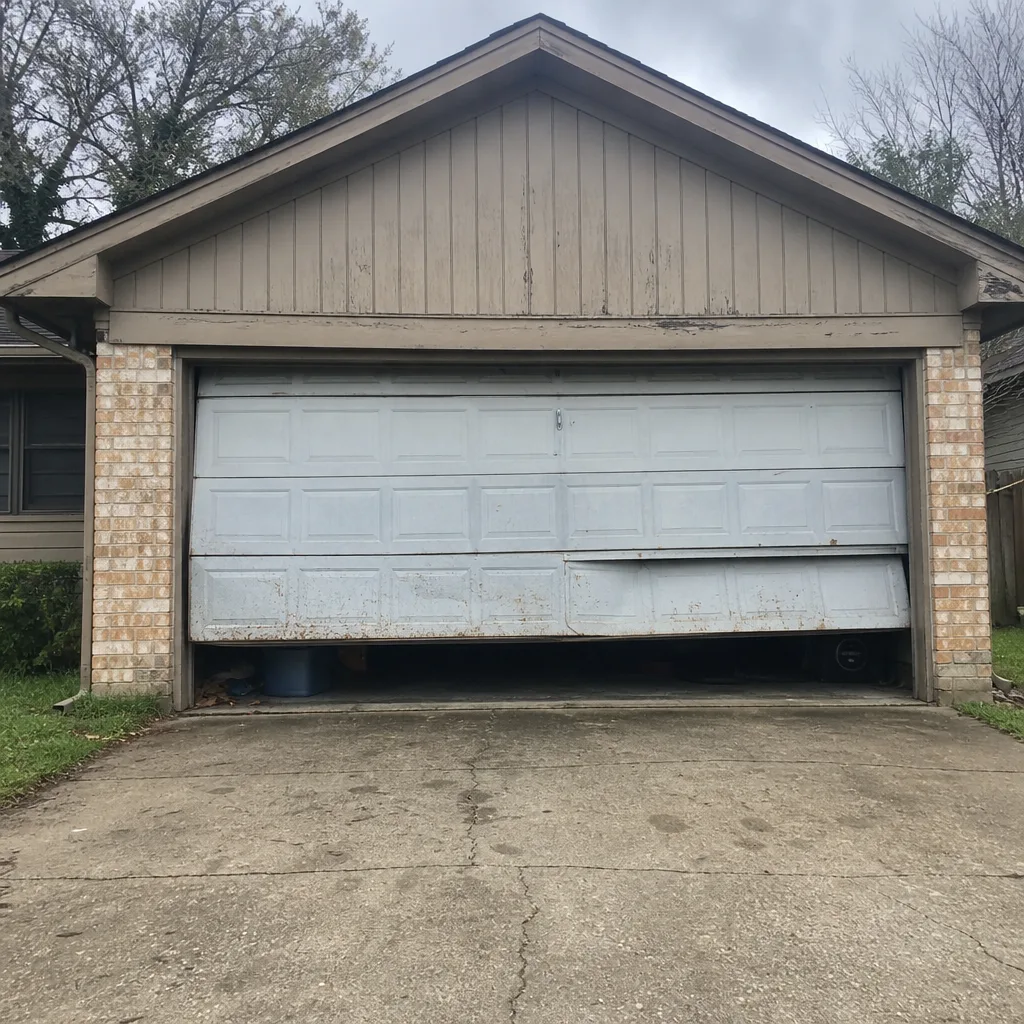 Before
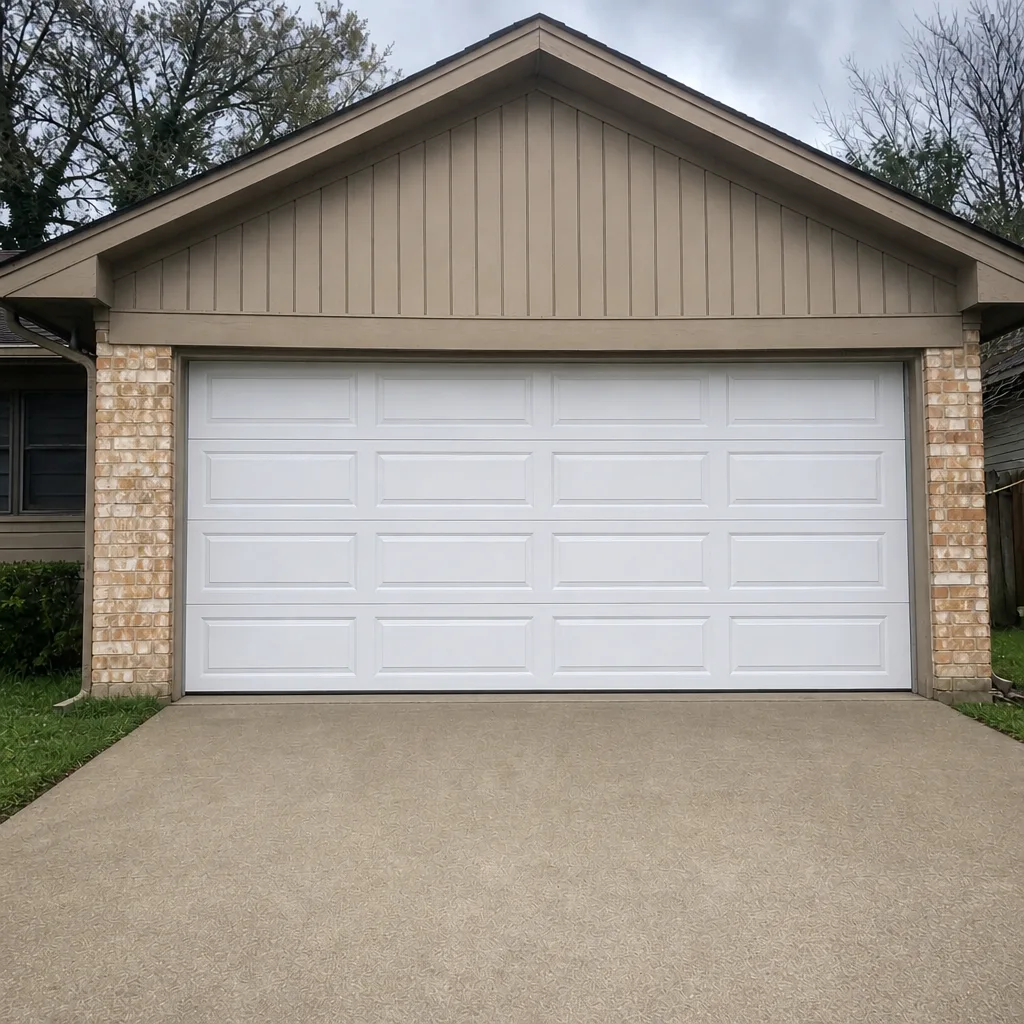 After
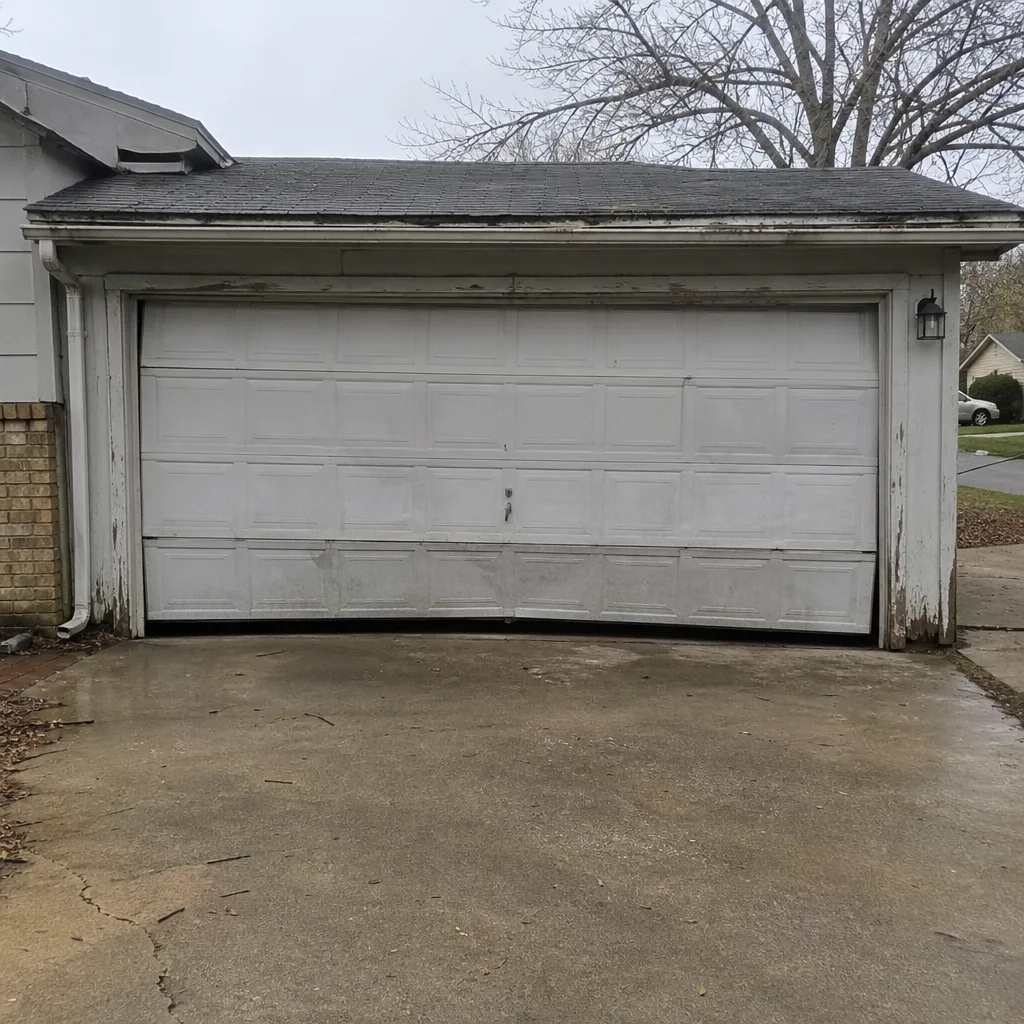 Before
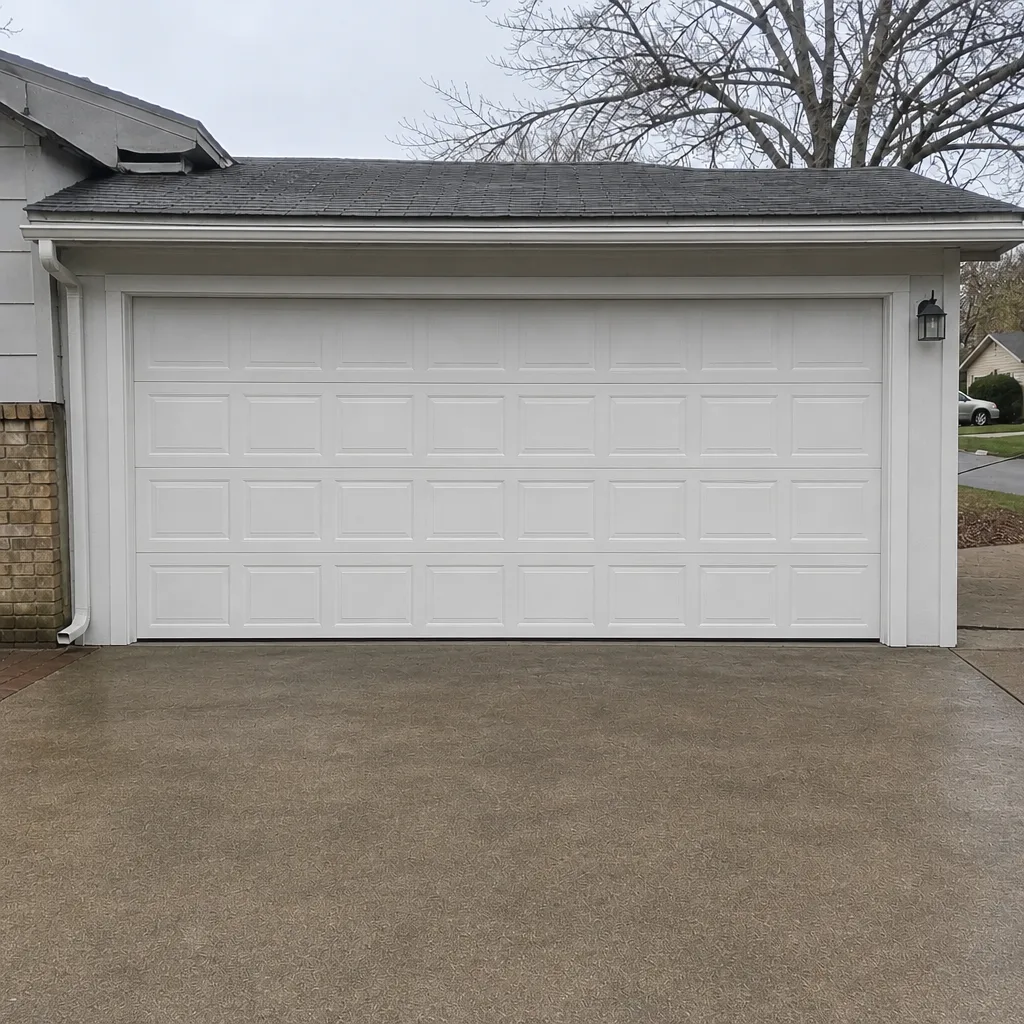 After
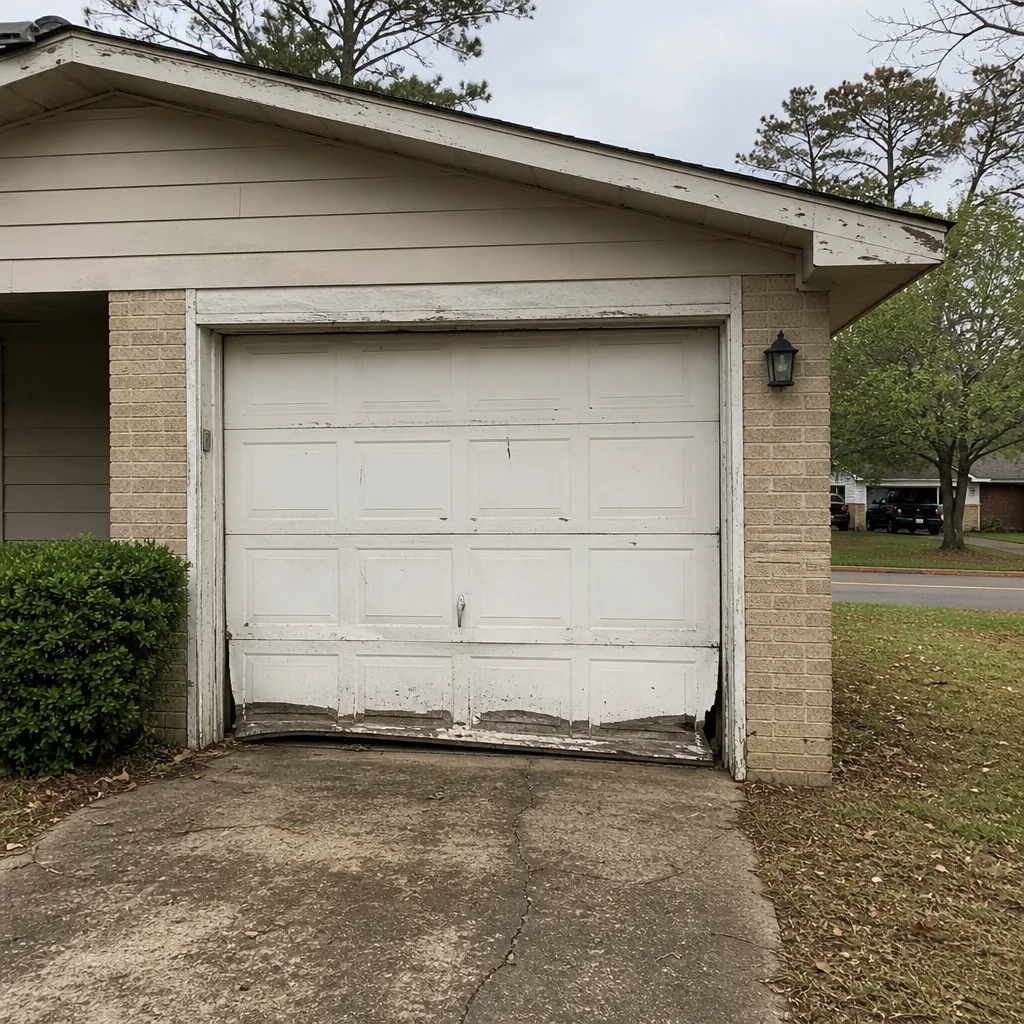 Before
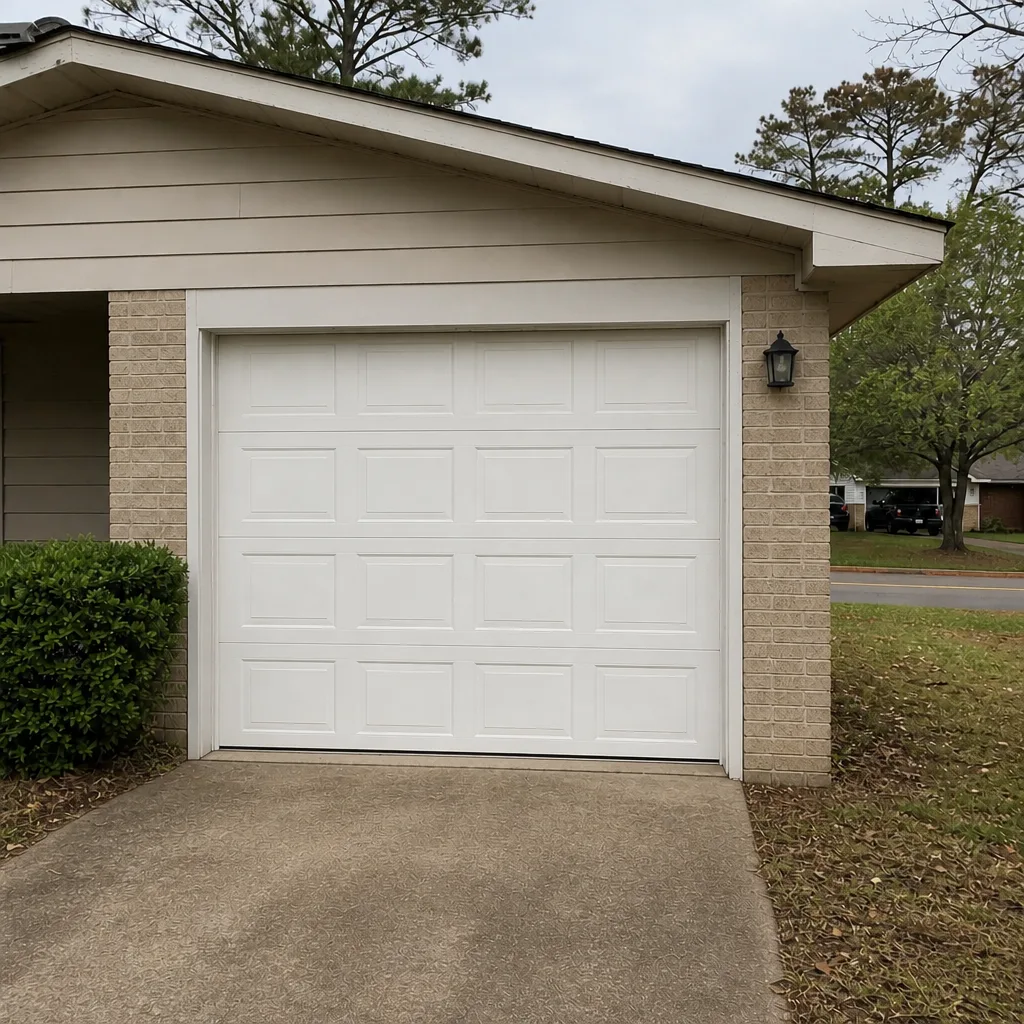 After
Frequently Asked Questions
Close the door fully before storms, test that the manual release works, unplug the opener if you’re leaving, and check for loose hardware or bent tracks. If you’re not sure whether your door has a wind rating, have a technician assess it. Manufacturers like Clopay and Amarr rate many doors for wind resistance, and adding reinforcement struts may be an option depending on your model.
Keep everyone clear of the door, don’t try to operate it, and don’t attempt to fix the spring yourself. A broken torsion or extension spring leaves the door dead weight and under tension. Call a professional. Call (844) 834-2184 for a free estimate. We answer 24/7, with fast dispatch from 7am to 7pm, Sunday through Friday.
Yes. Pulling the red cord disconnects the door from the motor so you can lift it by hand, but only if the door is fully closed first. If you haven’t tested your release recently, do it now on a calm day so you know it works.
Not necessarily. A power outage alone doesn’t damage the motor. Damage typically happens when someone forces the release at the wrong time or repeatedly presses the button during an outage. Release the carriage properly and schedule an opener check, and ask about battery backup if you don’t have it. Call (844) 834-2184 for a free estimate.
Cost depends entirely on what failed, which is why we give you a written estimate before any work starts. The price is set per job by that written estimate, so you know the number before we begin. We don’t quote a one-size price here because a spring, a cable, and an opener issue are three very different jobs. Call (844) 834-2184. Estimates are free.
Yes. We recognize most common systems on sight, including LiftMaster, Chamberlain, Genie, Clopay, Amarr, Wayne Dalton, Craftsman, and Raynor. If you can find a label, mention it when you call, but don’t worry if you can’t. Bring the phone, describe the failure, and we’ll handle the rest. Call (844) 834-2184.
The Bottom Line
Preparedness, not panic, is what gets you through a garage door emergency. Know which category you’re facing: a safety failure means secure the door and call a professional; an access problem means release the carriage and use battery backup if you have it. Test your manual release today. Do the monthly visual checks. Understand whether your door has a wind rating. Have the phone number ready and know what to say when you call. In Tyler, the homeowners who prepare for a few minutes a month avoid the worst of the emergencies. If your door is giving you warnings now, don’t wait for it to fail. Call (844) 834-2184 for a free estimate. We answer 24/7, with fast dispatch from 7am to 7pm, Sunday through Friday.
Written by the team at Tyler Garage Door Service.