
Last updated November 16, 2026
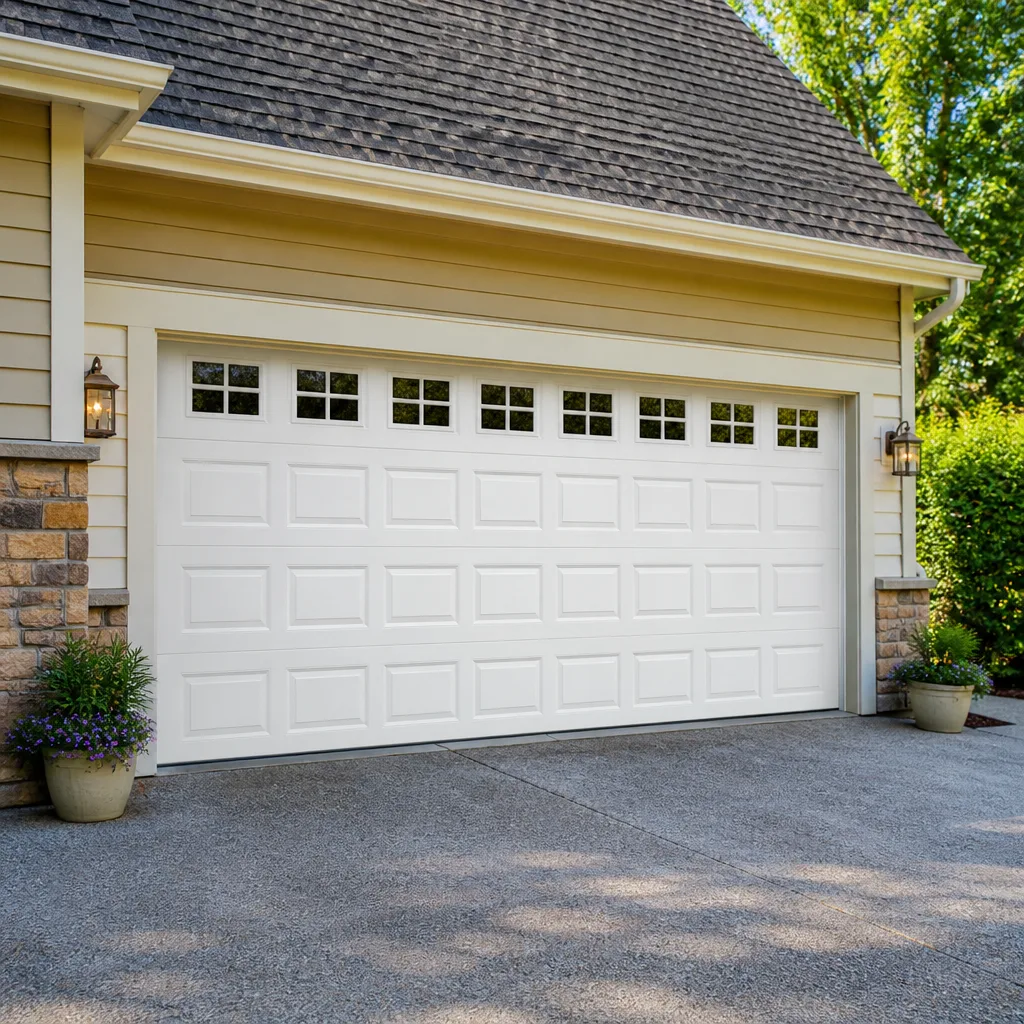 Raised-panel steel
 Carriage house
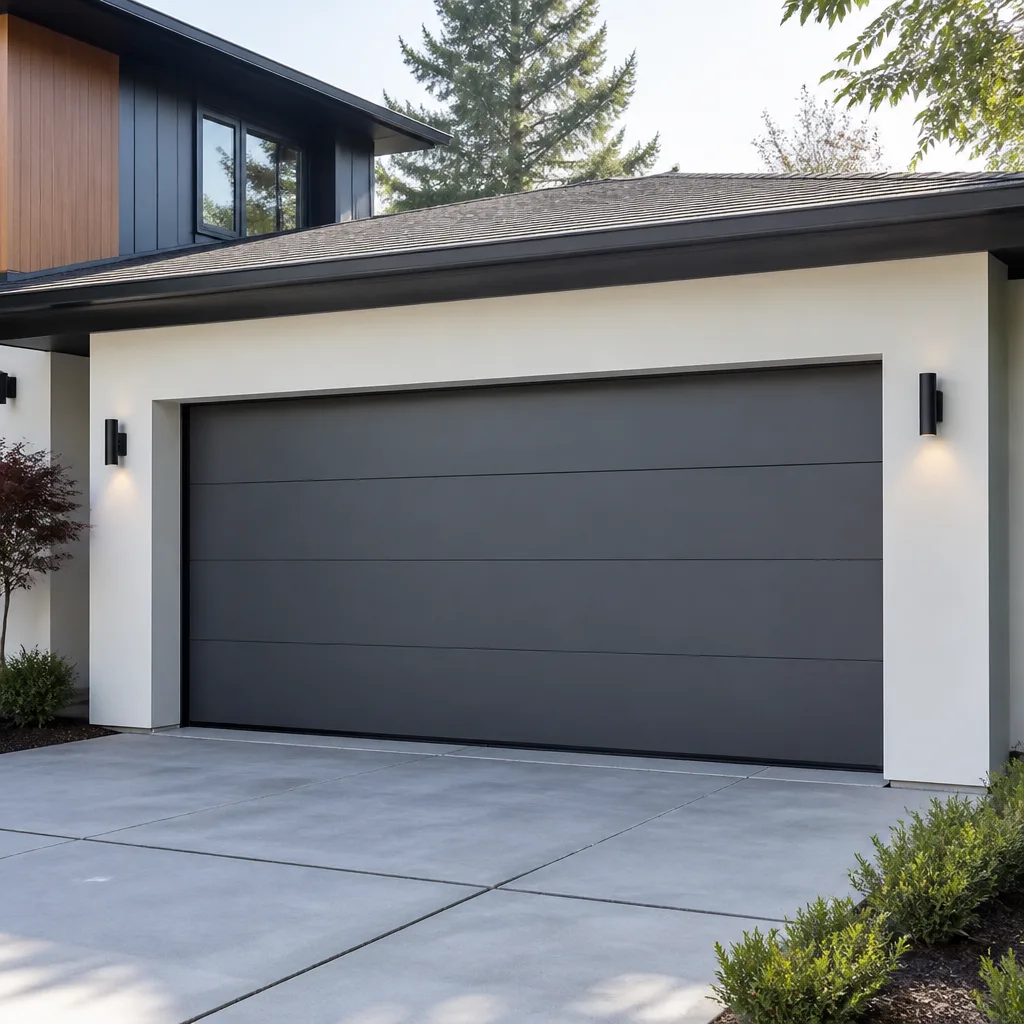 Modern flush
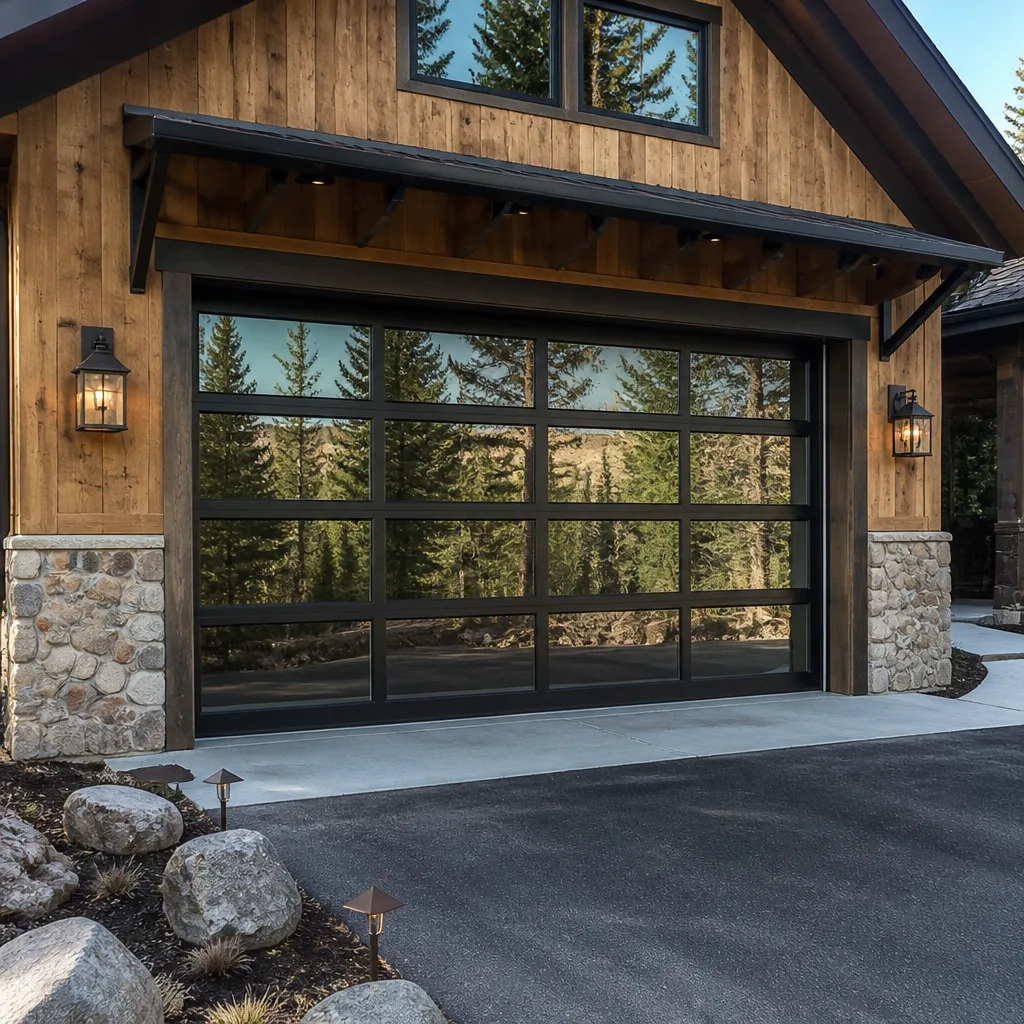 Full-view glass
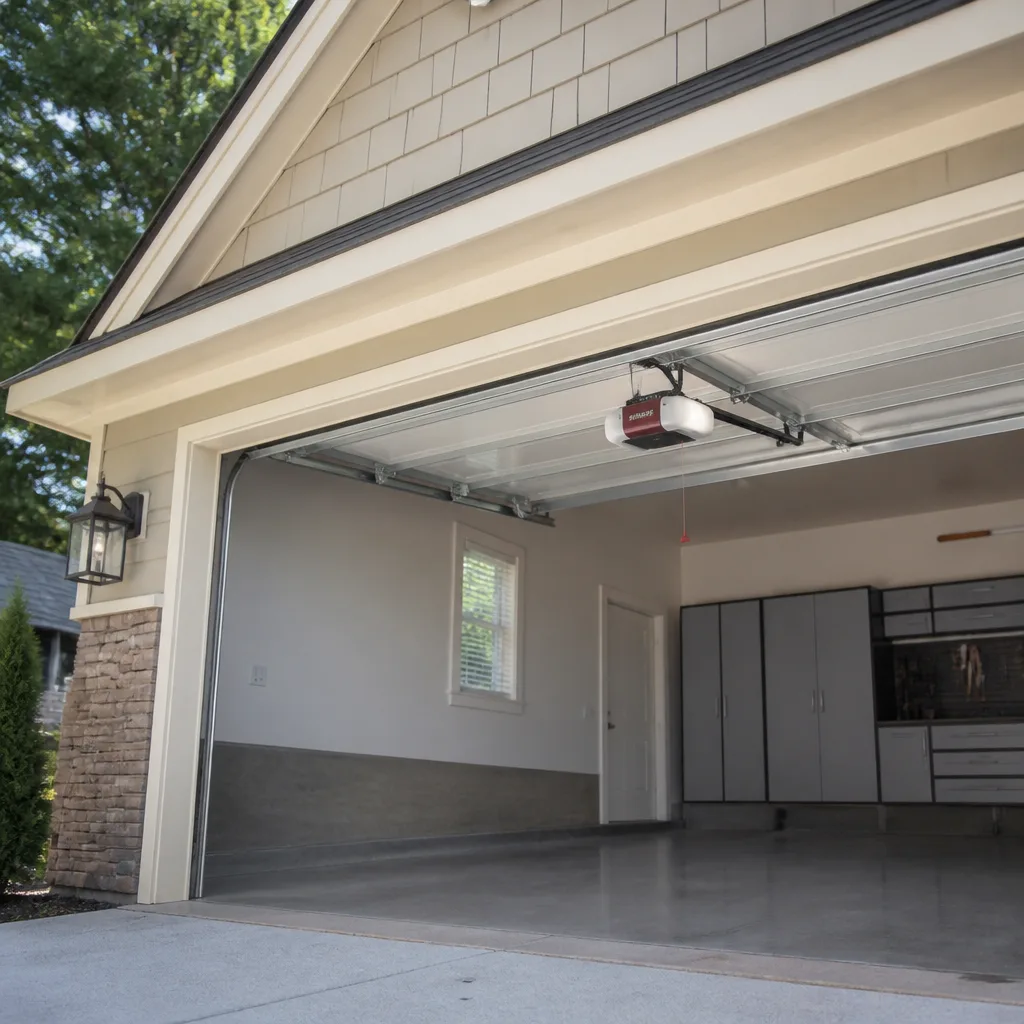 LiftMaster openers
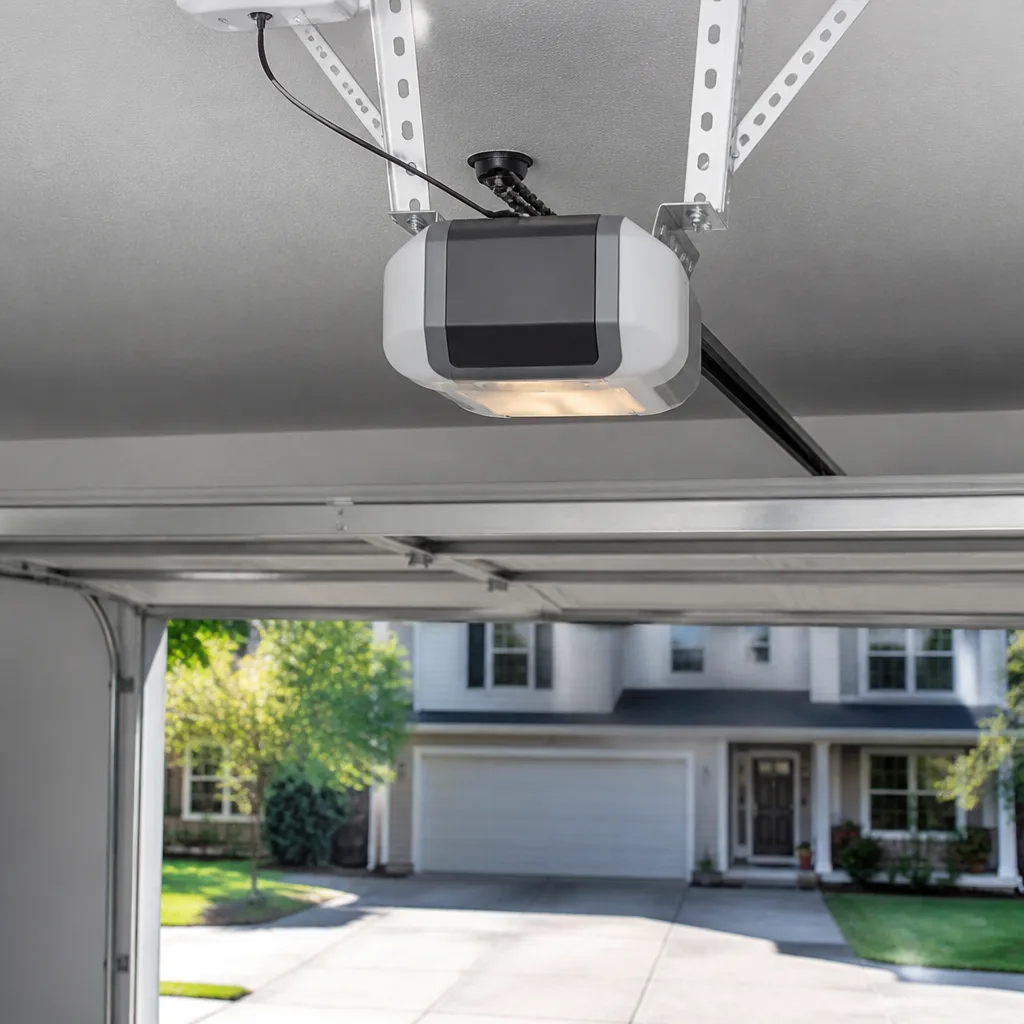 Chamberlain openers
Full 25-point door and opener safety check with every visit - springs, cables, rollers, tracks, and your LiftMaster or Chamberlain opener included
You get a price before we start. It does not change when the pro arrives.
Get your free estimateGarage Door Repair Maintenance Schedule: What to Do and When
If your garage door gets used four times a day, it hits 1,460 cycles a year. That’s the number that actually matters, because springs and openers wear by cycles, not by birthdays. Most maintenance checklists tell you to “inspect springs annually,” which ignores a simple fact: two households with identical doors can sit a full year apart in real wear depending on how often the door runs. We’re writing this guide because a calendar alone doesn’t tell you what your door needs. What follows is a maintenance rhythm built around how your door actually ages in Tyler, the components that fail first, and the checks you can do in 30 seconds.
Quick Answer
Build your garage door maintenance schedule around cycle count, not the calendar. Estimate your daily cycles, multiply by 365, and use that number to set your inspection rhythm: a monthly 30-second visual check, a twice-yearly hands-on lubrication and hardware inspection, and a professional eval when you cross roughly 7,500 to 10,000 cycles or notice a change in how the door moves. In Tyler, add post-summer and post-storm inspections for heat-shrunk seals, clouded photo-eye lenses, and track impact.
Styles & brands we work with
- Raised-panel steel
- Carriage house
- Modern flush
- Full-view glass
- LiftMaster openers
- Chamberlain openers
Table of Contents
- Why Cycle Count Beats the Calendar
- Seasonal Tasks for Tyler’s Heat and Storms
- The Right Lubrication Protocol
- Your 30-Second Monthly Visual Check
- The Twice-Yearly Hands-On Inspection
- How to Log Maintenance So a Technician Can Read It
- What Actually Wears Out First
- When to Schedule a Professional Inspection
Why Cycle Count Beats the Calendar
A garage door cycle is one full open and one full close. That’s it. Every spring, roller, hinge, and opener gear lives its life in cycles. A door that runs twice a day and a door that runs ten times a day may look identical from the curb, but the second one is aging five times faster in mechanical terms. This is why a fixed “every year” schedule shortchanges heavy-use homes and overschedules light-use ones.
Here’s how to build your own number. Count the average number of open-close cycles your household does on a normal day. A family with two cars going in and out at different times might hit six or eight. A retired couple running one car might hit two or three. Multiply that by 365. That’s your annual cycle count.
- 2-3 cycles a day (roughly 750 to 1,100 a year): light use
- 4-6 cycles a day (roughly 1,460 to 2,190 a year): average household
- 7+ cycles a day (2,500+ a year): heavy use
Most residential torsion springs are rated for a certain number of cycles based on how they’re wound, and a technician can tell you that rating for your specific door. A light-use household might stretch a spring replacement interval noticeably longer than a heavy-use household with the same equipment. That’s the gap the calendar misses.
We work on doors every day in Tyler across LiftMaster, Chamberlain, and Clopay systems, and the cycle conversation comes up more than any other. It’s the single most useful thing a homeowner can know about their door’s future.
Seasonal Tasks for Tyler’s Heat and Storms
Tyler’s climate does two things to garage doors that a generic national checklist won’t mention: summer heat shrinks the bottom weather seal until it stops touching the floor, and seasonal storms send debris and wind-driven rain against the door and tracks. Both deserve their own inspection window.
After Summer
Once the worst of the heat passes, check the bottom seal and the weatherstripping around the door frame. Heat causes the rubber and vinyl to contract and lose pliability, and a seal that’s shrunk or stiffened no longer keeps out insects, dust, and rain-driven water. Run your hand along the bottom seal while the door is fully closed and feel for gaps at the corners. Also check the two photo-eye lenses near the floor: UV exposure and airborne dust cloud them over a season, and a cloudy lens causes phantom reversals that people misdiagnose as opener failure.
After a Storm
Wind-driven debris is the big one here. After any significant storm in Tyler, walk the door’s path and check the vertical tracks for bends or dents and the horizontal tracks for anything that’s shifted angle. Look at the door panels for impact damage and at the opener housing for signs of a power surge – the opener may still run but behave erratically, or it may not respond at all. If the opener is dead or acting strange after a storm, that’s usually electronics, and garage door opener repair is a separate diagnostic from the door itself.
These two seasonal checks take ten minutes each and catch most of the damage that would otherwise turn into a surprise repair.
The Right Lubrication Protocol
Lubrication is the most misunderstood part of garage door maintenance. Most people either skip it or use the wrong product on the wrong part. The protocol is simple once you know what gets oiled and what stays dry.
What Gets Lubricated
- Hinges – one small drop at each hinge pivot point
- Rollers – the bearing surface, not the roller wheel itself
- Springs – a light coating along the coil to slow corrosion
- Bearing plates and the torsion shaft – where metal turns against metal
What Never Gets Lubricated
- Tracks – a dry track lets the rollers roll; a greased track attracts dust and can make rollers skid
- Photo-eye lenses – these need to stay clean and dry, not oily, or they cloud and misfire
The Right Product for Tyler’s Humidity
East Texas humidity is hard on lubricants. Thin spray oils evaporate and leave bare metal within weeks. General-purpose household oil drips off. What holds up is a lithium-based or silicone-based garage door lubricant applied thinly; it stays put through humid stretches and doesn’t attract grit the way grease does. Avoid anything that turns sticky in warm air. If the product worries you, buy a tube labeled specifically for garage door hardware.
Twice a year is enough for lubrication in most households. Heavy-use doors benefit from a third pass. Don’t overdo it – thin coats beat thick ones every time.
Your 30-Second Monthly Visual Check
Not every problem needs a wrench. A monthly glance at your door catches the majority of early-warning signs before they become repairs. This is a look, not a service visit, and it takes under a minute.
- Watch the full open-close cycle. Does the door move smoothly, or is it jerky?
- Listen. A well-maintained door is quiet. Grinding, squealing, or popping means something needs attention.
- Check the door’s balance. Does it sit level on the floor at closing, or hang lower at one corner?
- Look at the gap under the door. A visible gap means the seal is lifting or shrinking.
- Test the photo-eye pair. Wave an object through the beam; the door should reverse. If not, something is wrong with the eyes or the opener.
That’s it. These five points catch almost everything. If any of them look off, note the date and the symptom in your log (more on that below) and plan the hands-on inspection sooner than usual. The one thing you should never do yourself is diagnose or adjust the torsion springs or the cables. If you suspect spring trouble, stop running the door and call a professional.
The Twice-Yearly Hands-On Inspection
Twice a year – once after summer’s heat and once in early spring – roll up your sleeves for a more careful pass. This is where the real value of a maintenance schedule lives, because it’s where you catch wear before it turns into failure.
What “Normal Wear” Looks Like
- Rollers that spin freely with a light film of lubricant, no flat spots
- Slight play in hinges that still move easily
- A door that opens at a steady speed and closes completely against the floor
- Minor surface rust on a spring that hasn’t deepened
What “Schedule Service Now” Looks Like
- Any visible gap, crack, or fraying on a torsion spring or cable
- A door that rises crookedly or has to be helped open
- Rollers that wobble, squeal, or won’t spin
- Bent tracks, especially the vertical section
- An opener that runs slow, reverses before reaching the floor, or stops mid-travel
A safety caveat here, and we mean it: torsion springs are under serious tension and cables are under load. Never try to adjust, remove, or “test” them yourself. Even a slow, seemingly harmless movement can be dangerous. Same goes for opener wiring at the motor head. Those are jobs for a trained professional. What you can do safely is inspect, lubricate, clean, and watch.
If your twice-yearly inspection turns up something in the schedule-service-now list, our garage door repair service handles the fix, and the same technician can usually address the opener at the same visit.
How to Log Maintenance So a Technician Can Read It
This is the part almost nobody does, and it’s the part that makes every future visit faster. A simple log in your phone’s notes app is enough. When a technician arrives, a written history tells them exactly what’s been checked and what’s been replaced, which saves diagnostic time and helps them spot patterns.
Here’s a format that works:
- Date – one line per entry
- Cycle estimate – your current daily average
- Check done – monthly visual, hands-on, or professional
- What you noticed – symptoms in plain language
- What was repaired or replaced
- Who did the work – bring in the brand names
So an entry might read: “March 5 – ~5 cycles/day – hands-on – hinge screws snug, all rollers spin, one spring showing light rust. No work done.” Over a year of entries, a pattern emerges: does the door squeak at a certain point in the season, do the rollers need replacing more often than expected, is the spring wearing faster than the cycle count suggests? When a Tyler homeowner hands us a log like that, we can see the door’s history at a glance instead of starting from zero. It’s genuinely helpful – and it’s the kind of thing that makes our brand-fluent diagnostics pay off.
If you have a LiftMaster or Chamberlain opener, note the model number in your log. Openers have a sticker inside the housing with the model and date code. It saves a trip up a ladder later.
What Actually Wears Out First
Every garage door system has a predictable wear order, and knowing it helps you spot the next thing to fail before it does. In our experience across Craftman, Raynor, Clopay, and Amarr systems in Tyler homes, the order is consistent.
- Torsion springs first – springs are usually the first major component to reach the end of their life, because they bear the most load and do the most work every cycle
- Rollers and hinges next – moving parts wear on their bearings and pivot points
- Weather seals – heat, sun, and flexing take a toll
- The opener’s moving parts – the trolley, chain or belt, and drive gear wear with every cycle
- Photo-eyes and safety sensors – clouded lenses and sensitivity drift over time
Notice the pattern: the components doing the most physical work fail first. That’s another argument for a cycle-based schedule; a high-cycle household will burn through springs and rollers much faster, while a low-cycle household may go years without major mechanical work and just needs seal and sensor attention.
One thing that surprises people: an opener rarely fails from age alone. It fails because the door became unbalanced and the opener started doing work the springs should handle. Keep the door balanced and the springs healthy, and the opener tends to last.
When to Schedule a Professional Inspection
You can do a lot of maintenance yourself with a good eye and a lubricant. But there are clear points where a professional inspection makes sense, and they’re worth scheduling before something fails.
- Once a year, regardless – a yearly look-over by a technician who knows your brand catches things the eye misses: spring wind count, cable damage under the drum, opener force settings
- Every 7,500 to 10,000 cycles – a rough threshold where a full system check is worth booking
- Any change in sound or movement – if your door starts behaving differently and you can’t find the reason, get it diagnosed
- After a hard storm – if tracks took a hit or the opener acted strange
- Before you sell or buy a home – an inspection gives you a written summary of what’s current and what’s coming
We see plenty of Tyler homes where the door has been in over a decade with no professional service and still works, but the springs are close to the end and the safety reverse doesn’t trigger properly. Those are cheap fixes caught early and expensive ones caught late. If you schedule with us, a technician arrives already familiar with LiftMaster, Chamberlain, Genie, Clopay, and the rest of the brands we handle daily, and we quote the work before we start.
Common Mistakes to Avoid
- Following a calendar instead of your cycles. A once-a-year checklist for a two-cycle household overschedules the door; for a heavy-use household it leaves wear undetected for months. Track your real usage.
- Greasing the tracks. Tracks should stay dry. Lubricant there attracts dust and grit, and rollers start skidding instead of rolling. The result is a door that binds in humid East Texas weather and looks like a mechanical failure.
- Lubricating with a spray can of household oil. It runs off metal and evaporates, and it attracts grit in the summer. A lithium-based or silicone based garage door lubricant holds up in Tyler’s humidity.
- Ignoring a cloudy photo-eye. In Tyler’s summer, UV and dust cloud the lenses and cause phantom reversals. People often pay for an opener repair they don’t need when it’s a five-minute lens cleaning.
- Adjusting the torsion spring yourself. This is genuinely dangerous. A torsion spring is under heavy load even when the door is closed, and a mistake can cause serious injury. Leave it to a trained technician.
- Never logging maintenance. Without a written history, every technician starts from zero. A notes-app log saves you time and money at the next visit.
- Skipping the post-summer check. East Texas heat shrinks the bottom seal until it stops contacting the floor. If you only check the door in spring, you’ll miss it, and by fall water and insects find their way in.
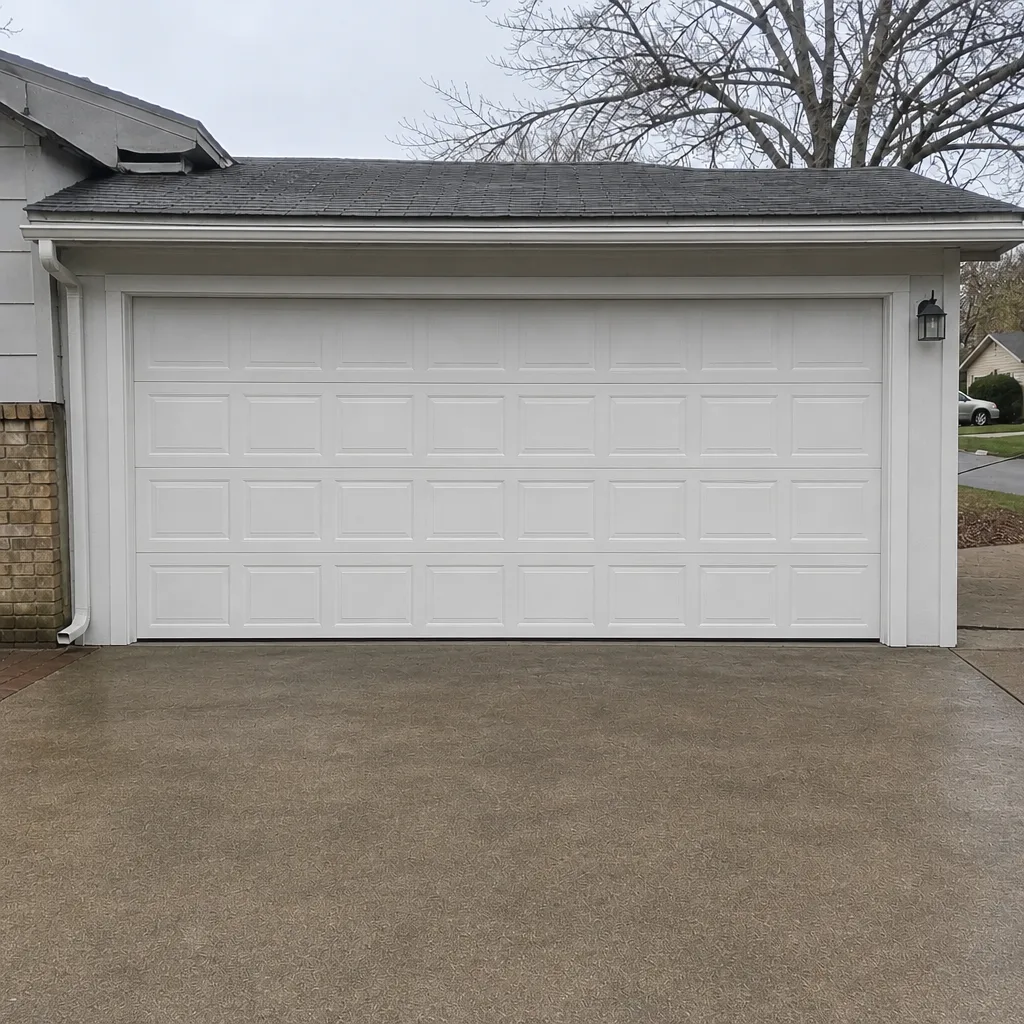
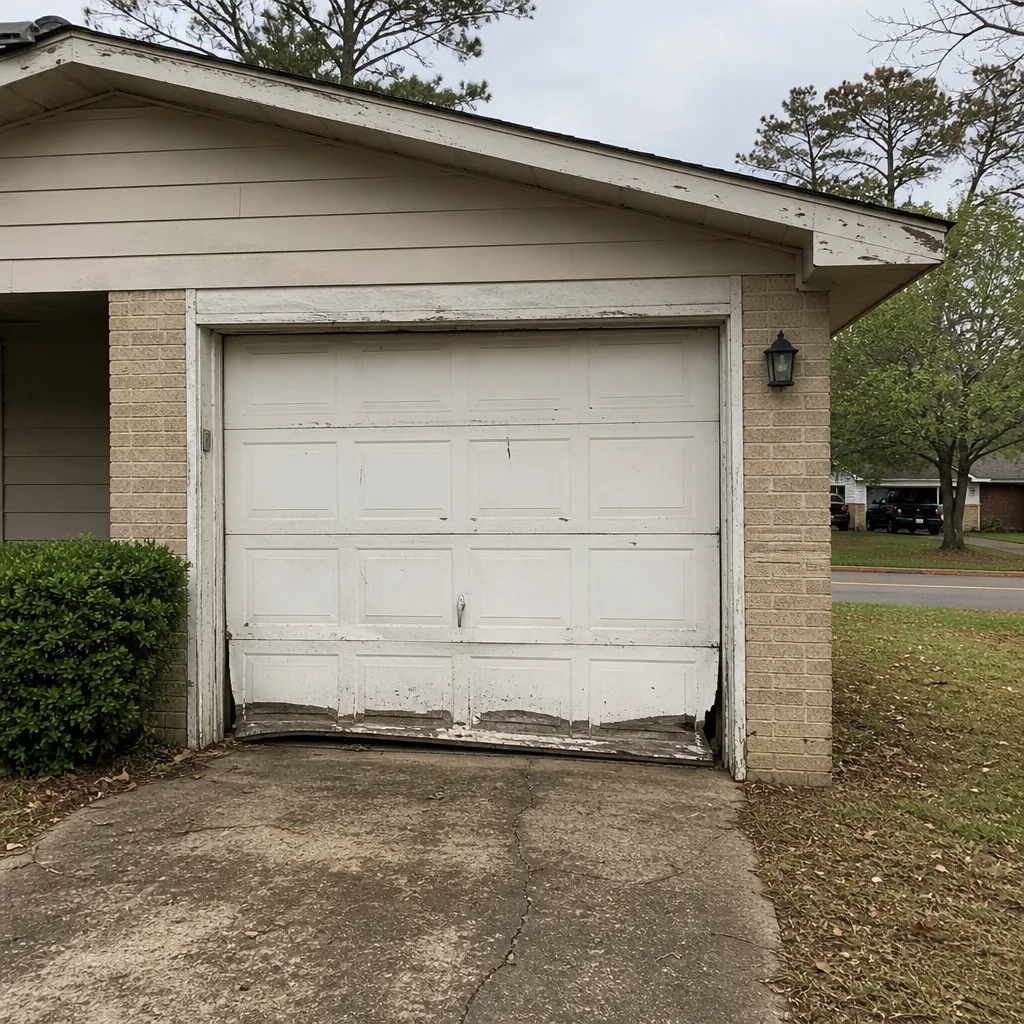
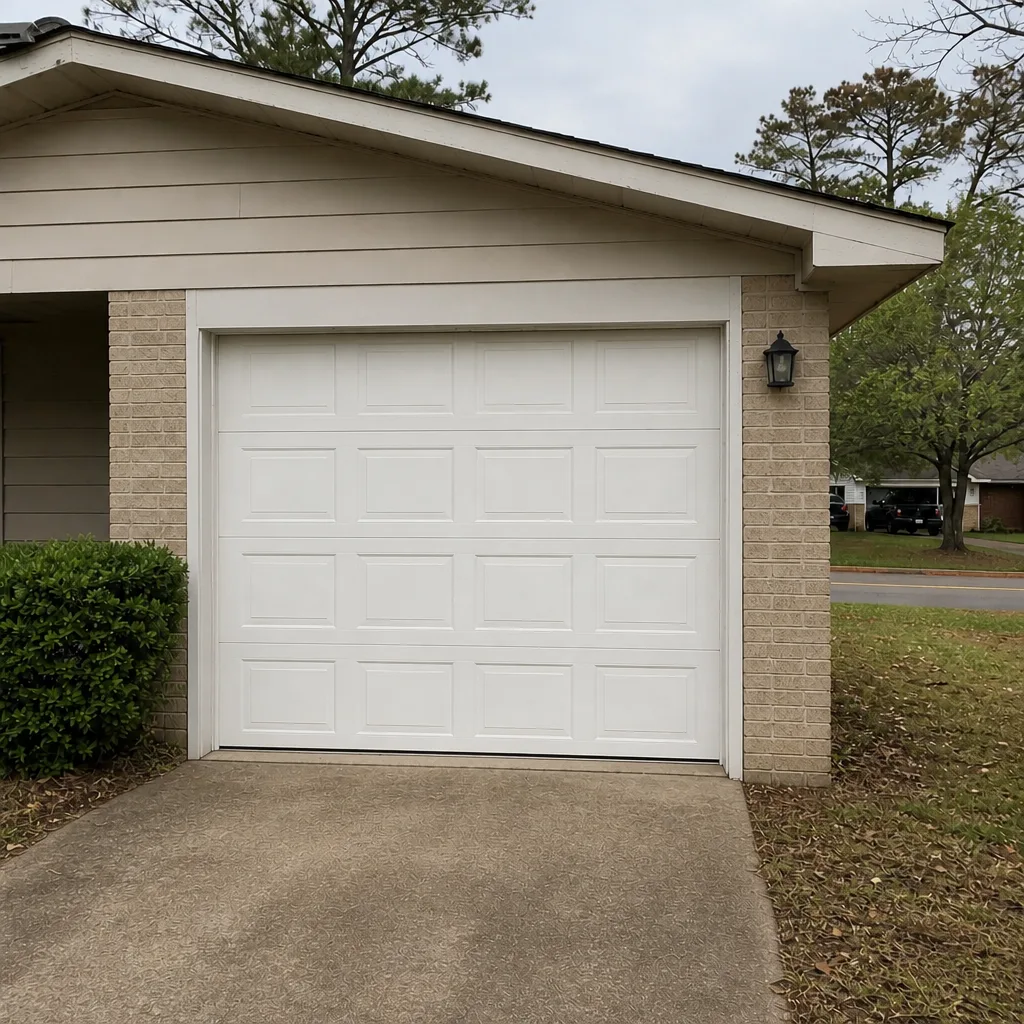
See the difference
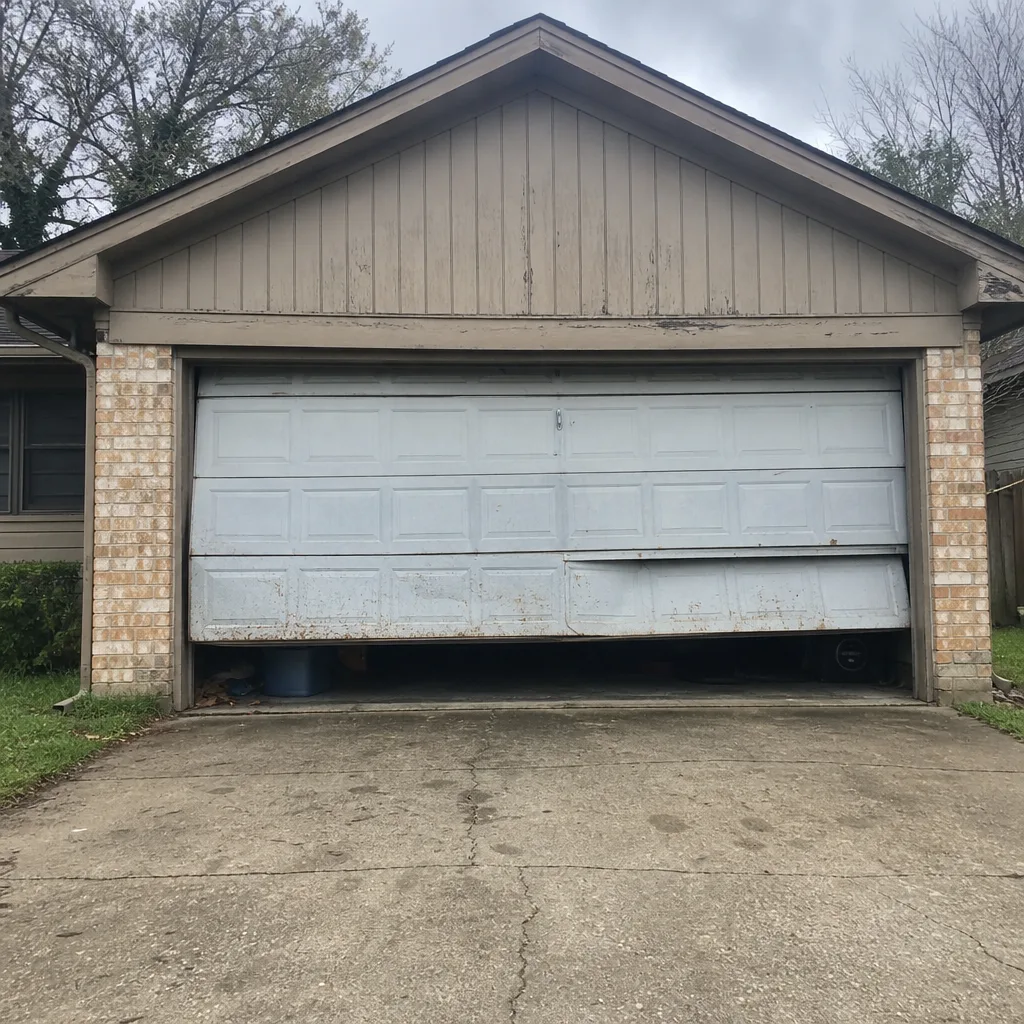 Before
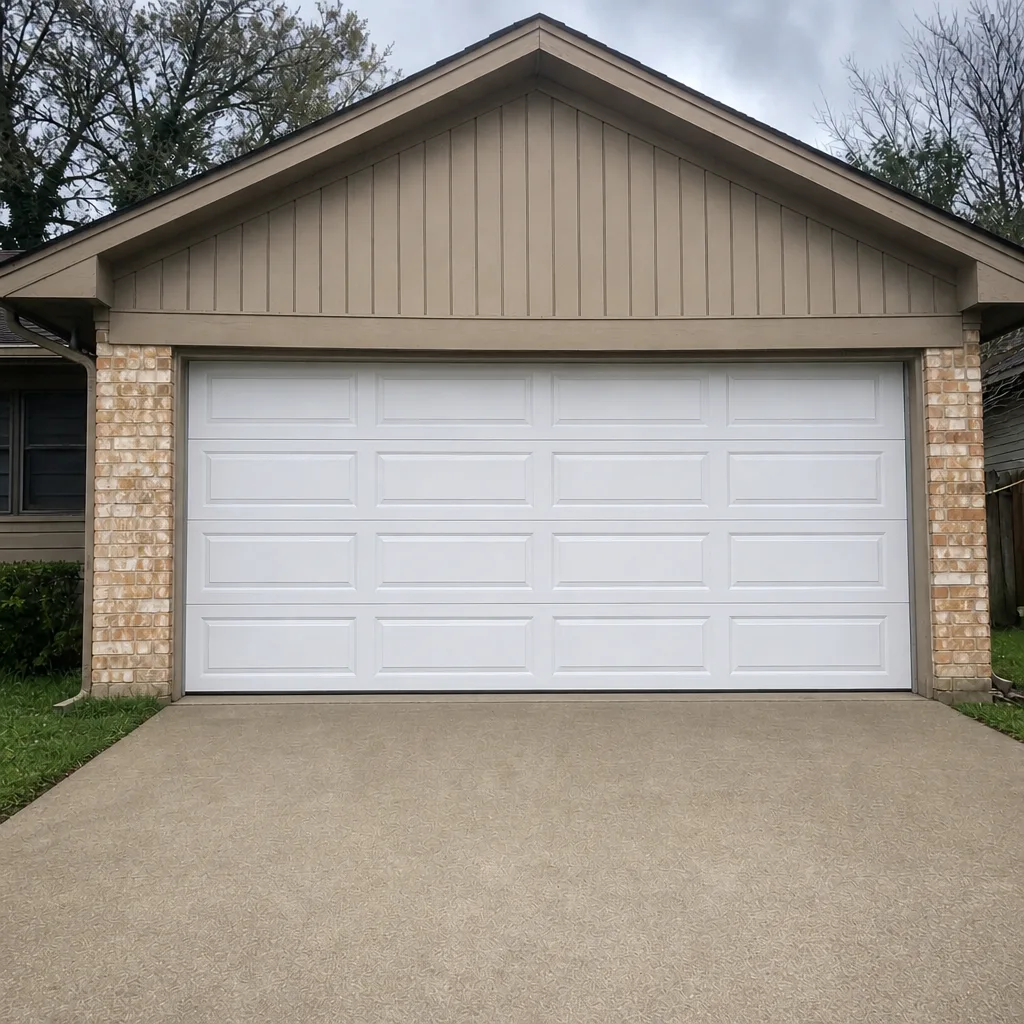 After
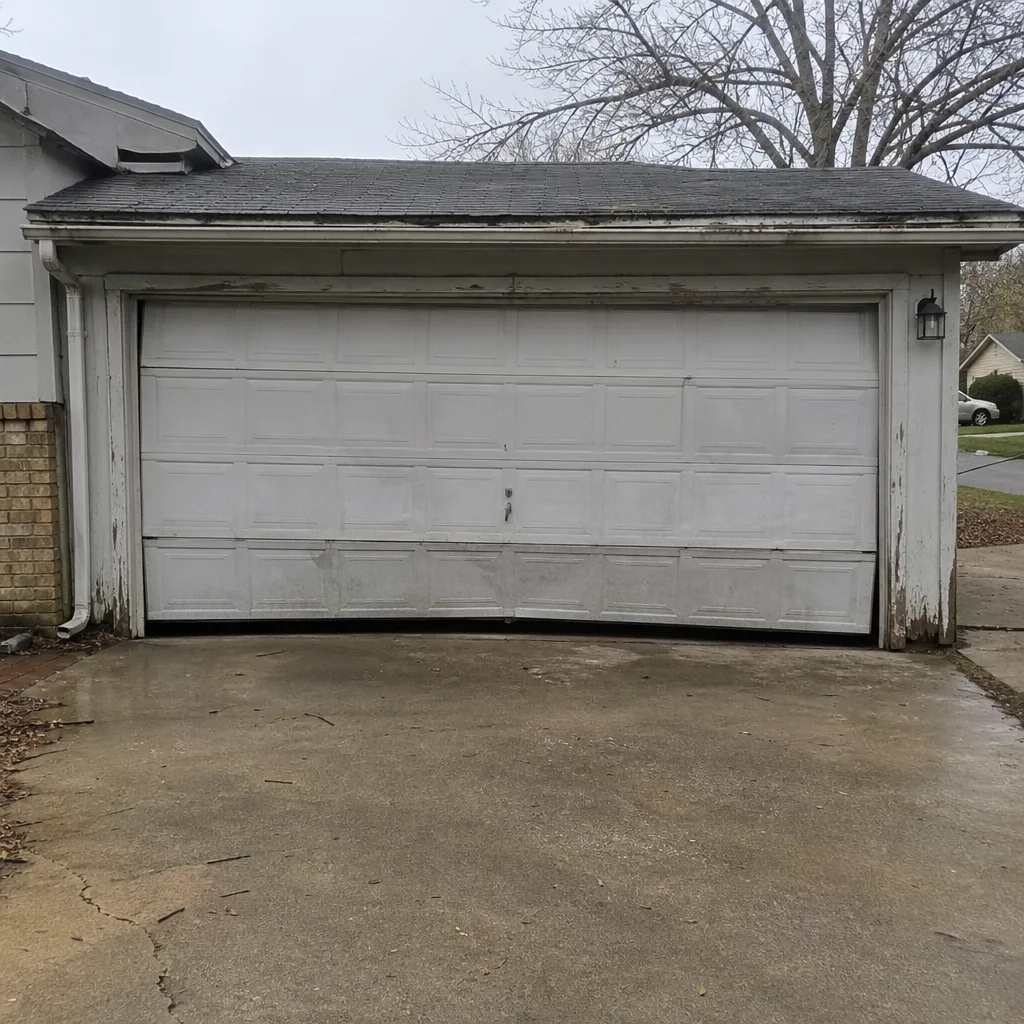 Before
 After
 Before
 After
When to Call a Professional
Call a professional if any of these are true: you can see a gap, crack, or fraying on a torsion spring or cable; the door rises crookedly or has to be helped open; the tracks show a bend; the opener reverses on its own, runs slow, or stops mid-travel; a storm has visibly shifted hardware; or your annual cycle count passes roughly 7,500 to 10,000 and the door has never had a full inspection. Any of these is a safety issue first and a repair second, and a trained technician should look at it before you keep cycling the door.
Tyler Garage Door Service offers free estimates in Tyler – call (844) 834-2184. We answer 24/7. Fast dispatch from 7am to 7pm, Sunday through Friday. We work on your specific brand, and the price is quoted and agreed before any work starts.
Frequently Asked Questions
Twice a year, plus a professional inspection annually, is a practical rhythm for most Tyler households. If you use your door more than six times a day, tighten that to three hands-on inspections a year. Cycle count matters more than the calendar, so estimate your daily open-close cycles and let that govern the timing. Call (844) 834-2184 for a free estimate on a full inspection.
No. Tracks should stay dry. Greasing them attracts dust and grit, which makes rollers skid and the door bind, especially in East Texas humidity. Lubricate the hinges, roller bearings, springs, and bearing plates instead, using a lithium-based or silicone-based garage door lubricant. Call (844) 834-2184 for a free estimate if your door already feels stiff.
Look for a visible gap in the coil, a crack, or fraying, and watch for the door becoming hard to lift or unbalanced. A spring near the end of its rated cycles can also snap without warning, which is loud and disables the door. Never adjust or remove a spring yourself; torsion springs are under serious tension and a trained technician should handle it. Call (844) 834-2184 for a free estimate.
The bottom weather seal shrinks and stiffens, often pulling away from the floor, and UV exposure clouds the photo-eye lenses. Both are easy to check after summer: feel the seal for gaps and clean any film off the lenses. If the door reverse test fails after cleaning, that’s a signal to book a diagnostic. Call (844) 834-2184 for a free estimate.
Yes. Door and opener work together as one system, so we diagnose and fix both at one visit when needed. We work on LiftMaster, Chamberlain, Genie, Clopay, Amarr, Wayne Dalton, Craftsman, and Raynor equipment, so we arrive familiar with your setup. Call (844) 834-2184 for a free estimate.
No. The written estimate sets the final price and is quoted and agreed before any work starts. We look at the door and opener first, explain what needs fixing, then give you the number. Nothing gets added after the fact. Call (844) 834-2184 for a free estimate.
The Bottom Line
The best maintenance schedule for your garage door is the one built around your real usage, not a generic monthly calendar. Count your cycles, run the 30-second visual check each month, do the hands-on lubrication and inspection twice a year, add post-summer and post-storm passes for Tyler’s climate, and keep a simple log a technician can read. That rhythm catches most failures early and keeps both the door and opener working as one system. When the checks point to a real problem, our technicians – up to 8 years of experience – handle the fix across all the major brands.
Tyler Garage Door Service handles repair, opener repair, and installation, and Tyler homeowners get a free estimate before any work begins. Call (844) 834-2184. We answer 24/7. Fast dispatch from 7am to 7pm, Sunday through Friday.
Written by the team at Tyler Garage Door Service.