
Last updated November 16, 2026
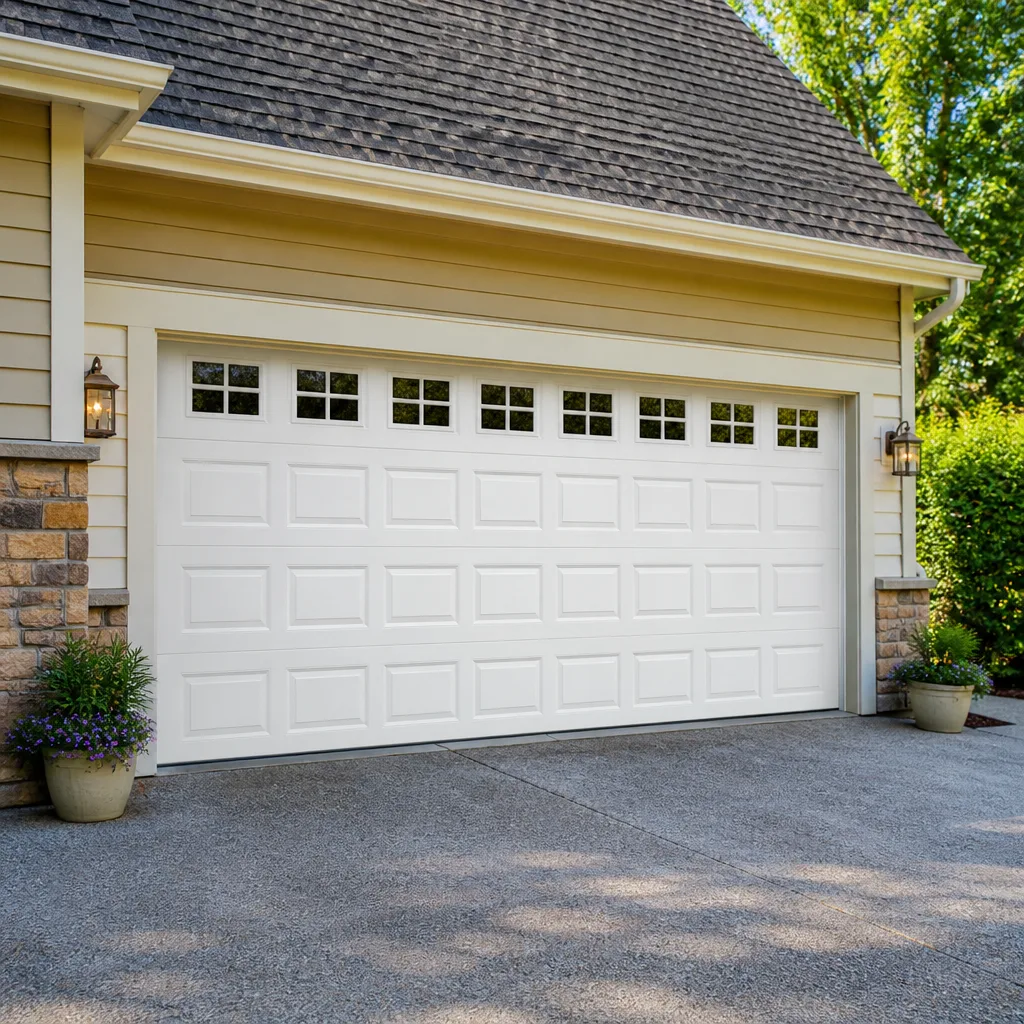 Raised-panel steel
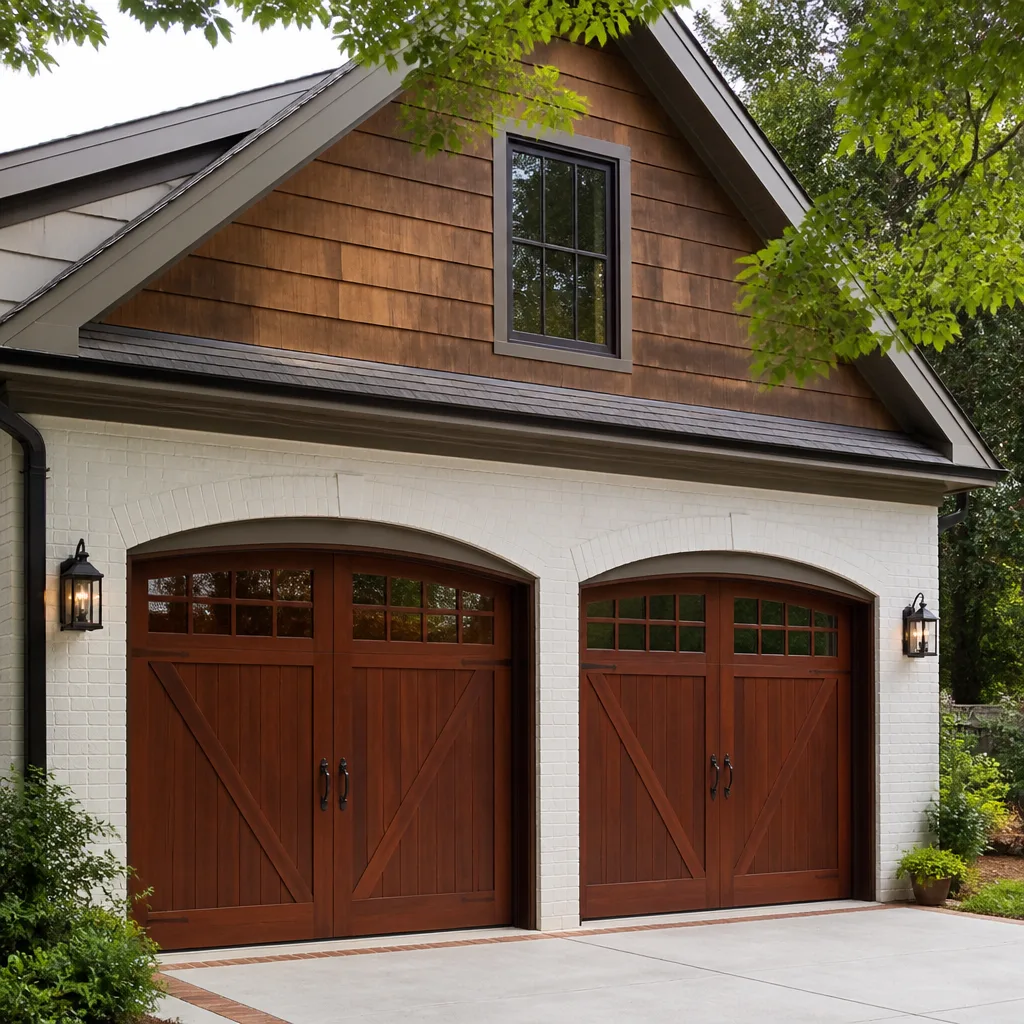 Carriage house
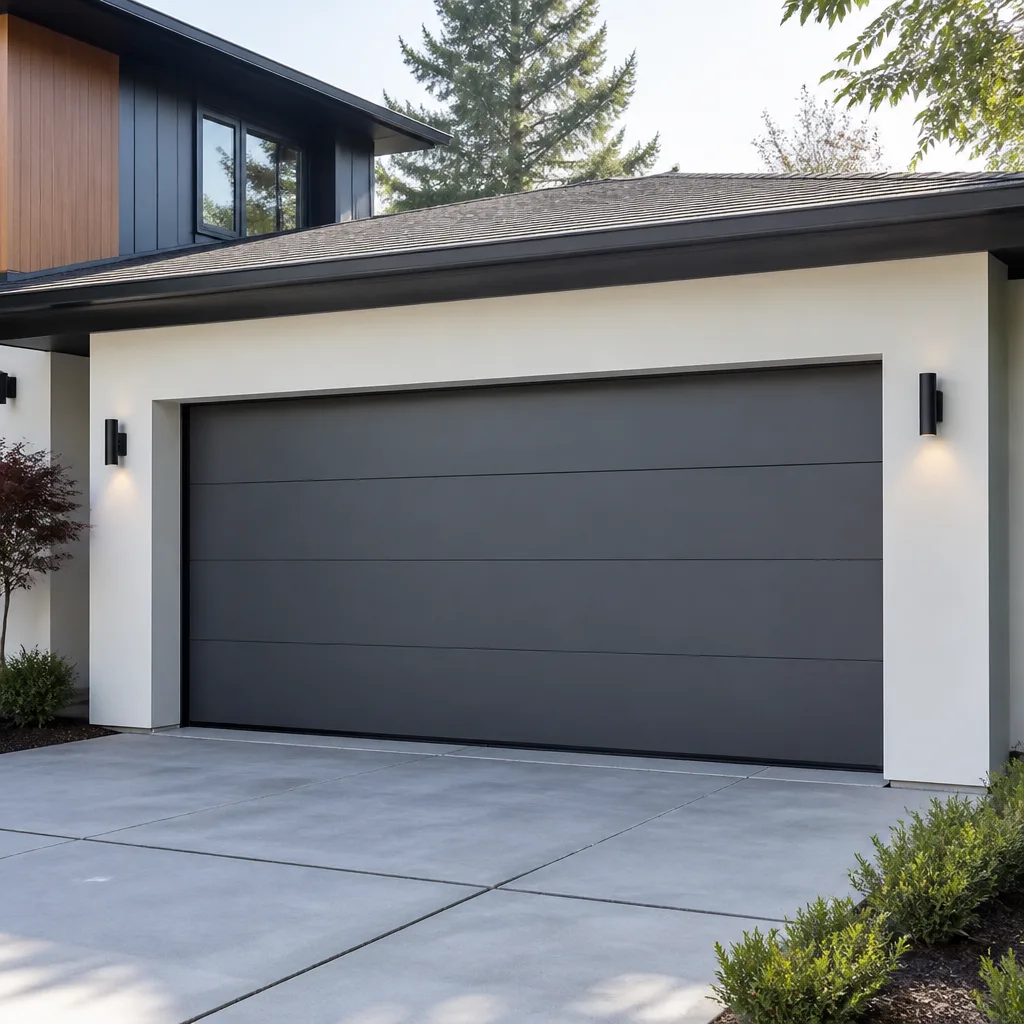 Modern flush
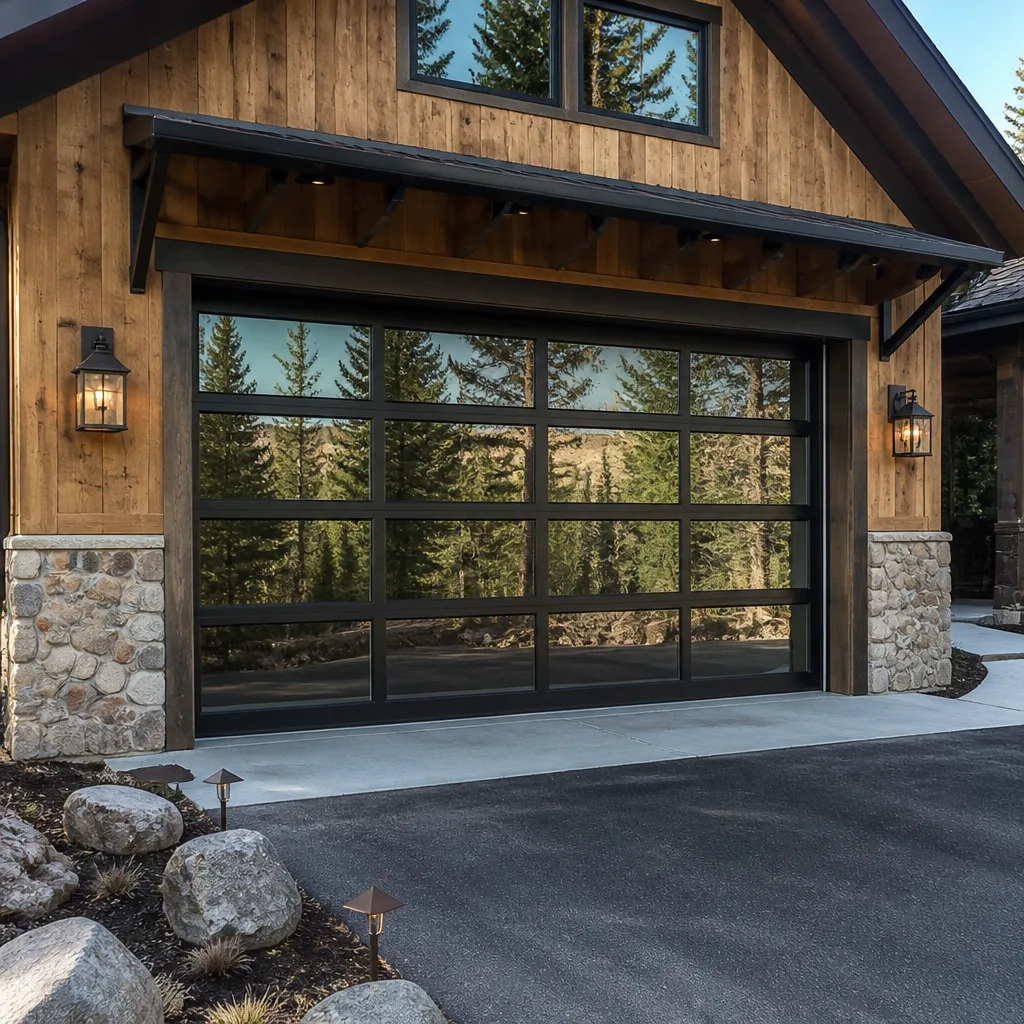 Full-view glass
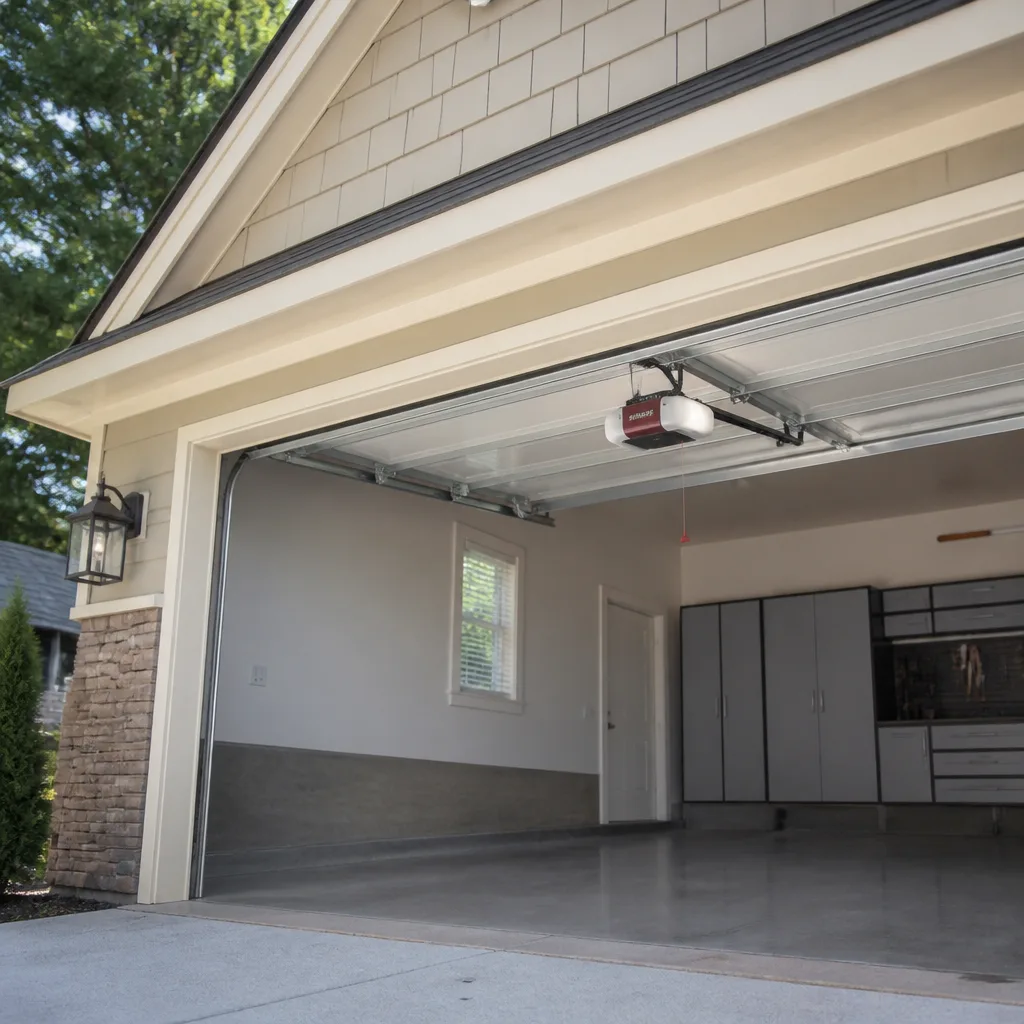 LiftMaster openers
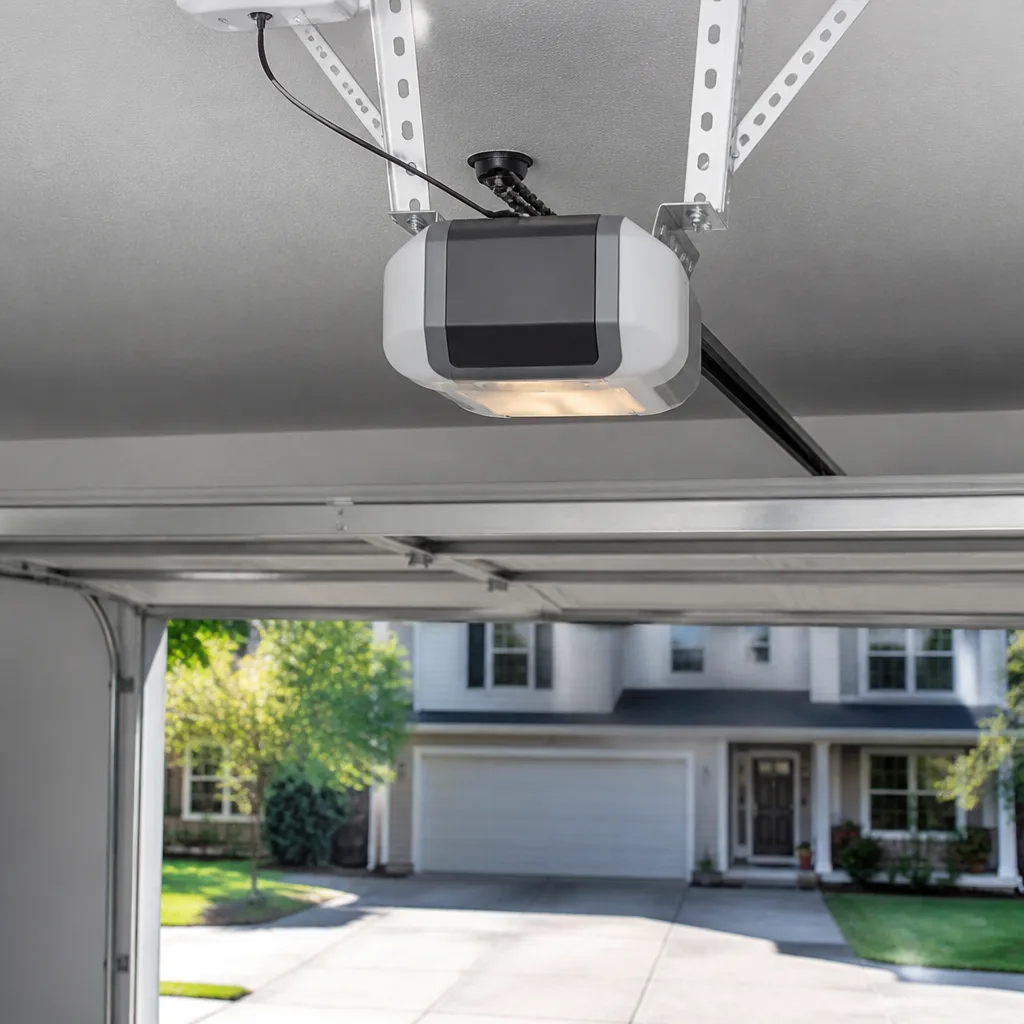 Chamberlain openers
Full 25-point door and opener safety check with every visit - springs, cables, rollers, tracks, and your LiftMaster or Chamberlain opener included
You get a price before we start. It does not change when the pro arrives.
Get your free estimateGarage Door Repair Troubleshooting in Tyler: Common Problems and How to Fix Them
The door that “came off track” is almost never an alignment problem. It’s usually a broken torsion spring that let the door drop, yanked the lift cable tight, and pulled the bottom roller out of its channel. If a technician simply bends the track back and resets the roller, nothing about the actual failure has been addressed, and the same door is jammed again within days. That single misconception causes more repeat repair calls than anything else we see. This guide maps garage door symptoms to the four mechanical systems that actually produce them, so you can tell whether you’re looking at a fifteen-dollar fix or a job that belongs in trained hands. Every point below is written for Tyler homes and Tyler conditions specifically.
Quick Answer
Most garage door problems come down to one of four systems: the spring assembly, the opener, the hardware (rollers, hinges, bearings), or the track and alignment. Diagnosing which system has failed first, rather than reacting to the visible symptom, tells you whether you’re facing a simple DIY adjustment or an immediate professional call. In Tyler’s humid climate, cable fraying and bottom seal rot show up earlier than in drier parts of Texas, so those two should always be on your inspection list.
Styles & brands we work with
- Raised-panel steel
- Carriage house
- Modern flush
- Full-view glass
- LiftMaster openers
- Chamberlain openers
Table of Contents
- The Symptom-to-Category Diagnostic Framework
- Spring System Failures: The Most Common Root Cause
- Opener Failures and What the Error Codes Mean
- Hardware Wear: Rollers, Hinges, and Bearings
- Track and Alignment Issues
- How Tyler’s Humidity and Heat Accelerate Wear
- Brand-Specific Quirks: Why Identical Symptoms Differ
- What’s DIY-Safe vs. What Isn’t
- The 24-Hour Decision Tree
The Symptom-to-Category Diagnostic Framework
Every garage door symptom you can describe maps to one of four systems. Learn to sort them and you stop guessing.
- Spring system – the door won’t lift, feels impossibly heavy, slams down, or a gap appears in the torsion bar above the door. If the door moves only a few inches before stopping, start here.
- Opener – the door runs fine when you lift it by hand but the motor won’t drive it, or the motor hums without moving anything. The chain or belt may be the culprit, or the logic board.
- Hardware – grinding, squealing, or wobbling while the door travels normally. Rollers, hinges, and center bearings wear over time and produce noise long before they fail.
- Track and alignment – the door binds at one specific point in its travel, or a roller pops visibly out of its channel. Sometimes the track is genuinely bent, but far more often the track is a victim of a spring failure upstream.
The diagnostic rule we use: lift the door by hand with the opener disengaged. If it’s heavy or fights you, the problem is the spring system. If it’s light and smooth, the problem is in the opener or the electrical side. That single test isolates the category in seconds and saves you from chasing a track problem that doesn’t exist. For Tyler homeowners, the hand-lift test is the first thing to do when the door stops working.
Spring System Failures: The Most Common Root Cause
A broken torsion spring accounts for the majority of “door came off track” and “door won’t open” calls. When the spring snaps, the door’s weight (which can run well over a hundred pounds) is suddenly unsupported, and the lift cables take the shock. That’s when rollers pop out and track sections bend. The track damage is a symptom. The spring is the cause.
Here’s how to identify a spring failure without touching the assembly:
- A gap roughly two inches wide appears in the coil spring mounted above the door (torsion) or alongside the track (extension).
- The door is unnaturally heavy when you try to lift it by hand.
- The door opens a few inches and drops back down.
- The opener strains, hums, or trips its circuit while the door barely moves.
What you should not do is attempt the spring replacement yourself. Torsion springs are held under extreme tension, and releasing that tension incorrectly can cause serious injury. A trained technician uses proper winding bars and follows a controlled sequence. This is the one repair where “it’s dangerous” isn’t boilerplate, it’s the physical reality of stored energy. A matched pair of springs is normally replaced together, so budget for two units rather than one. On the maintenance side, having a technician look at spring age and cable condition during any unrelated service call is a smart habit, especially given how hard Tyler’s heat cycles work on metal.
Opener Failures and What the Error Codes Mean
When your door is light to lift manually but the motor won’t move it, the opener is the place to focus. The most common opener failures we see:
- Motor hums but doesn’t move the door – often a stripped gear or a bound chain. Don’t force it; you’ll burn the motor.
- Door goes down then immediately reverses – usually the safety sensors at the base of the track. One sensor’s LED should be steady, not blinking. A dirty lens or a loose wire causes most of these.
- Wall button works but the remote doesn’t – almost always a remote battery or a lost rolling-code pairing. Reprogramming takes a minute.
- Door opens partially then stops – the travel limits need readjustment, or the force setting is too low.
If you’re repairing the opener’s logic board or replacing the unit outright, that’s a job for a technician who knows the specific model. garage door opener repair covers the diagnostics step by step and will save you from buying a new opener when a sensor or a stripped gear is the actual problem.
What to Check Before You Call
Before you pick up the phone, confirm three things: the sensors are aligned and clean, the wall button is plugged in, and the circuit breaker hasn’t tripped. If the door won’t move even with the opener disengaged and the manual release handle pulled, the problem isn’t the opener at all – it’s back in the spring or track system. Knowing that difference makes the call faster and the diagnosis more accurate.
Hardware Wear: Rollers, Hinges, and Bearings
Hardware failures are the quiet ones. The door still opens and closes, but it squeals, rumbles, or vibrates louder than it used to. Left alone, worn rollers eventually flat-spot and pop out of the track, turning a cheap fix into a track repair.
What to look for:
- Steel rollers wear to a flat spot and start skipping. Nylon rollers typically last longer and run quieter.
- Hinges loosen at the screw holes as the door vibrates over time. Loose hinges cause the door panels to shift and bind.
- Center bearing on the torsion shaft gets dry and noisy. A drop of proper lubricant on the right bearing helps significantly.
- Lift cables fray where they run over pulleys. A single frayed strand means the cable is done and needs replacing – don’t wait.
This is where regular lubrication genuinely pays off. A garage door with nylon rollers and hinges that get a light, appropriate lubricant on a twice-yearly schedule will outlast one that never gets touched. But lubrication is a maintenance task – not a repair. If you’re hearing a new rhythm, the door isn’t just dry.
Track and Alignment Issues
The track is what the rollers ride in. The door’s weight rests on the vertical track section, and the horizontal track guides the top. When the door jumps track, it’s almost always because something else failed first:
- Broken spring drops the door and yanks a cable, pulling a roller out.
- Cable snapping due to age and corrosion (common in Tyler’s humidity) allows the door to fall and slam into the track.
- Worn roller loses its grip in the track, causing misalignment at the bottom curve.
- Loose hinge actually allows the panel to shift sideways.
Only after those are ruled out should you consider a genuinely bent track or a door panel out of square. A quick visual check: stand back and look at the vertical track on each side. Do both look parallel and plumb? Are the track bolts tight? A small vertical adjustment on a bottom bracket can correct a door that’s riding hard on one side, but that bracket is under spring tension, which is a real hazard. Adjusting the track without understanding what pulled the door out of it just delays the next failure.
How Tyler’s Humidity and Heat Accelerate Wear
Tyler’s combination of high humidity and long hot stretches works on garage door components differently than drier climates do. The two parts most affected are the lift cables and the bottom seal.
Cables. The steel strands inside a lift cable are coated but not waterproof. Repeated cycles of moisture in the air followed by heat cause the coating to degrade, allowing surface rust to form. Rusted cable strands fray from the inside. That’s why the first sign is often a single broken strand you can feel by running a gloved hand gently along the cable – the derailleur-style ball of frayed wire. If you spot that, replace the cable. Don’t wait for it to snap and drop the door.
Bottom seal. The rubber seal across the bottom of the door takes the most punishment. In Tyler’s humidity, the natural rubber compound slowly degrades, hardens, then cracks. A cracked bottom seal lets in water, insects, and hot air – and also causes the door to sit unevenly, which puts extra stress on the opener. Replacing a bottom seal is relatively inexpensive and one of the highest-value maintenance tasks we recommend in Tyler.
Also watch the door’s painted finish on the sunny side. East and west-facing garage doors in Tyler see intense afternoon sun, and the paint on wood or steel doors can degrade faster than in climates with softer summers. Cracking panels let in moisture and accelerate rust at the seams.
Brand-Specific Quirks: Why Identical Symptoms Differ
Two openers giving off the “door reverses after closing” symptom can have different root causes depending on the brand. We’ve worked with all the major manufacturers’ systems, and the troubleshooting logic (not the parts) varies like this:
- Chamberlain models commonly use a safety sensor system where a misaligned or dirty photoelectric eye triggers reversal. The fix is usually sensor alignment and lens cleaning.
- Genie units often have a more sensitive force adjustment. A cold or slightly stiff door trips the force limit before it trips the sensors. Checking the force setting first on a Genie will usually reveal the issue faster than chasing the sensors.
- Clopay doors (the door itself, not the opener) have specific hinge and roller combinations. Using the wrong replacement roller affects the door’s track alignment in ways a generic replacement wouldn’t.
- Amarr models feature a range of panel constructions where the bottom seal retention system differs, which matters when you replace the seal and find the new one doesn’t sit right.
The point: knowing the system before you arrive saves time and saves you a wrong part purchase. A technician who knows LiftMaster, Chamberlain, Genie, Clopay, Amarr, Wayne Dalton, Craftsman, and Raynor systems doesn’t have to start from zero. Garage door repair across these brands covers the whole range of residential systems, and we work on your brand without needing to look it up. Our technicians have up to 8 years of experience across the major manufacturers.
What’s DIY-Safe vs. What Isn’t
Some repairs are genuinely fine for a handy homeowner. Others carry real physical risk, and the dividing line isn’t about liability – it’s about stored energy and moving parts that can hurt you.
Genuinely Safe DIY
- Lubrication. A light spray of appropriate lubricant on the rollers, hinges, and torsion spring (never the track itself – grease attracts dirt) reduces wear and noise.
- Photo-eye alignment. Straightening a sensor eye so the LED is steady is safe and usually resolves the reverse-on-close issue.
- Travel limit adjustment. On most openers, a small screw or two adjusts how far the door travels. The manual shows the limit adjustment, and the operation is low-risk if the door is already tracking correctly.
- Remote battery and pairing. Replacing a battery or re-pairing a remote is routine.
Not DIY-Safe
- Torsion spring replacement or adjustment. Under extreme tension. Needs winding bars and training.
- Cable replacement. The cable is under load when the spring is wound. Releasing or re-routing it can cause the door to drop.
- Track realignment under tension. The bottom bracket is under spring load and can swing with force if loosened without the spring relaxed.
- Opener replacement or logic board swap. Fine for some people, but the door must be balanced and the safety reverse tested afterward, which is where mistakes happen.
You’ll notice the “not DIY-safe” list is short but specific. If your diagnostic points at any of those, stop here and call a trained technician.
The 24-Hour Decision Tree: Wait or Call Today?
For a door that’s giving you trouble, here’s how to decide whether waiting until tomorrow is reasonable or whether the door needs to be secured and a technician called today.
- Is the door stuck open? If the door is stuck open and can’t be closed, secure it manually (lock the door if you have a lock, or brace it temporarily) and call today. An open garage in Tyler is an exposed-home problem.
- Is the door stuck closed? If it’s closed and locked, and there’s no personnel trapped inside, waiting until the next service window is generally fine. Book a slot and keep the door closed until then.
- Is there a broken spring with the door in the up position? Don’t let the door down manually and don’t run the opener. Call today. The door is unsupported and the opener can’t lift it safely.
- Is it a sensor or battery issue with the door otherwise balanced? The door lifts by hand and rolls smoothly. This can wait for a convenient appointment, but many of these are fixable in the same call as your regular maintenance.
- Is there any grinding, squealing, or visible cable fraying? Book an appointment, not a same-day emergency, unless the door is also failing to open.
- Is the door tracking visibly crooked or partially off the track? Stop operating the door and call. Continuing to run it worsens the track damage.
The general rule: if the door is securely in a safe position and the opener is off, a next-day appointment is fine. If the door is open, unsupported, or partially off the track, call today.
Common Mistakes to Avoid
- Fixing the track instead of the spring. Bending the track back when the spring failed means the same door will pop out of track within days. Diagnose the root cause, not the symptom.
- Using grease on the tracks. Grease collects dust and grit in Tyler’s air and turns the track into a sticky mess. Lubricate the hinges and rollers, not the track channel.
- Ignoring a frayed cable strand. If you can feel even a single frayed wire, the cable is compromised. Waiting for the whole cable to snap means the door drops without warning.
- Forcing the opener when it hums without moving. You’ll strip the gear or burn the motor. Stop, disengage, and investigate the door weight first.
- Skipping the bottom seal. Tyler’s humidity eats rubber seals. A cracked seal lets water in and stresses the opener – a cheap fix left too long becomes a door-balance issue.
- Assuming a new opener will solve a balance problem. If the door is heavy to lift by hand, the problem is the door’s spring system, not the motor. A new opener won’t fix an unbalanced door.
- Adjusting the force setting instead of finding the problem. Turning up the force to get a heavy door to open is dangerous. The door should be balanced first.
See the difference
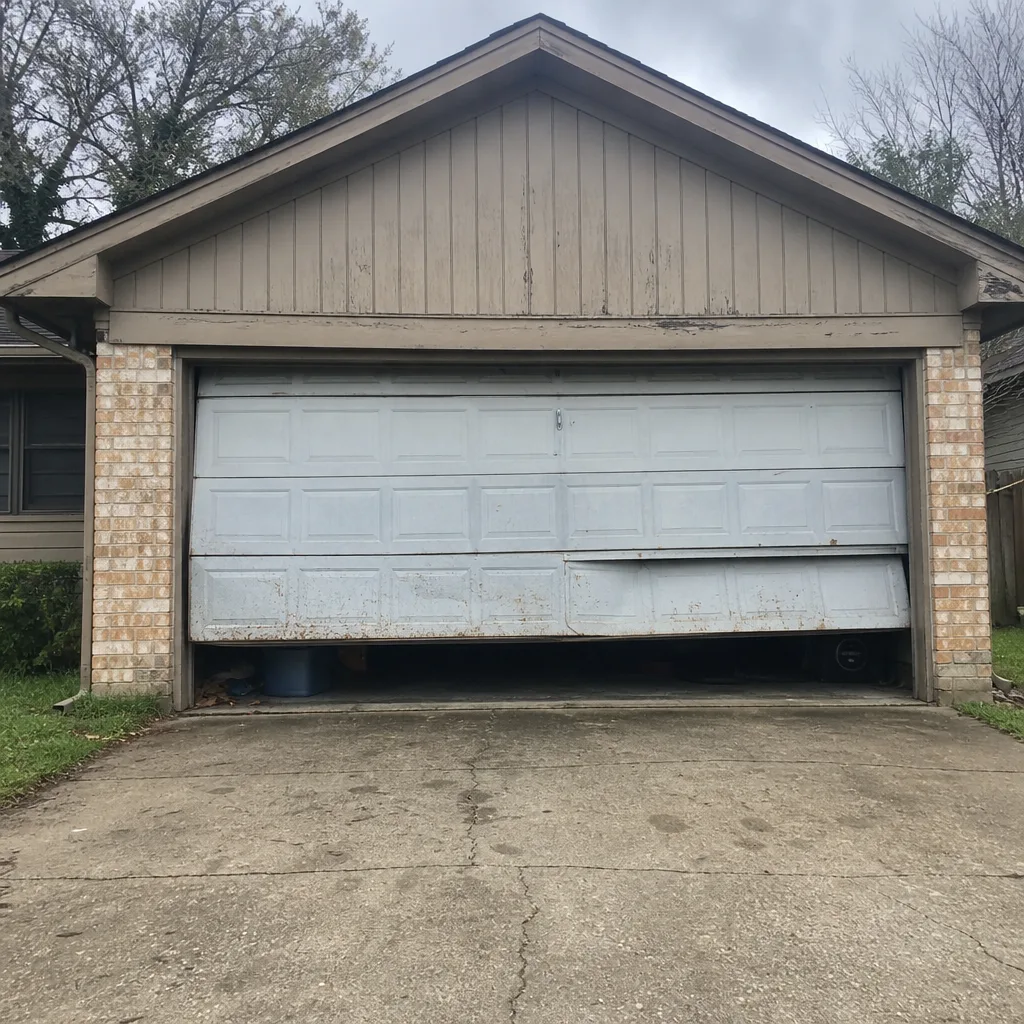 Before
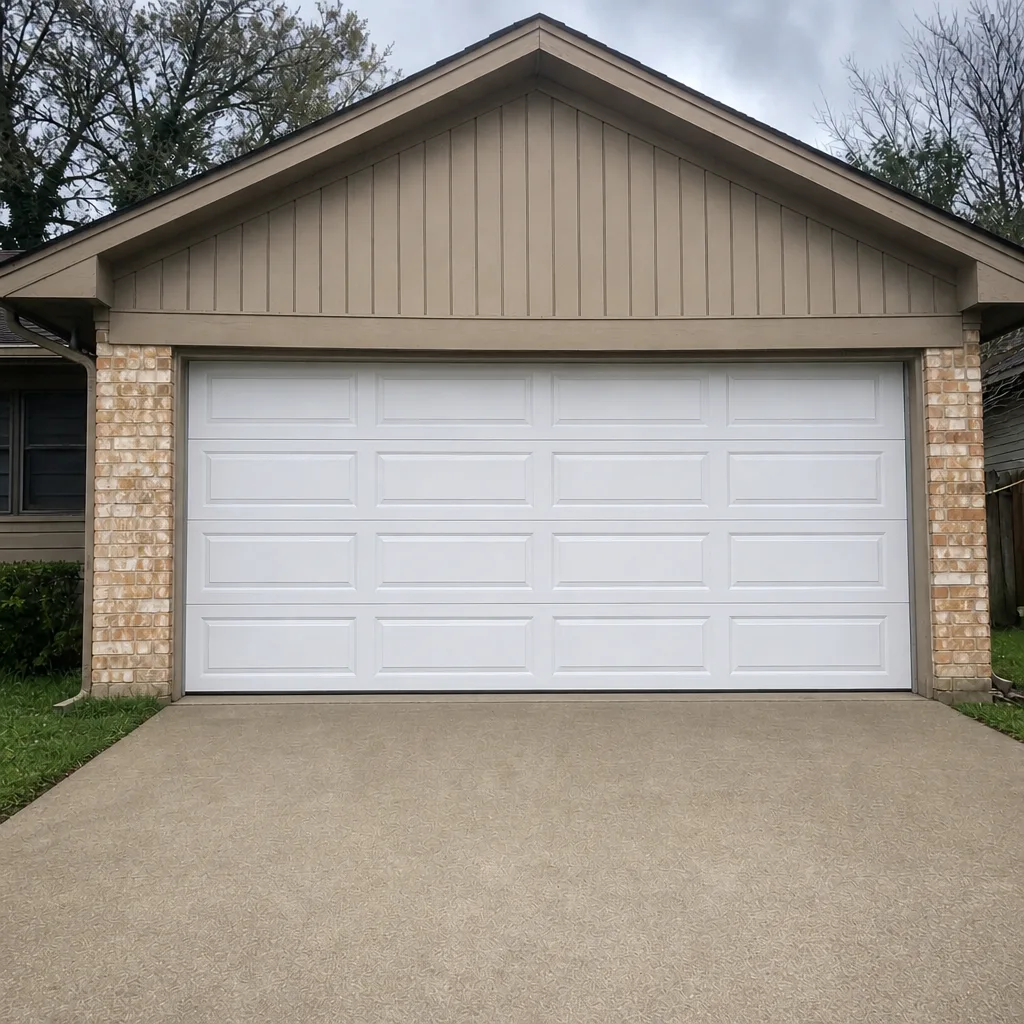 After
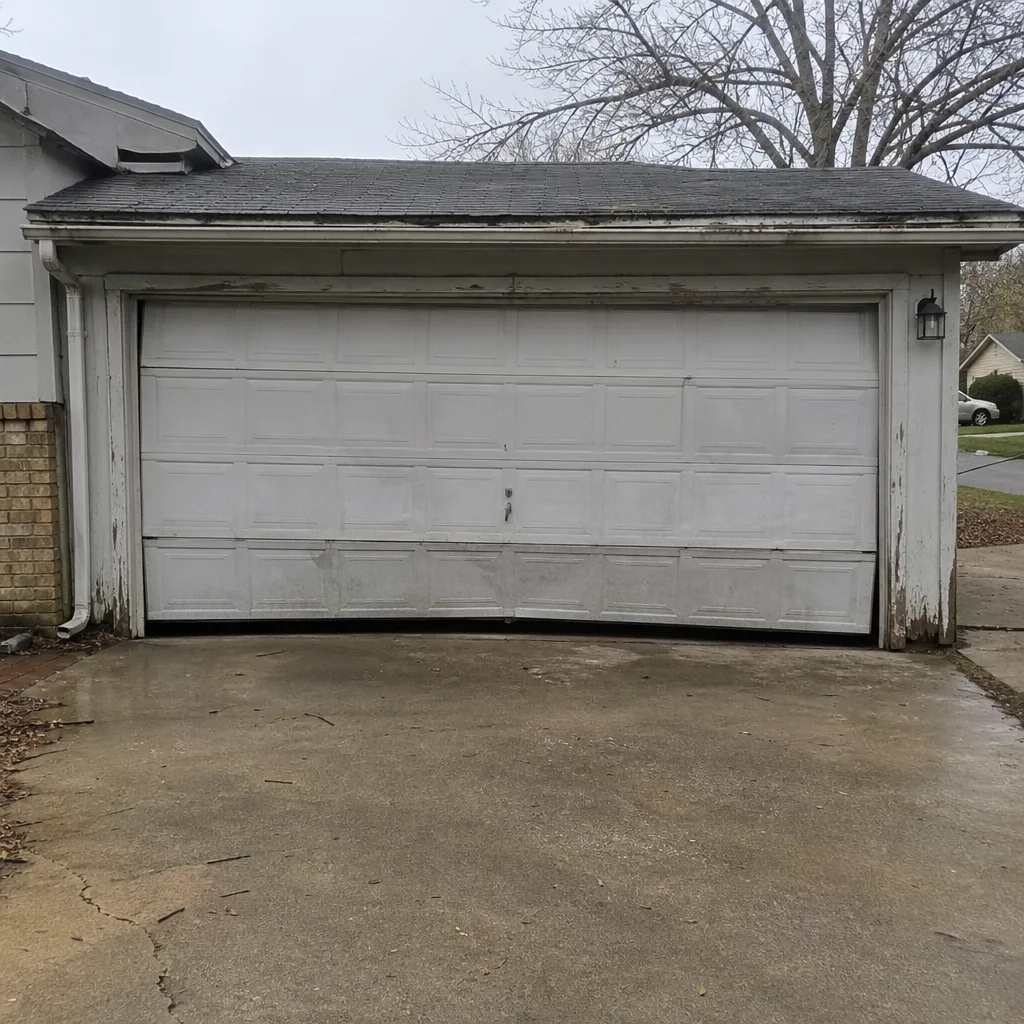 Before
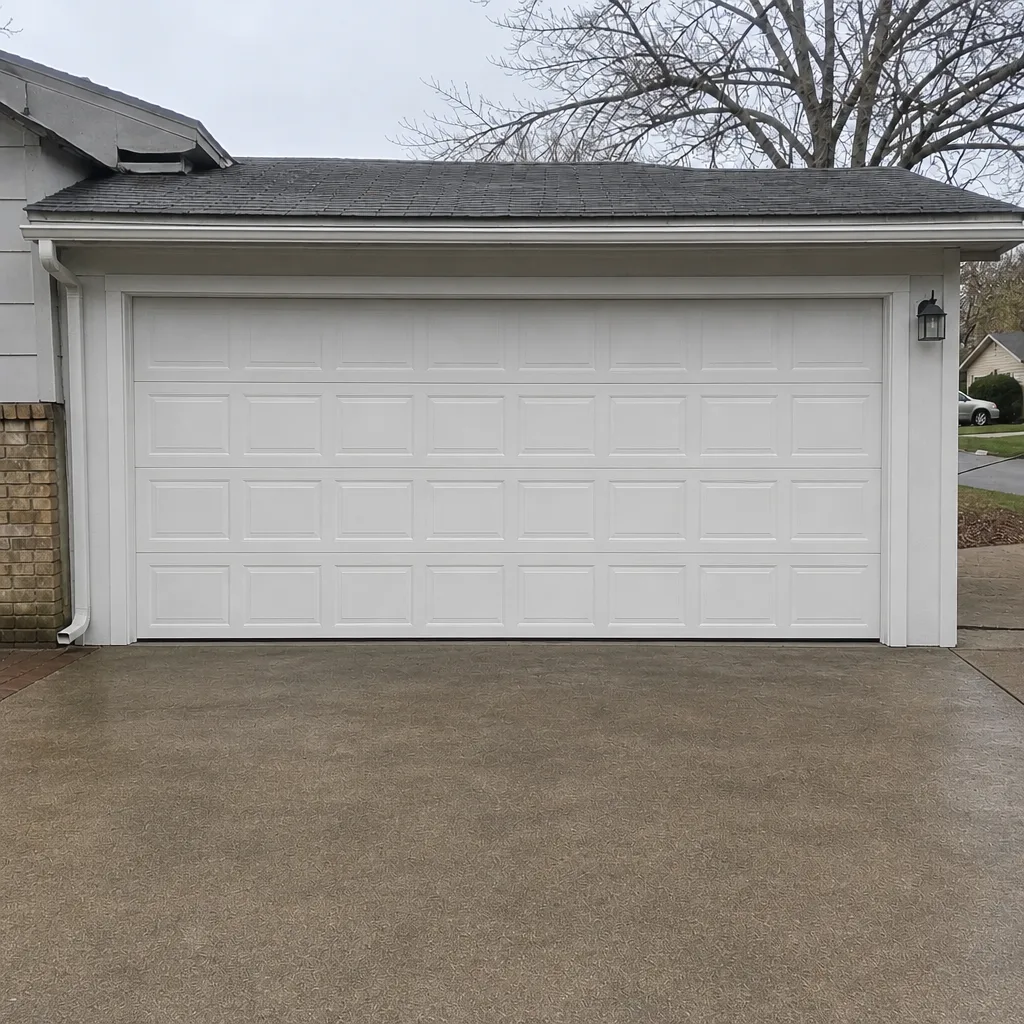 After
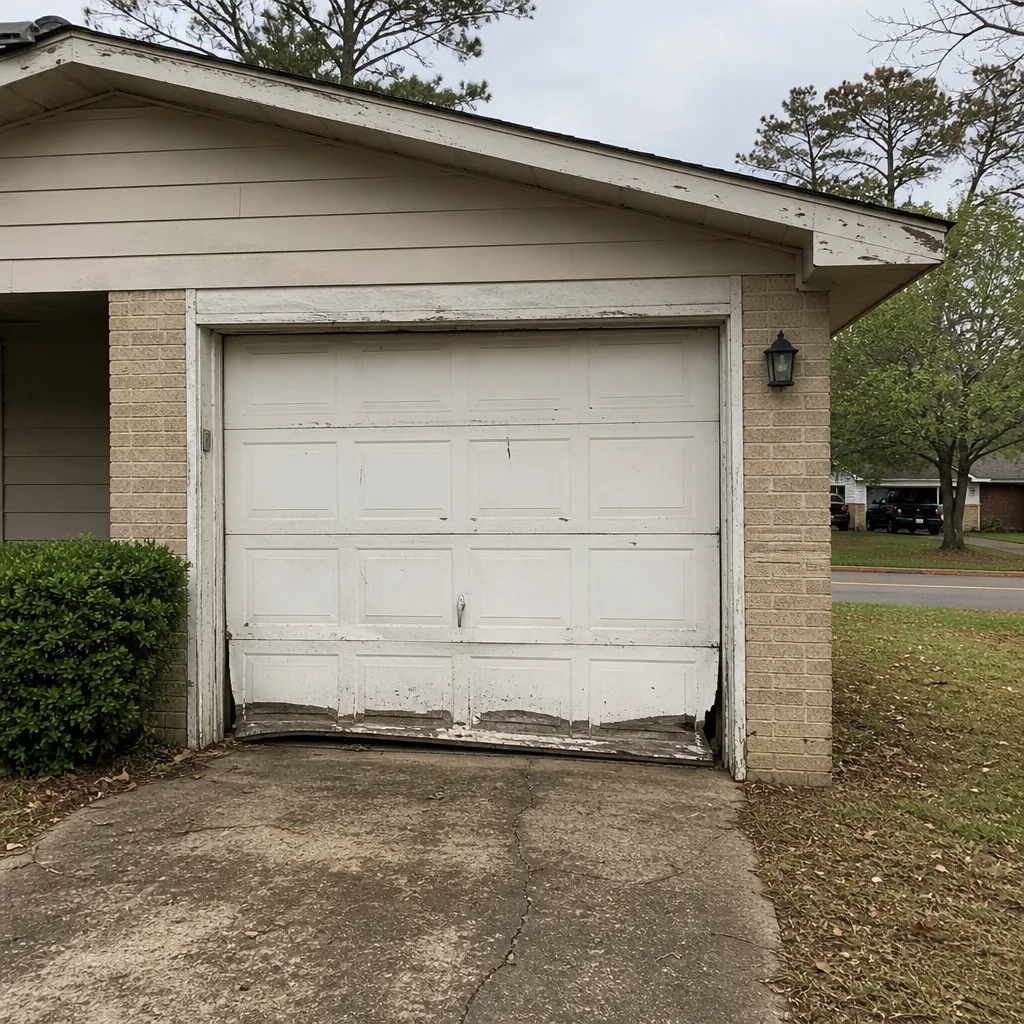 Before
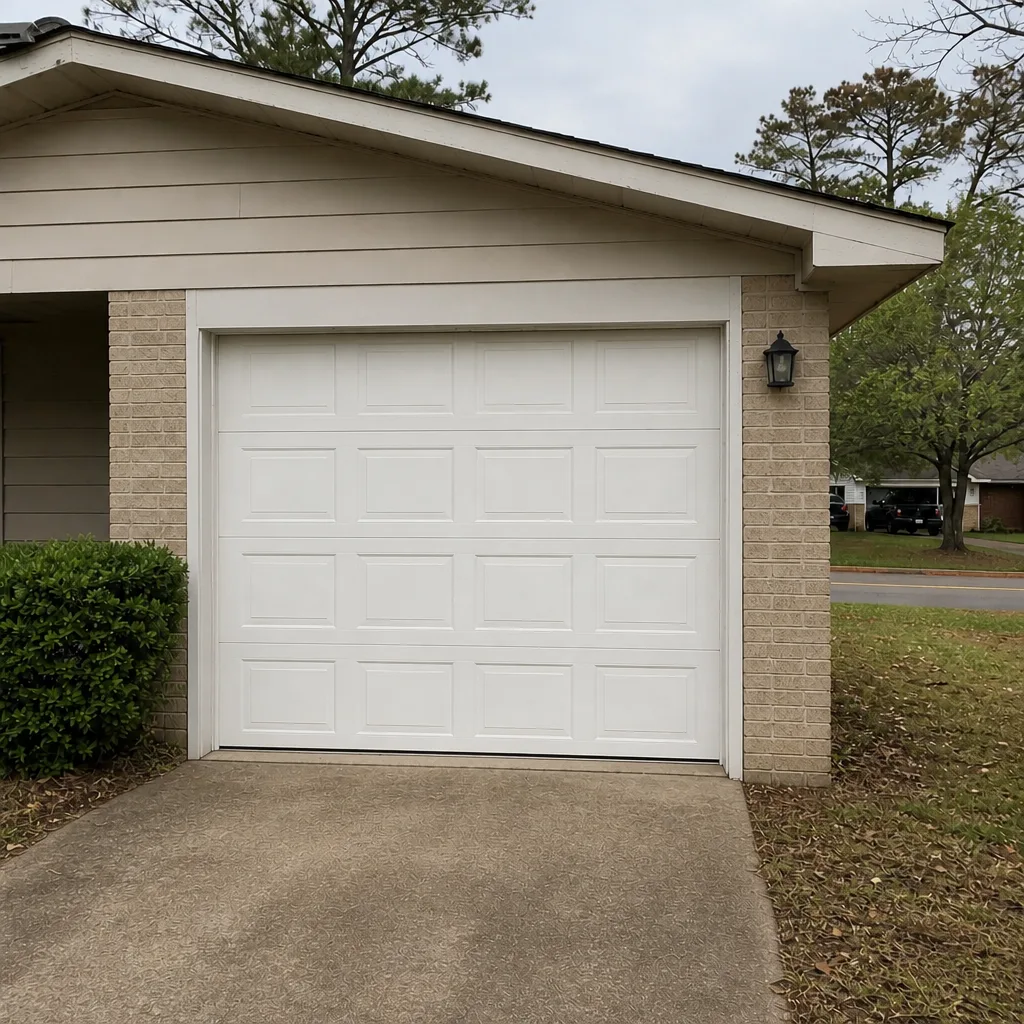 After
When to Call a Professional
Call a professional immediately when there’s a broken spring, a snapped or frayed cable, a door stuck in the open position, or a door visibly off its track. Those four situations involve stored energy or a security exposure that shouldn’t wait. Also call when the door opens but doesn’t close reliably – a door that reverses on close can signal a sensor or safety-reverse failure, which matters for household safety. And call if you’ve adjusted the opener’s force or limit settings more than once to get the door working; repeated adjustments usually mean a balance problem the opener can’t compensate for. Tyler Garage Door Service offers free estimates in Tyler. Call (844) 834-2184. We answer 24/7. Fast dispatch from 7am to 7pm, Sunday through Friday. Pricing is quoted and agreed before any work begins, so there’s no surprise on the invoice.
Frequently Asked Questions
Broken torsion springs top the list. Tyler’s heat cycles work the spring metal harder than a stable climate would, and a spring failure usually shows up as a door that won’t lift or that pops off track.
That’s almost always the safety sensor. Check the photo-eye at the base of the track on each side. A dirty lens or a knocked-out sensor triggers the reversal every time. If the sensors are clean and aligned but it still reverses, the opener’s force setting or logic board is the next suspect. Call (844) 834-2184 for an exact quote if you want a technician to look – estimates are free.
No. Torsion springs hold enormous tension and the wrong move can cause serious injury. That’s the single repair we always recommend leaving to a trained technician. For everything else, the line is usually whether stored energy is involved.
Once a year is a reasonable baseline for most homes, with a lubrication check twice a year. Tyler’s humidity makes annual cable and bottom seal inspections especially worthwhile, even if the door hasn’t had a problem yet.
Not necessarily, but the brand matters for diagnostics. A Chamberlain with a blinking sensor code and a Genie with a similar symptom can have different root causes. We work on Chamberlain, Genie, and all the major systems, so we know what to check first.
We answer 24/7. A call outside dispatch hours is booked into the next opening, Sunday through Friday, 7am to 7pm. If your door is stuck open, secure it manually and keep it secured until we arrive.
The Bottom Line
Garage door troubleshooting in Tyler comes down to diagnosing which of four systems has failed: spring, opener, hardware, or track. Most visible problems – the door off track, the door that won’t lift – start with a spring failure. The one safe test is lifting the door by hand with the opener disengaged. If it’s heavy, the spring system is the problem. If it’s light, look at the opener. DIY is reasonable for lubrication, sensor alignment, and limit tweaks. Spring and cable work belongs with a technician. And no matter what the symptom, the door should leave fixed, not simply quieted. If you’re not sure, Tyler Garage Door Service handles the diagnosis across all the major brands. You can find more detail about our Tyler repair work on the service pages, and our team is ready to help.
If you’re in Tyler and want a straight answer on whether your door needs a repair or just a service, call us. We’ll tell you what we find, in plain terms. Call (844) 834-2184 for a free estimate. We answer 24/7. Fast dispatch from 7am to 7pm, Sunday through Friday. Every price is quoted and agreed before we start work. We work on your brand, and garage doors are all we do.
Written by the team at Tyler Garage Door Service.