
Last updated November 16, 2026
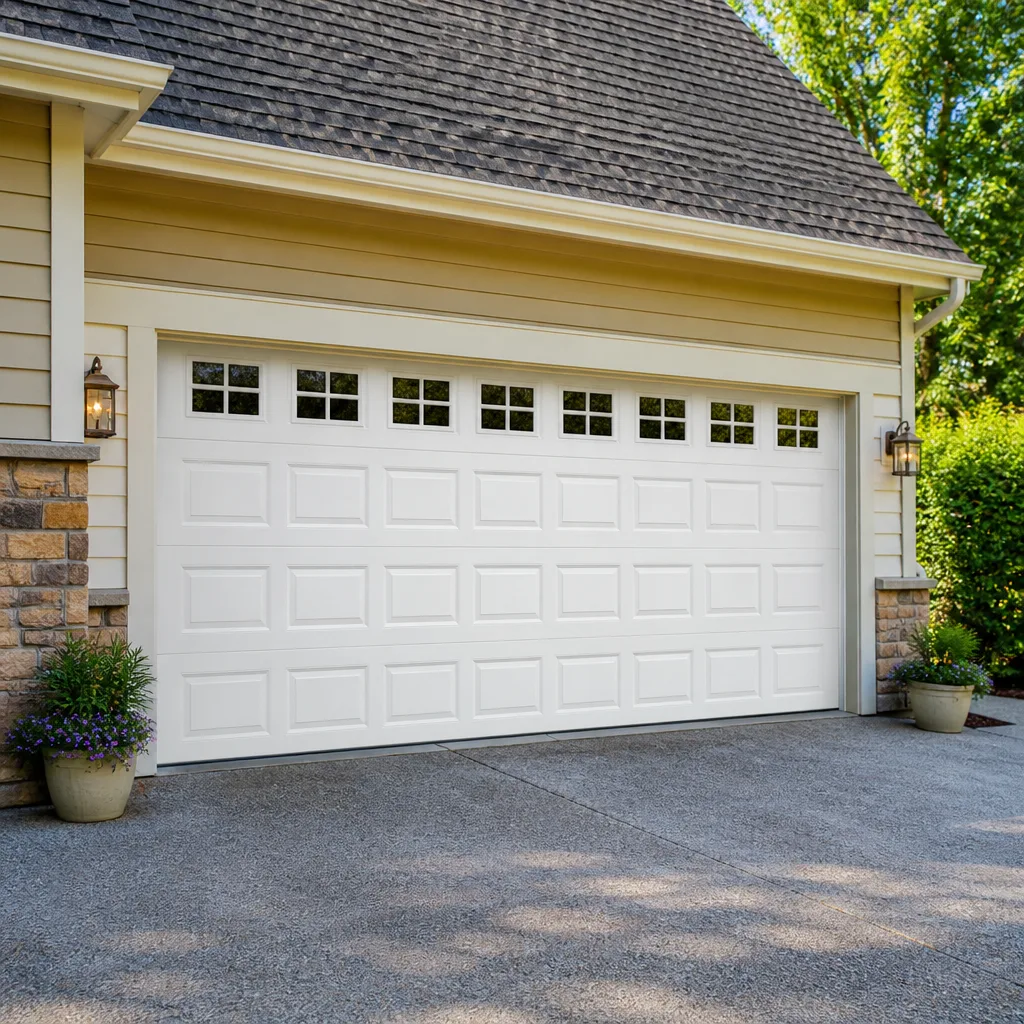 Raised-panel steel
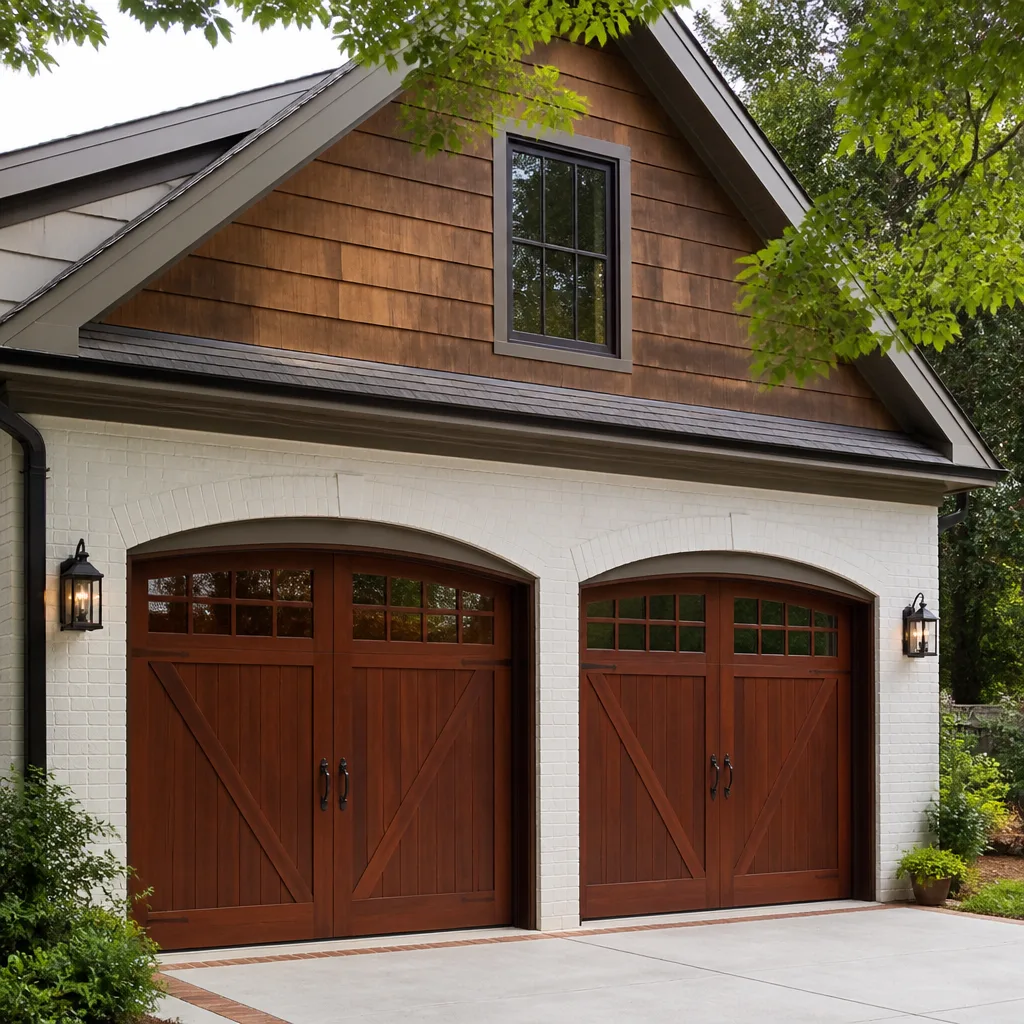 Carriage house
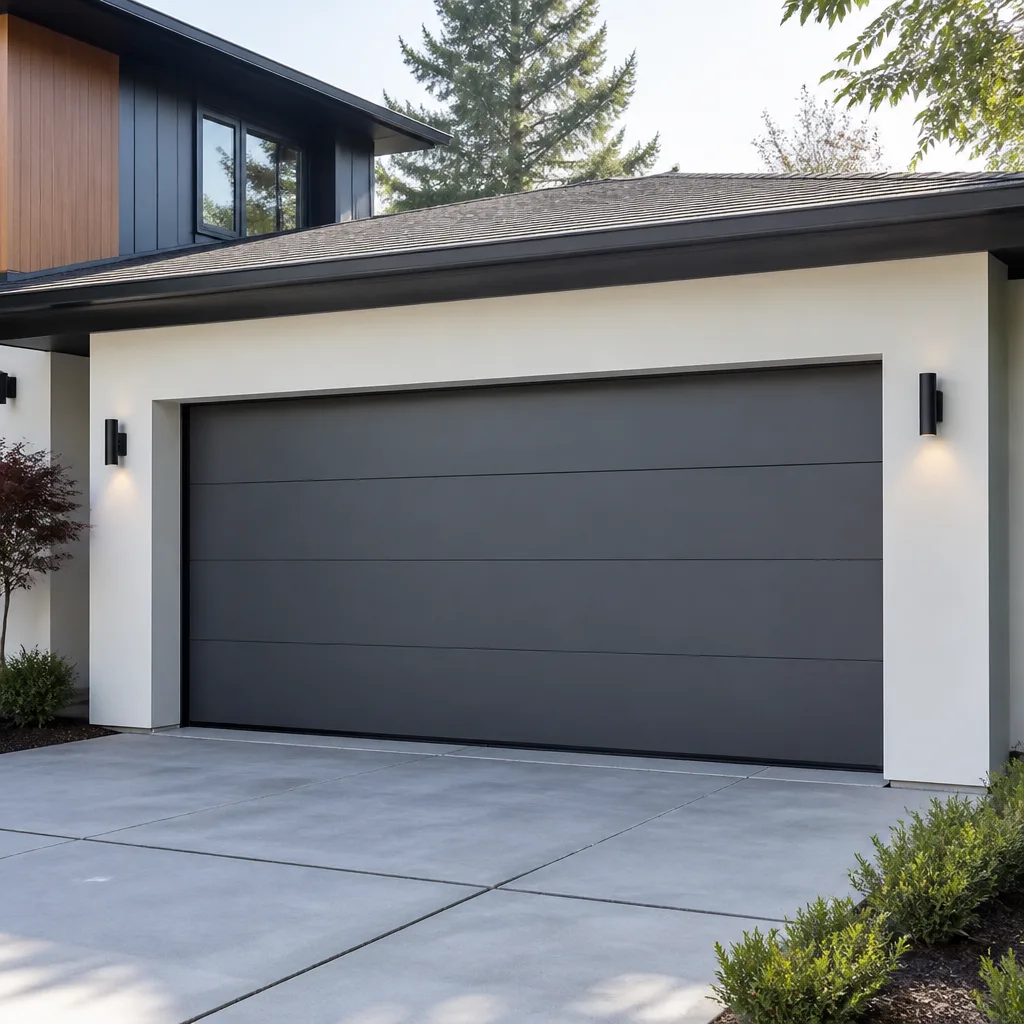 Modern flush
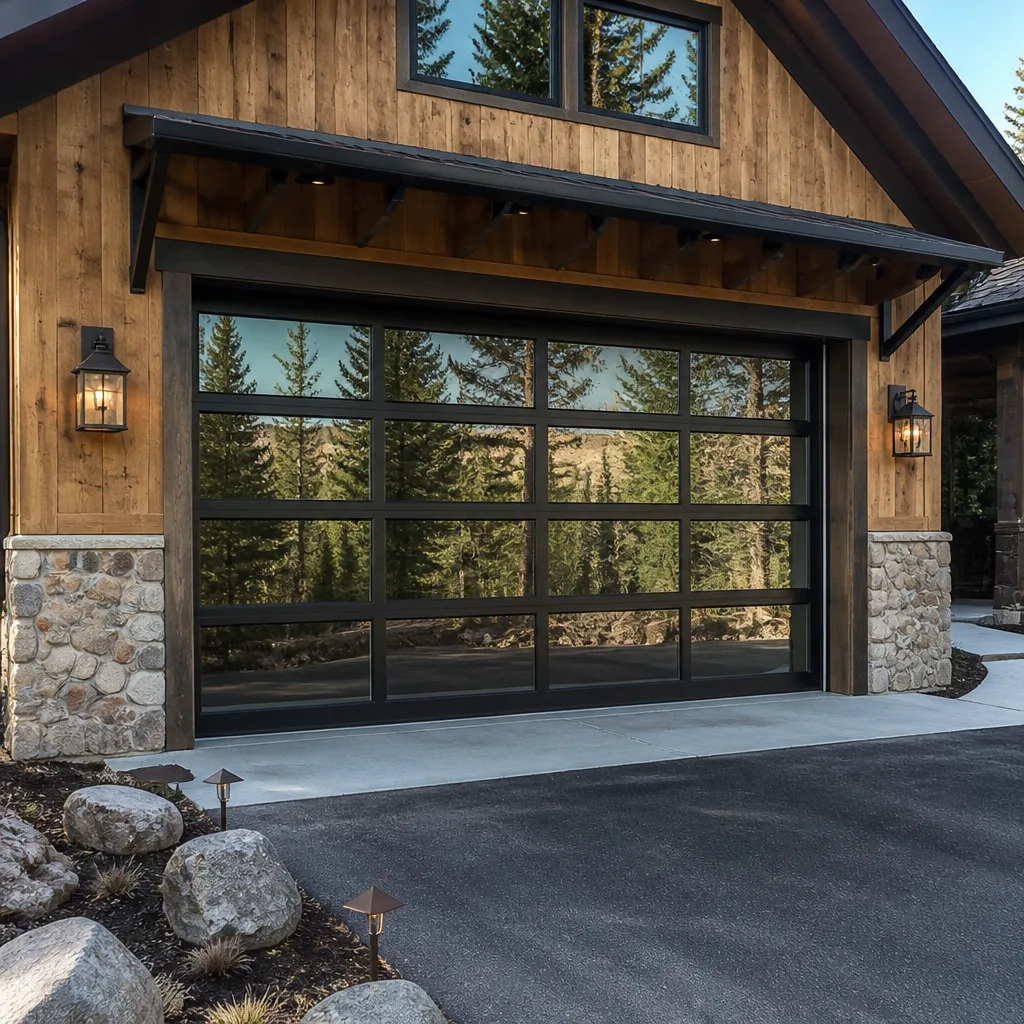 Full-view glass
 LiftMaster openers
 Chamberlain openers
Full 25-point door and opener safety check with every visit - springs, cables, rollers, tracks, and your LiftMaster or Chamberlain opener included
You get a price before we start. It does not change when the pro arrives.
Get your free estimateGarage Door Permits, Codes & Inspections in Tyler, TX: What You Need to Know
A garage door replacement usually doesn’t need a permit in Tyler. Add a new opener circuit, widen the opening, or change the structural header, and you’ve stepped into work that code enforcement and your insurer care about. The line between “just swapping a door” and “altering a structure” is narrower than most homeowners assume, and it’s the source of most of the permit confusion we hear about. This guide maps exactly when permits apply in Tyler and across Smith County, how HOA architectural rules in the area’s bigger subdivisions can go stricter than the code minimum, and what happens at a home sale when garage work was done without one. You’ll come away knowing which garage door projects are routine, which need a permit before the first screw goes in, and which questions to ask your city’s building department before you schedule anything.
Quick Answer
In most Tyler scenarios, replacing a garage door with a same-size unit of the same type does not require a city permit, but changing the opening size, altering the structural header, or adding a new electrical circuit for an opener does. Homes outside Tyler city limits fall under Smith County jurisdiction, and the rules can differ at the margins. When in doubt, call the City of Tyler’s building department or Smith County directly before the job starts, not after.
Styles & brands we work with
- Raised-panel steel
- Carriage house
- Modern flush
- Full-view glass
- LiftMaster openers
- Chamberlain openers
Table of Contents
- What Garage Door Work Needs a Permit in Tyler?
- City of Tyler vs. Smith County: Which Rules Apply to You?
- How HOA Architectural Rules Interact With Code in Tyler Subdivisions
- Wind Load Requirements and When They Apply to Garage Door Replacements
- What a Failed Garage Door Inspection Looks Like on a Home Sale
- What an Inspector Actually Looks At
- The Step-by-Step Process When a Permit Is Required
- When to Call a Professional
What Garage Door Work Needs a Permit in Tyler?
Replacing a garage door with a like-for-like unit typically doesn’t require a city permit in Tyler. Anything that changes the size of the opening, moves or replaces the structural header, or adds a new dedicated electrical circuit for the opener generally does. The distinction matters because the first category is routine maintenance, and the second is construction work that has to pass inspection before it’s considered compliant with Texas building code as applied by the city.
Here’s how the three categories break down in practice:
- Replacement (same-size, same-type): A new door in the existing opening, with the existing track and spring system staying put, is normally permit-free. This is the most common garage door job we handle in Tyler, and it’s what homeowners picture when they call for a quote.
- Structural modification: Widening or raising the opening, replacing the header above the door, or modifying the framing to fit a larger door crosses into structural work. The City of Tyler’s building department will want a permit and an inspection, and in most cases it will want to see plans or a description of the change signed off by someone competent to detail it.
- Electrical: Adding a new dedicated circuit for a garage door opener (as opposed to plugging a new unit into an existing outlet) is electrical work. Most cities require a permit for a new circuit, so ask Tyler’s building department before the electrician shows up. This is also where homeowners get caught off guard: the door swap was simple, but the new opener wiring pulled the whole project under a permit.
One more gray area worth naming: replacing the torsion spring assembly, track, or the full door and opener package in a single project doesn’t change the opening size, and it’s normally still routine work. The permit question turns on whether the structure changes, not on how many parts are involved. If you’re not sure which bucket your job falls into, the cheapest move is a phone call to the city before any materials are ordered.
City of Tyler vs. Smith County: Which Rules Apply to You?
If your home sits inside Tyler city limits, the City of Tyler’s building department handles permits and inspections. If it sits outside the city limits but within Smith County, the county’s rules apply instead, and the same garage door project can therefore have a different permit answer depending on which side of the line your driveway falls on.
In our experience talking with homeowners across the Tyler area, this is where the confusion runs deepest, because the physical distance between two homes can be a few hundred feet and the permitting authority can still be different. A common scenario: a homeowner moves from a house off Broadway inside the city to a place out toward the county, assumes the same rules apply, and schedules structural work without a permit.
How to check which jurisdiction you’re in:
- Look at your property tax statement or closing disclosure. It usually indicates whether your address is inside the city limits.
- Check your water and sewer provider. City of Tyler utilities generally mean city jurisdiction; a rural water supply corporation often means county.
- Call the City of Tyler building department and give them your address. They’ll tell you in a minute whether they permit your address or whether it’s a Smith County matter.
- If it’s the county, call Smith County’s permitting office and ask the same question about your specific project.
- Write down who you spoke with and what they said. If the answer shows up in a future inspection, having a record saves time.
The larger point is that jurisdiction is address-specific, not general knowledge. Never assume a rule you read about online (or heard from a neighbor) applies to your parcel. Verify it for your exact address before the job is scheduled.
How HOA Architectural Rules Interact With Code in Tyler Subdivisions
Your HOA’s architectural rules can be stricter than the city code, and in Tyler’s larger master-planned subdivisions they often are. The city cares about safety and structural integrity; the HOA cares about the look of the neighborhood, which means door style, color, window patterns, and sometimes the brand and material of the replacement. A door that passes city inspection can still be a violation of your HOA’s architectural guidelines.
Where this creates real problems:
- Color and finish: Many HOAs require a specific palette. A door that’s technically the same model as your neighbor’s but a shade off can trigger a compliance letter.
- Window and panel patterns: Some neighborhoods standardize on a particular window layout. A door with the wrong pattern is visible from the street and often flagged by a neighbor before the HOA even notices.
- Material changes: Swapping a wood door for steel, or vice versa, sometimes needs prior HOA approval regardless of what the city allows.
- Opener visibility: A few HOAs specify that the opener motor and rail be concealed or of a certain type, which affects which LiftMaster or Chamberlain model you can install.
The practical advice: check your HOA’s architectural rules before you pick a door, not after. Most HOAs have a simple approval form, and getting the sign-off in writing before ordering keeps a straightforward replacement from turning into a fight. We routinely see homeowners choose a Raynor or Clopay model that satisfies both the HOA look and the city’s structural requirements, but that requires knowing both sets of rules first.
Wind Load Requirements and When They Apply to Garage Door Replacements
Texas building code includes wind load provisions for structures, and while East Texas doesn’t face the coastal wind risk that drives the strictest requirements, the code question still comes up for garage doors because the garage door is the largest opening in the building envelope. When a garage door replacement also involves structural changes (moving the header, widening the opening, or replacing the framing around it), wind load is part of what the inspector evaluates. A like-for-like door swap in an existing opening generally does not trigger a new wind load review.
What this means in plain terms:
- Straight replacement: If you’re putting a new door into the existing frame and nothing structural changes, wind load is typically not a fresh issue. The door needs to be rated and installed correctly for its size and the manufacturer’s specifications.
- Structural modification: When the header or framing changes, the inspector will look at whether the new assembly meets the code’s wind provisions for your area. This is where having the work detailed properly matters.
- Manufacturer documentation: Door manufacturers like Clopay and Raynor publish wind load ratings for their products. Keep the documentation. It’s the fastest way to answer an inspector’s question and it’s useful at resale.
We always tell Tyler homeowners the same thing: the door you buy should match the wind rating of the door it’s replacing unless the structure itself is being reinforced. A general contractor or a licensed engineer can detail the requirements for your specific property if you’re making structural changes. For a straightforward replacement, the manufacturer’s rating and the installation specs are what matter.
What a Failed Garage Door Inspection Looks Like on a Home Sale
Unpermitted garage door work surfaces most often during a home sale, and the disclosure it creates can slow a transaction down. The typical pattern is this: a previous owner widened the opening, added an opener circuit, or changed the header without a permit, and the buyer’s inspector catches it. Now the seller has to either get the work permitted retroactively (which sometimes means opening up walls), negotiate a credit, or deal with an insurance question if the buyer’s lender flags the unpermitted work.
In our experience in Tyler, the three scenarios that cause the most trouble are:
- A widened opening without a permit. The buyer’s inspector notices the framing doesn’t match the original construction, asks for the permit, and the seller can’t produce one. This can hold up closing while a retroactive permit is applied for and inspected.
- A new opener circuit that was never permitted. Electrical permits are easy to skip and easy to catch. The inspector traces the new circuit, sees there’s no permit record, and flags it.
- A structural header change done as “just a door swap.” This is the hardest to unwind, because the work is behind drywall and the buyer’s inspector may recommend a structural evaluation to confirm the header is sound.
The insurance side is similar. If a claim ever involves water intrusion or wind damage around the garage opening and the insurer discovers unpermitted structural work, the claim can become complicated. That doesn’t mean every unpermitted door causes a denial, but it does mean the paperwork matters at the worst possible moment. Keeping the permit record and the manufacturer documentation in the same folder as your closing papers is a small habit that pays off later.
What an Inspector Actually Looks At
When a garage door installation or structural modification does require an inspection, the inspector’s focus is narrower than most homeowners expect. It isn’t a general review of the whole property. It’s a check that the work matches the permit, meets the applicable code, and is safe.
What typically gets examined:
- The header and framing: If structural work was permitted, the inspector verifies the header size and attachment match the approved description.
- The opening dimensions: Does the finished opening match the permitted dimensions, and does the door fit correctly within it?
- Fastening and attachment: The track, the door brackets, and the torsion system all need to be fastened into framing, not drywall or sheathing.
- Electrical connections: For a permitted opener circuit, the inspector verifies the wiring, the outlet or hardwired connection, and that the work meets electrical code.
- The safety reverse: Openers with a safety reverse feature are function-tested. This is why we always re-test the reverse after an installation, and why it’s the first thing we check on any opener we look at.
- Documentation: The permit, the manufacturer’s product specs and wind rating, and any engineer’s letter (if structural) should be on hand.
The safety reverse test deserves a word of caution. The torsion springs and the tensioned cables that hold a garage door up are genuinely dangerous. They store enough energy to cause serious injury if handled without the right tools and training. We do not recommend anyone adjust or replace springs or cables themselves; this is professional work, and the safety reverse test and the spring hardware should be checked by someone who knows what they’re looking at. Our technicians have up to 8 years of experience with spring systems, openers, and the full door assembly, and we can tell you quickly whether a given issue is an adjustment or a replacement.
The Step-by-Step Process When a Permit Is Required
If your project does need a permit, the process in Tyler is straightforward but sequential. Skipping a step is what creates the home sale problems covered above.
- Confirm jurisdiction. Call the City of Tyler or Smith County, depending on your address, and confirm which authority permits your project.
- Describe the work accurately. Tell the permitting office exactly what’s changing: door size, header work, electrical, etc. The permit application needs to match reality.
- Submit the application. Include plans or a detailed description as required, and the manufacturer’s product documentation for the door and opener.
- Schedule the inspection after the work. The inspection has to happen before the project is closed out. Don’t schedule it before the installation is complete and the door is operational.
- Keep the records. The signed-off permit and the manufacturer’s documentation belong with your closing papers, not in a drawer somewhere. If you ever sell, this is the moment the paperwork proves its worth.
For homeowners who suspect a prior owner left unpermitted garage door work behind, the process is similar but usually starts with a conversation with the city about retroactive permitting. That can be simpler than expected for a door swap and more involved for a header change. It’s always better to ask before the buyer’s inspector does.
See the difference
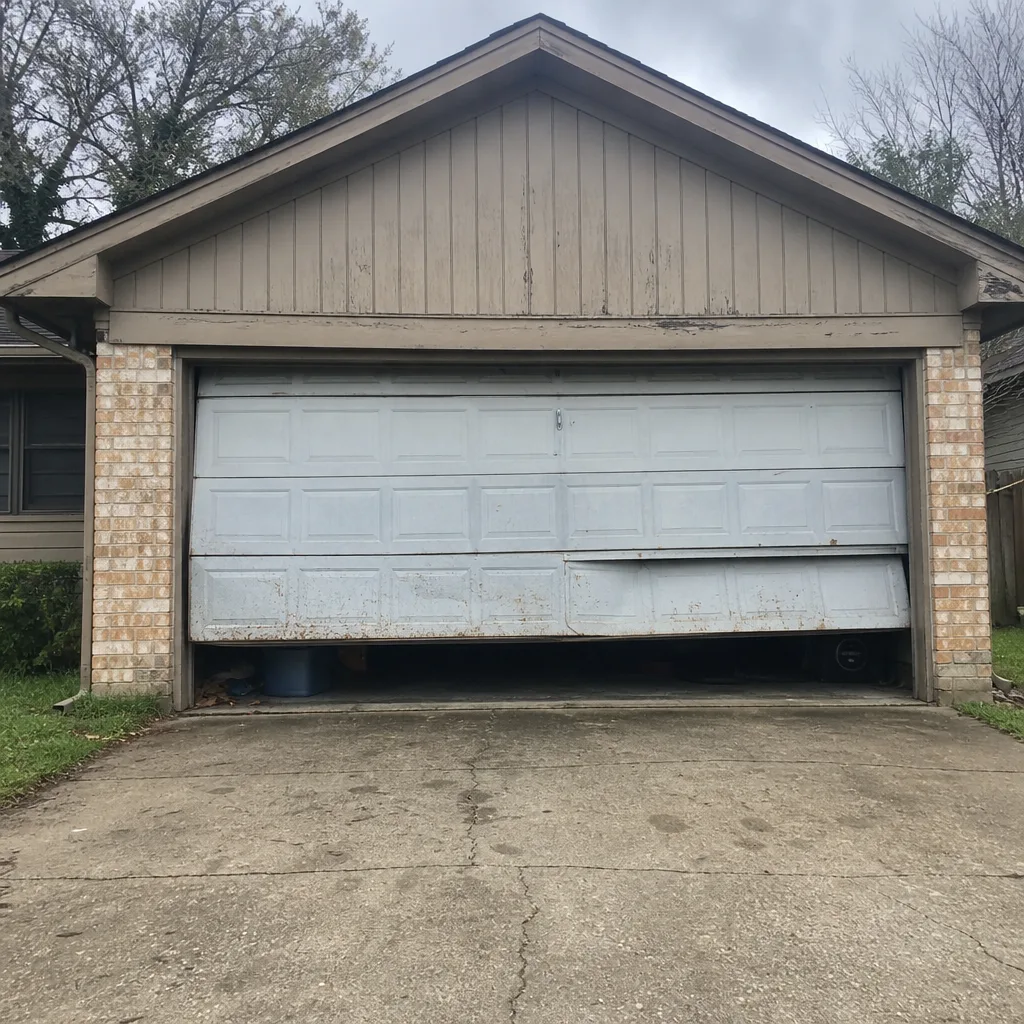 Before
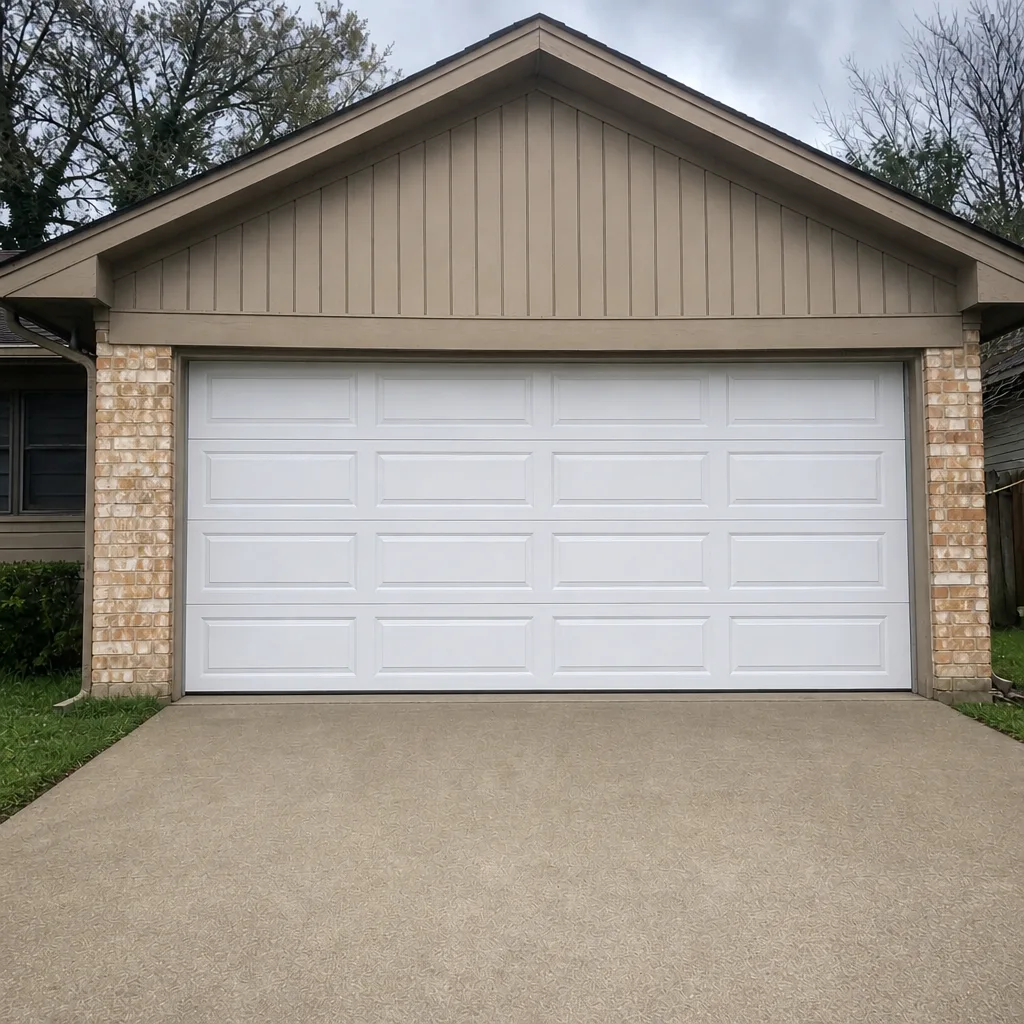 After
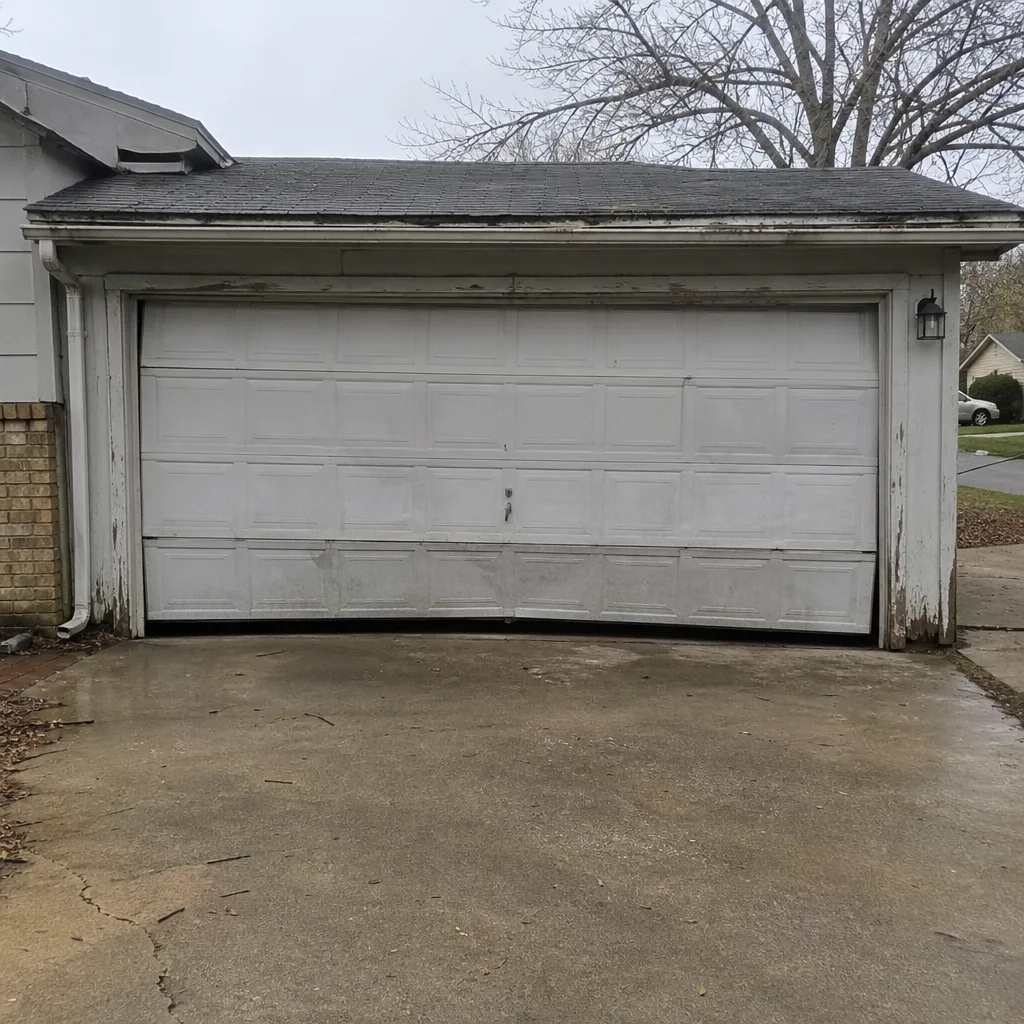 Before
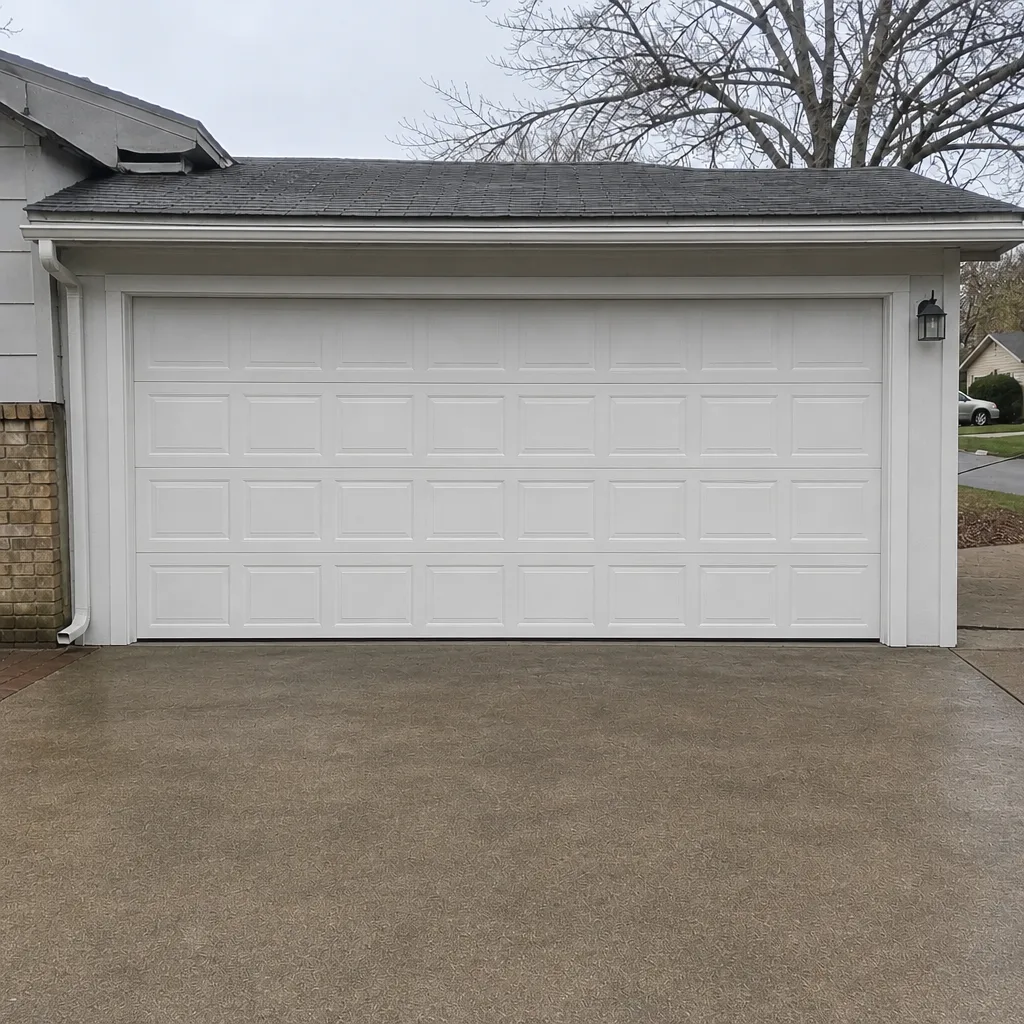 After
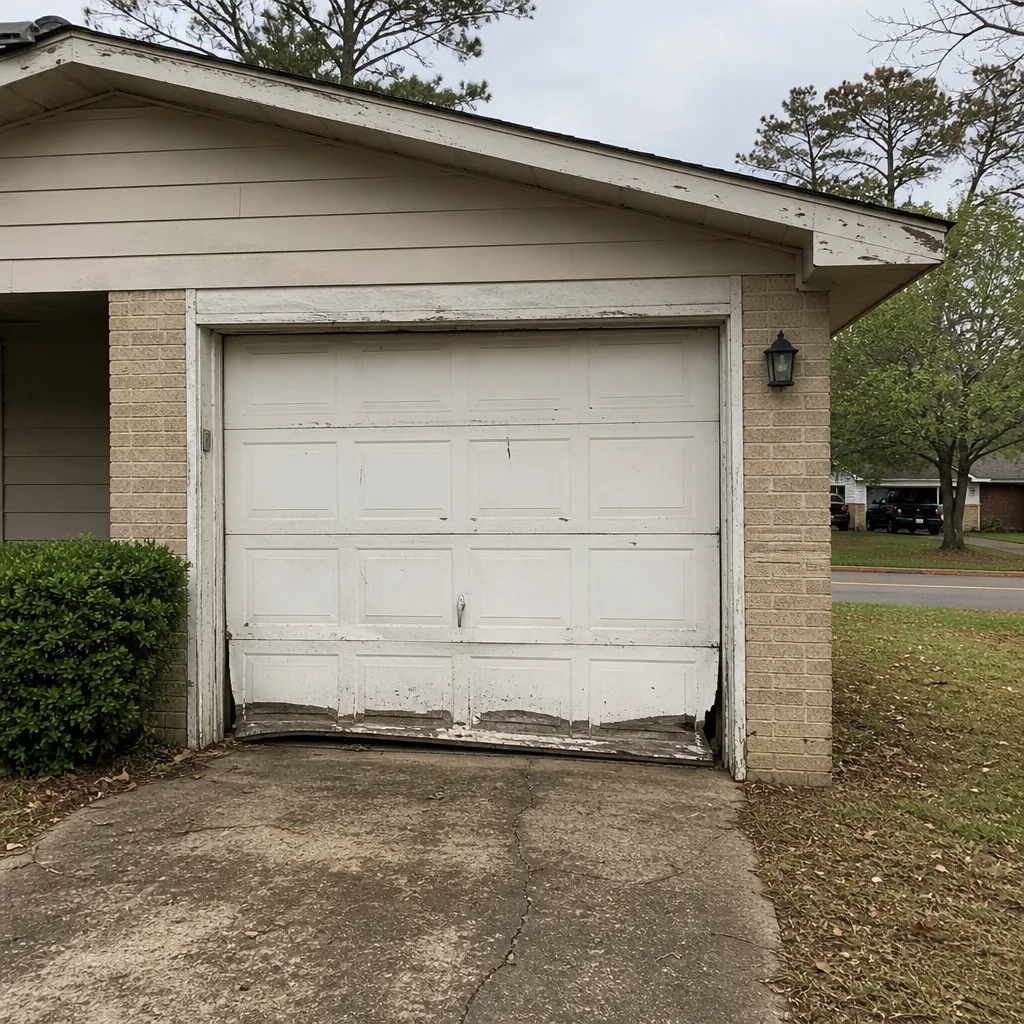 Before
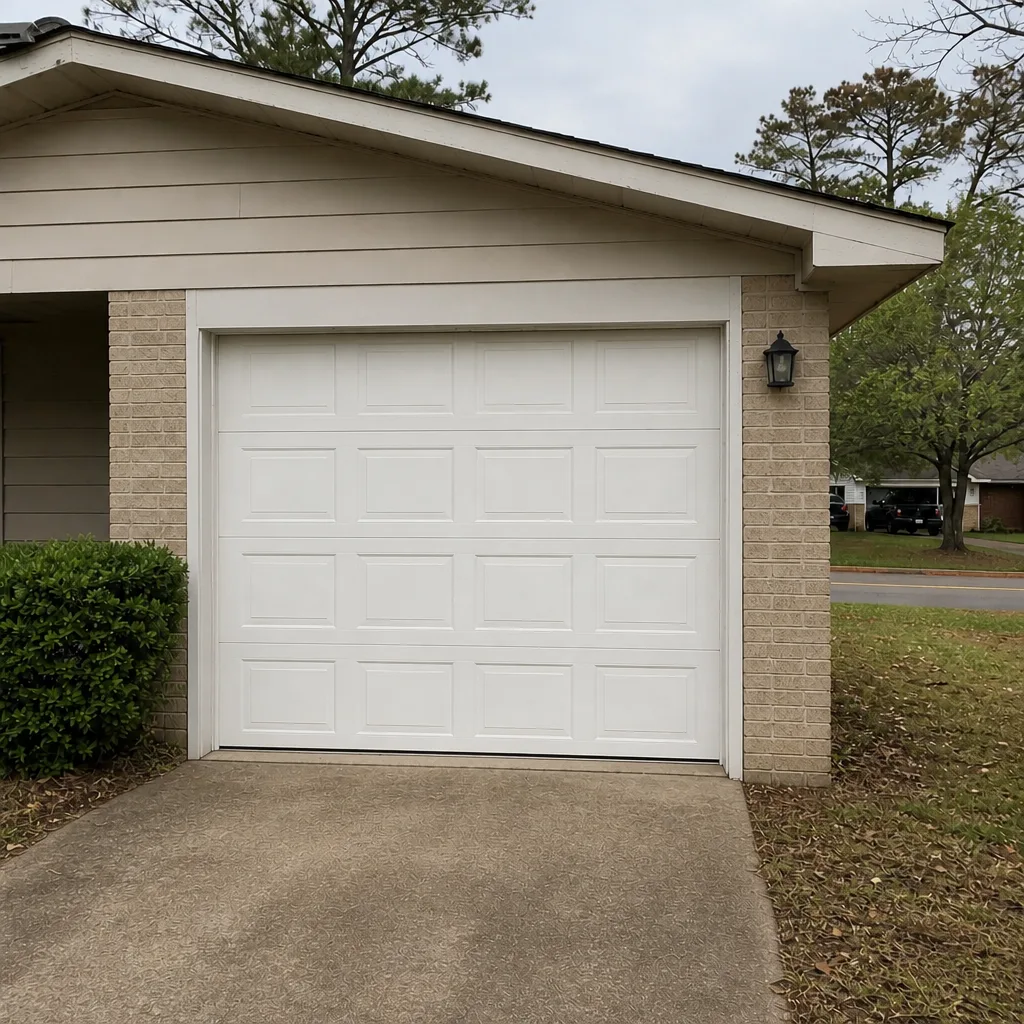 After
Common Mistakes to Avoid
- Assuming every door swap needs a permit. A like-for-like replacement in the existing opening generally doesn’t. Over-permitting wastes time and money; verify the category first.
- Assuming no garage door project ever needs a permit. Widening the opening, changing the header, or adding an opener circuit is a different story. Those are exactly the projects that get flagged at resale.
- Forgetting about the HOA until after the door is ordered. Tyler’s larger subdivisions often require architectural approval before installation. A door that passes city inspection can still fail an HOA review.
- Trusting a neighbor’s permit advice. Jurisdiction is address-specific. A rule that applies on one side of the county line may not apply on the other.
- Skipping the manufacturer documentation for wind load. The product rating is the fastest way to answer an inspector’s question and the easiest piece of evidence to lose.
- Letting a non-specialist handle spring or cable work. The torsion system stores dangerous energy. This is the one part of the job where a generalist is the wrong choice.
- Losing the paperwork. The permit, the product specs, and the installation record belong with your home sale documents, not in a box in the garage.
When to Call a Professional
Call a professional when the project involves anything beyond a like-for-like replacement: a widened opening, a header change, a new opener circuit, or a torsion spring or cable issue. Call us as well when you’re not sure which category your project falls into, because that determination is quick and it’s the difference between a routine job and a permitting headache. We know the door and the opener as one system, and we’re familiar with the specifics of the major brands most Tyler homes run – LiftMaster, Chamberlain, Genie, Clopay, Amarr, Wayne Dalton, Craftsman, and Raynor. We handle garage door repair, garage door opener repair, and new installation, and we can point you toward the right permitting authority for your address. Free estimates in Tyler are available – call (844) 834-2184. We answer 24/7. Fast dispatch from 7am to 7pm, Sunday through Friday.
Frequently Asked Questions
In most cases, no. Replacing a garage door with a same-size unit in the existing opening generally doesn’t require a City of Tyler permit. If the project changes the opening size, alters the structural header, or adds a new electrical circuit for the opener, a permit is typically required. Call (844) 834-2184 for an exact quote on the work itself – estimates are free.
It can. If your home is outside Tyler city limits but within Smith County, the county’s permitting rules apply instead of the city’s, and the same garage door project can have a different permit answer depending on your address. Verify your jurisdiction with your tax statement or by calling the appropriate office, and call (844) 834-2184 if you’d like us to help you figure out which authority to contact.
No, but they can be stricter than the code. The city cares about safety and structure; your HOA cares about appearance. A door can pass city inspection and still violate your HOA’s architectural guidelines, so get the HOA’s approval in writing before ordering the door. Call (844) 834-2184 if you want to talk through which brand and model options fit both sets of rules.
It often does. Buyer’s inspectors look at exactly the areas unpermitted work hides in: framing, electrical, and structural headers. When the permit record is missing, the sale can stall while retroactive permitting is handled. If you suspect prior unpermitted work, deal with it before you list, and call (844) 834-2184 to have the door and opener assessed first.
It’s a manufacturer’s rating that documents how a door performs under wind pressure, and for a straight like-for-like replacement, the new door’s rating should match the old one. If your project involves structural changes to the header or framing, wind load becomes part of the inspection, and the manufacturer’s documentation (like the wind rating Clopay or Raynor publishes) is the fastest way to answer the inspector’s question. Call (844) 834-2184 if you want help interpreting the rating on your specific door.
Our technicians are experienced professionals, and we’re glad to discuss credentials and coverage directly before any work begins. Our technicians have up to 8 years of experience with the major brands, and we handle the door and the opener together as one system. Call (844) 834-2184 for a free estimate – the price is quoted and agreed before any work starts.
The Bottom Line
Most garage door replacements in Tyler don’t need a permit. The exceptions – structural header changes, opening modifications, and new opener circuits – are specific and consequential, and they’re the ones that surface at resale or on an insurance claim. Verify your jurisdiction (City of Tyler or Smith County) by address, check your HOA’s architectural rules before choosing a door, and keep the manufacturer’s wind load documentation with your closing papers. For anything beyond a like-for-like swap, call us first. Tyler Garage Door Service handles repair, opener repair, and installation on the major brands, and we’ll tell you what the job actually involves before you commit. Call (844) 834-2184 for a free estimate. We answer 24/7. Fast dispatch from 7am to 7pm, Sunday through Friday.
Written by the team at Tyler Garage Door Service.