
Last updated November 16, 2026
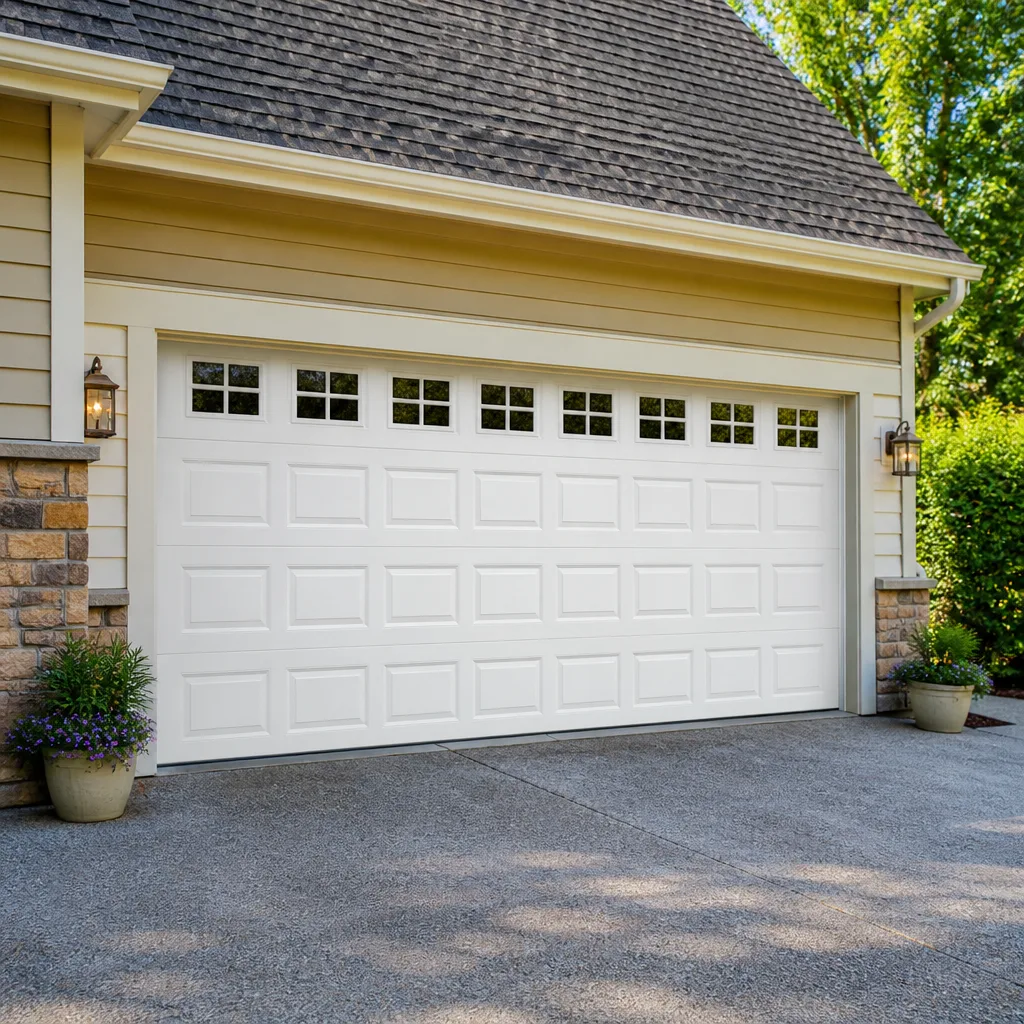 Raised-panel steel
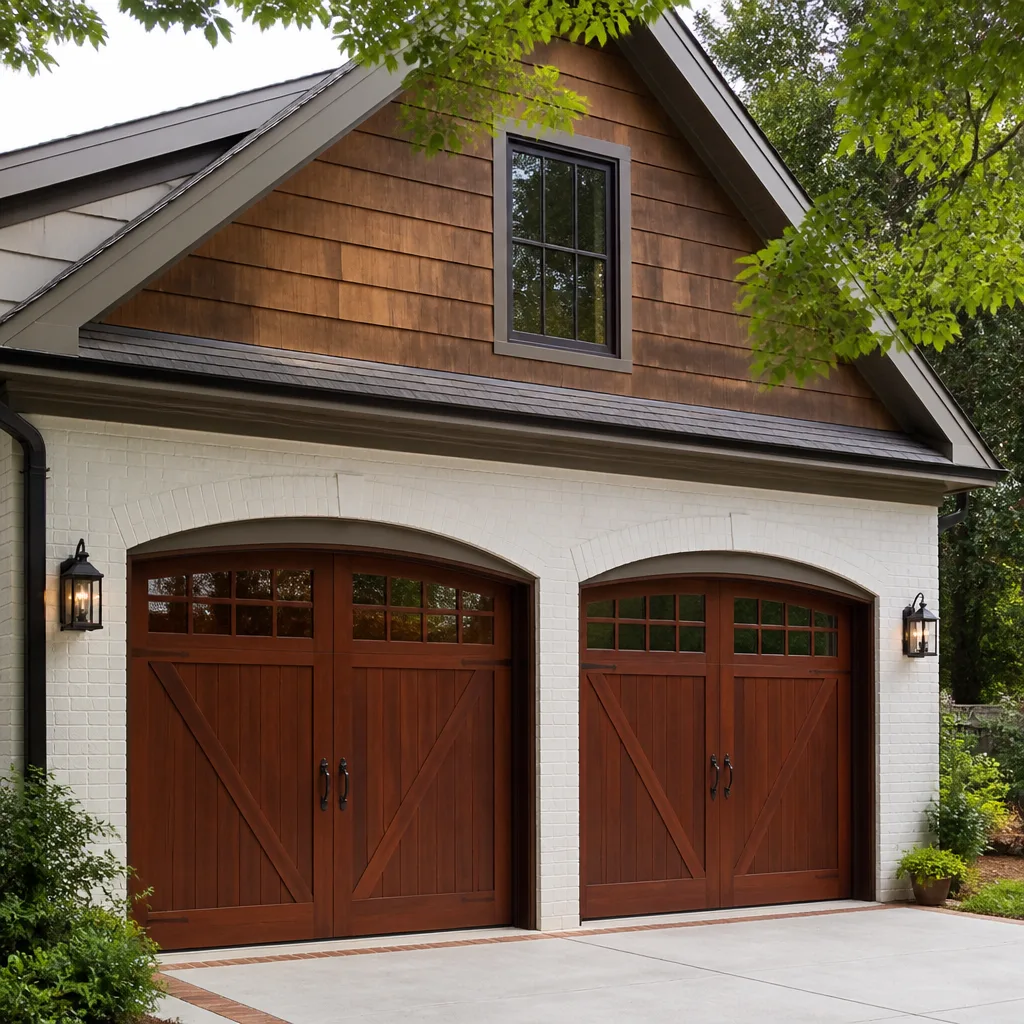 Carriage house
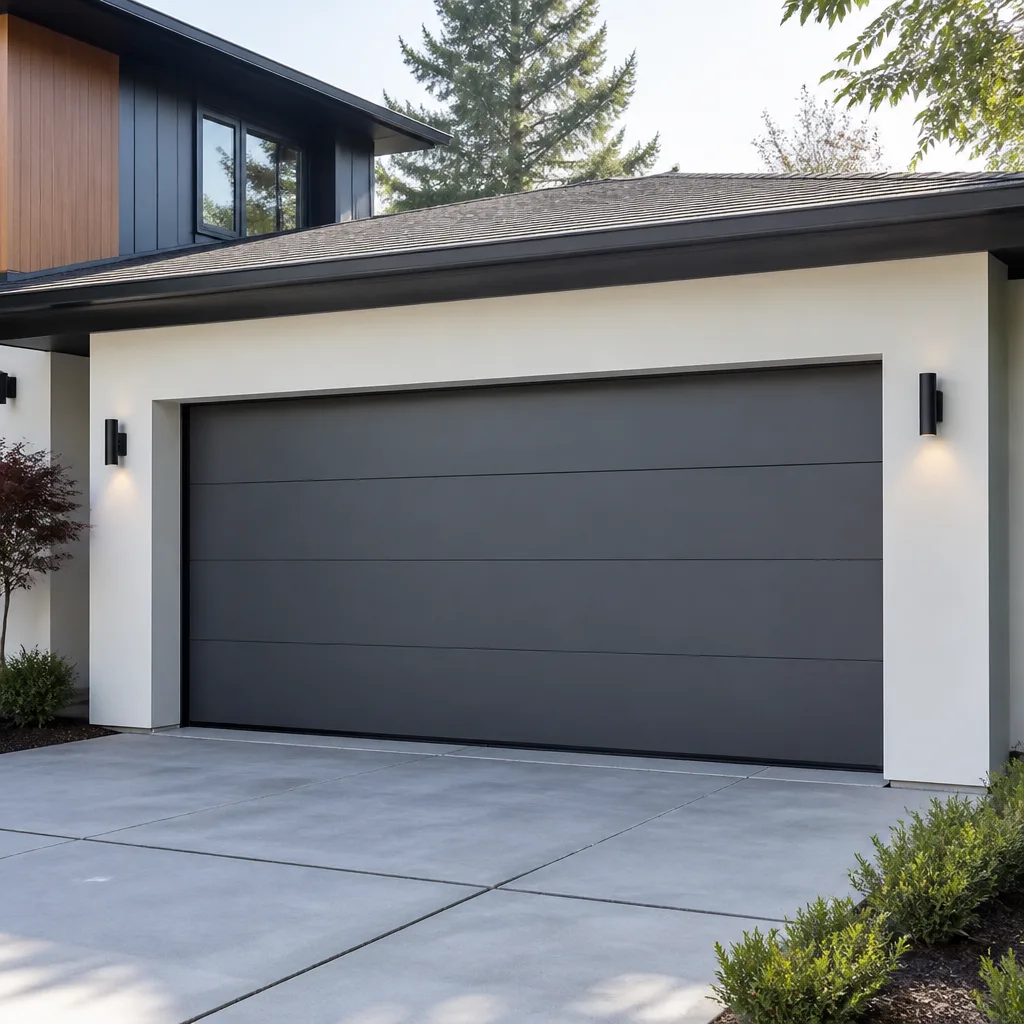 Modern flush
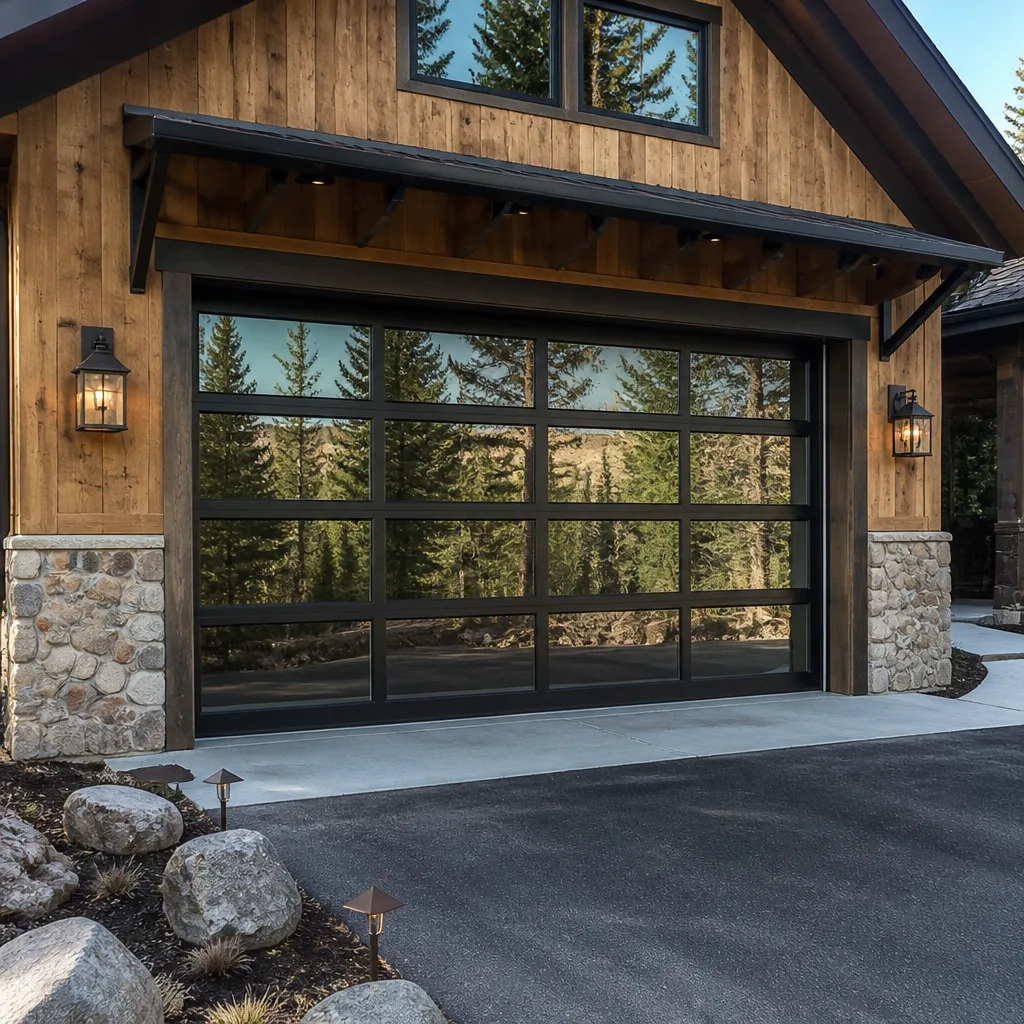 Full-view glass
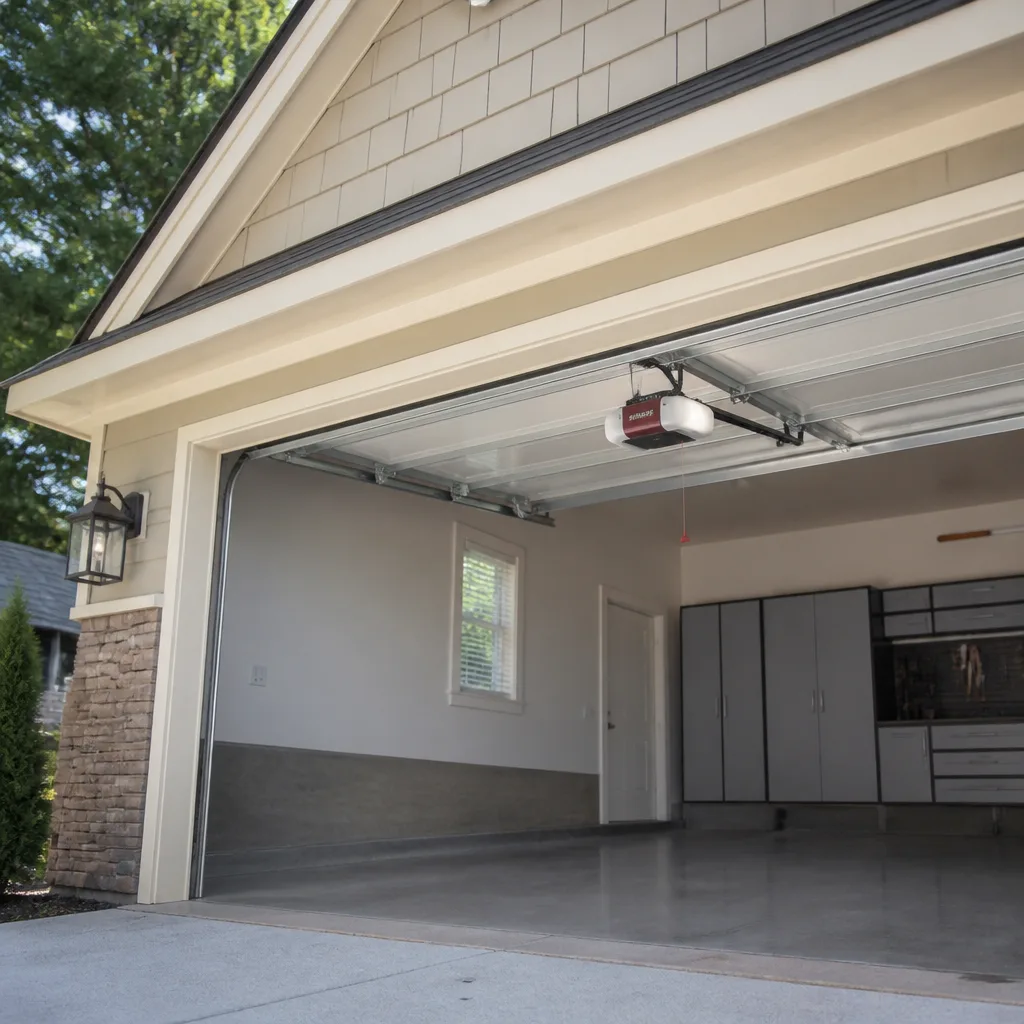 LiftMaster openers
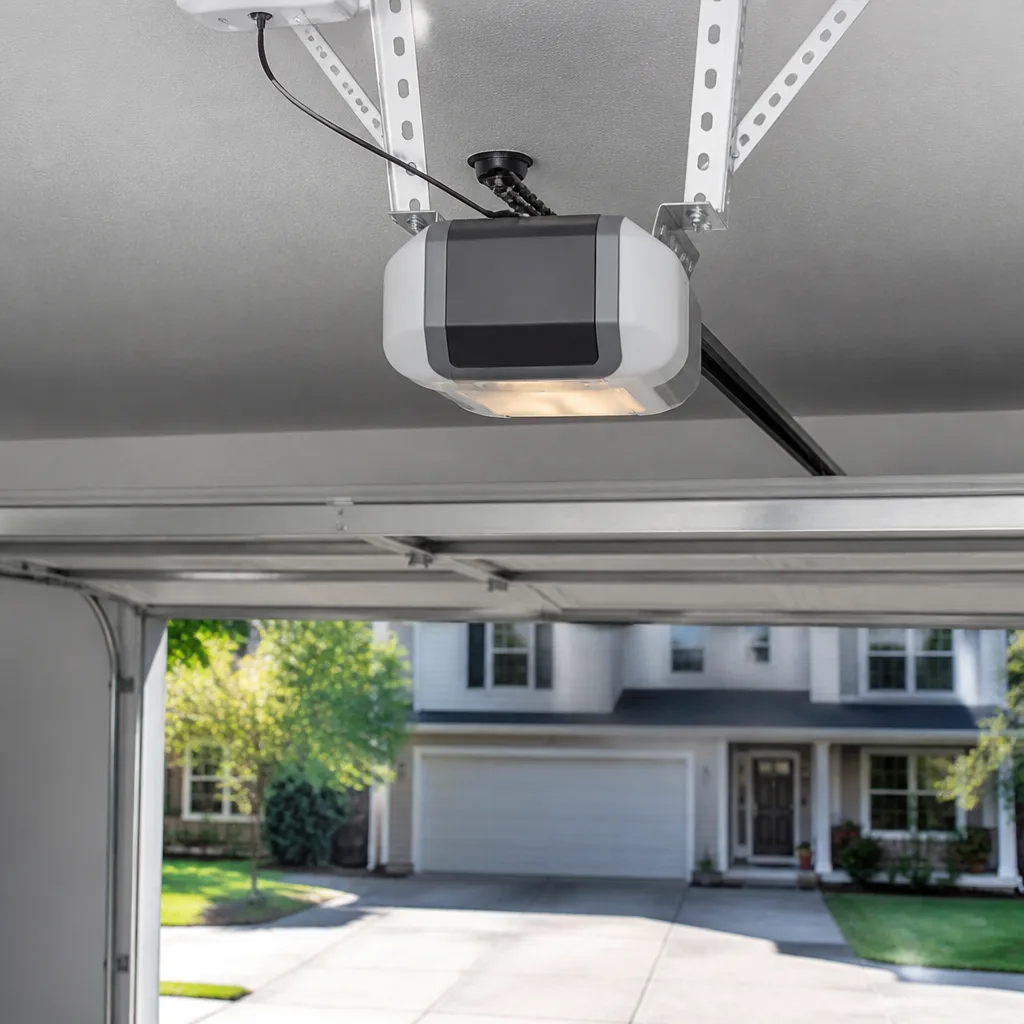 Chamberlain openers
Full 25-point door and opener safety check with every visit - springs, cables, rollers, tracks, and your LiftMaster or Chamberlain opener included
You get a price before we start. It does not change when the pro arrives.
Get your free estimateGarage Door Repair Maintenance Checklist for Tyler Homeowners
Most garage door maintenance advice you’ll find online is organized for convenience, not for reality. It leads with lubrication because that’s the easy item, then tucks the items that actually cause failures near the bottom of the list. In Tyler, that ordering is backwards. The number one task local homeowners skip isn’t greasing the tracks – it’s checking the bottom seal after a wet season. That strip of rubber is the first line of defense against the humidity East Texas throws at a garage, and when it fails, the damage doesn’t stay in the garage. This checklist is sequenced by failure likelihood in Tyler’s climate, with clear notes on what’s safe to handle yourself and what isn’t.
Quick Answer
A garage door maintenance checklist for Tyler should prioritize bottom seal integrity, roller condition, and spring surface rust first, because East Texas humidity attacks those components faster than anything else. Check the seal and rollers monthly during the wet months, lubricate moving parts every three to four months, and have springs, cables, and balance tested by a trained technician once a year. Any sign of a frayed cable, a bent track, or a door that slams shut means stop using the door and call a professional.
Styles & brands we work with
- Raised-panel steel
- Carriage house
- Modern flush
- Full-view glass
- LiftMaster openers
- Chamberlain openers
Table of Contents
- Why a Tyler Checklist Looks Different
- Item 1: The Bottom Seal (Highest Priority)
- Item 2: Rollers, Hinges, and Corrosion
- Item 3: Springs and Cables (Inspect Only, Never Adjust)
- Item 4: Opener Maintenance by Brand
- How Often to Check, Season by Season in Tyler
- DIY-Safe Tasks vs. Stop-and-Call Tasks
- Red Flags: When to Stop Using the Door
Why a Tyler Checklist Looks Different
Tyler sits in a part of East Texas where humidity hangs around through long stretches of the year and the swings between a damp spring and a hot, dry summer are hard on mechanical parts. Garage doors live in that environment. The steel components rust, the rubber seals dry and crack, and the wood or composite panels on older doors absorb moisture at the edges. None of that shows up in a generic national checklist written for a climate with a different rhythm.
Winters here are mild, which is actually a mixed blessing. You don’t get the deep cold that cracks seals in northern states, but you also don’t get a long freeze that kills insects and mold. The wet season does its damage quietly. By the time a homeowner notices water pooling at the garage threshold, the seal has usually been failing for months.
There’s a second reason the standard checklist misses the mark. Most of them treat the door and the opener as separate systems. They aren’t. A worn roller puts extra load on the opener motor. A misaligned safety sensor makes a perfectly good opener reverse for no apparent reason. When we look at a door in Tyler, we look at the whole system together, because that’s how failures actually cascade.
What follows is organized by what breaks first, not what’s easiest to write about. We work on doors from Clopay, Amarr, Wayne Dalton, and the other major manufacturers daily, and the sequence below reflects what we actually find in the field.
Item 1: The Bottom Seal (Highest Priority)
The bottom seal is the rubber or vinyl strip running along the bottom edge of your door. It’s the cheapest component on the entire system and the one that causes the most downstream damage when it fails.
Here’s the mechanism. That seal presses against the concrete slab when the door closes, creating a barrier against air, water, insects, and small animals. In Tyler’s humid months, that barrier is doing real work. When the seal hardens, cracks, or pulls loose from its track, the gap it leaves lets moisture wick under the door. Over a season, that moisture finds the slab, the framing at the base of the wall, and anything stored on the garage floor. The repair for water damage to framing or a slab edge runs into the hundreds of dollars, while a replacement seal is one of the least expensive parts on the door.
Check it this way:
- Close the door fully and look at the seal from inside the garage. You’re looking for daylight gaps, especially at the corners.
- Run your hand along the bottom edge. A healthy seal is pliable. A failing one feels hard, brittle, or crumbly.
- Look for cracks, tears, or sections that have pulled away from the aluminum retainer that holds it.
- Check the concrete where the seal meets the floor. Standing water, staining, or a visible gap under the door is a fail.
Replacing a bottom seal is a reasonable DIY task on most residential doors if you’re comfortable with basic hand tools. On a Wayne Dalton door with a proprietary seal profile, matching the replacement part matters, and that’s a case where it pays to have someone who knows the brand take a look. If the seal is fine but you’re seeing water anyway, the issue may be the threshold or the door’s alignment, and that’s worth a professional look.
Item 2: Rollers, Hinges, and Corrosion
Rollers carry the entire weight of the door as it travels the track, and they’re the second-most-common failure point in Tyler’s climate. The reason is straightforward: humidity accelerates corrosion on the steel stem inside each roller. Once that stem rusts, the roller stops turning smoothly and starts dragging, which loads the opener and wears the track.
What to look for:
- Flat spots or grinding: Roll the door up and down slowly and listen. A grinding or squealing roller is failing.
- Visible rust on the roller stem or the hinge plates: Surface rust is common in East Texas and doesn’t always mean replacement, but heavy rust on the bearing surface does.
- Loose or bent hinges: Hinges connect the door panels. A bent hinge throws the whole door out of alignment as it travels.
- Nylon vs. steel rollers: Nylon rollers don’t rust, which makes them a good fit for humid climates. Steel rollers are quieter but need more attention here.
Lubrication is the maintenance item that actually belongs here, not at the top of the list. A light spray of a silicone-based or lithium garage door lubricant on the rollers, hinges, and the torsion spring coils (not the tracks) every three to four months keeps corrosion in check. Never use grease on the tracks – it attracts grit and turns into an abrasive paste.
Replacing a roller is a moderate DIY task, but it involves loosening the hinge that holds it, and on a door under tension that’s not a job to improvise. If you’re not confident, have it done as part of a service call. Hinge replacement on a door with a bent hinge is best left to someone who can check the panel alignment at the same time.
Item 3: Springs and Cables (Inspect Only, Never Adjust)
This is the section where we need to be direct. Torsion springs and the cables that run alongside them are under extreme tension at all times. Adjusting, removing, or replacing either one without the proper tools and training can cause serious injury or worse. There is no safe DIY version of spring or cable work. Inspect them visually from a distance and call a professional for anything beyond that.
What you can safely check:
- Surface rust: East Texas humidity puts a fine rust film on torsion springs faster than in drier climates. Light surface rust is normal. Pitting, flaking, or a visible gap in the coil is not, and means the spring is close to failing.
- Cable condition: Look at the cables running down each side of the door. Fraying, kinks, or a cable that’s come off its drum are stop-using-the-door conditions.
- Balance test: Disconnect the opener (pull the release handle), lift the door halfway by hand, and let go. A properly balanced door stays put. A door that drops or rises on its own has a spring or balance problem.
If a spring breaks, the door becomes very heavy and dangerous to operate manually. Don’t try to force it. Call garage door repair and have it handled by a technician who works with torsion systems daily. For a Tyler homeowner, that call is usually the difference between a same-day fix and a door that’s stuck until someone can get to it. Our technicians have up to 8 years of experience with spring systems across every major brand.
Item 4: Opener Maintenance by Brand
Your opener is a motor with a logic board, a gear assembly, and a set of safety sensors. It needs less attention than the door itself, but the specific points to check vary by brand. We work on LiftMaster, Chamberlain, Genie, Craftsman, and the rest of the major lines, and the differences matter.
LiftMaster and Chamberlain (same parent company, similar internals): Check the safety sensor alignment first when the door reverses for no reason. Clean the lens on both sensors. The gear and sprocket assembly inside the motor housing is the most common wear point on older units, and a grinding noise during operation is the early warning. The manual force adjustment should be tested once a year.
Genie: Belt and chain tension is the maintenance item most often neglected. A loose belt makes a slapping sound and puts strain on the motor. Genie units with screw drive need the screw lubricated per the manual, which many homeowners never do.
Craftsman: Older Craftsman openers often have a travel limit that drifts over time, causing the door to stop short or reverse before it fully closes. That’s an adjustment, not a replacement.
On every brand, the safety sensors at the bottom of the tracks need a monthly check: wipe the lenses and confirm the door reverses when something passes in front of them. That’s a genuine safety function, not a convenience. If your opener is beeping, flashing, or refusing to close, the problem may be the opener, the sensors, or the door’s balance. A trained technician can tell the difference in a few minutes. For dedicated garage door opener repair in Tyler, that diagnostic is the whole point of the visit.
How Often to Check, Season by Season in Tyler
Generic advice says “twice a year.” That’s a reasonable baseline for a dry climate. Tyler’s humidity pattern calls for a different rhythm, because the wet months do the damage and the dry months are when you catch up.
Here’s a schedule tied to the actual seasons here:
- Early spring (before the wet stretch): Full inspection. Check the bottom seal, rollers, hinges, and spring surfaces. Lubricate everything that moves. This is the most important check of the year, because it happens before the humidity peaks.
- Mid-summer: Seal and sensor check. The heat and dry air are hard on rubber, so look for new cracking. Test the safety sensors and the auto-reverse function.
- Early fall: Lubrication and roller inspection. This is the second full lubrication of the year. Check for rust that built up over the summer.
- Late fall / early winter: Balance test and a full visual on springs and cables before the cooler, wetter months. Confirm the door closes fully and seals against the slab.
Between those seasonal checks, a monthly two-minute walkaround is worth the habit: look at the seal, listen to the door as it opens, and test the safety reverse. That’s it. The goal isn’t to turn maintenance into a project, it’s to catch a failing seal or a rusty roller before it becomes a repair bill.
One local note: Tyler’s storm season brings wind-driven rain, and after any significant storm, it’s worth checking the seal and the door’s alignment. A door that’s been pushed slightly out of square by wind load will show up as a gap at one corner.
DIY-Safe Tasks vs. Stop-and-Call Tasks
This is where most checklists fail homeowners. They present every task as equally approachable, which is both inaccurate and, in the case of springs and cables, genuinely dangerous. Here’s the honest split.
Genuinely DIY-safe:
- Visual inspection of the seal, rollers, hinges, and spring surfaces from the ground
- Lubricating rollers, hinges, and spring coils with a proper garage door lubricant
- Wiping down and realigning safety sensor lenses
- Testing the auto-reverse function with a piece of wood or a roll of paper towels
- Replacing a bottom seal on a standard door with a common retainer profile
- Cleaning the tracks with a damp cloth (never lubricating them)
Looks simple, isn’t:
- Torsion spring adjustment or replacement: The spring stores enough energy to seriously injure a person who releases it wrong. This is the single most dangerous component on the door.
- Cable replacement or re-spooling: Cables are under tension and can whip when released. Never attempt this.
- Track realignment on a door under tension: A bent track can be adjusted, but not safely while the door is tensioned.
- Replacing hinges on a door that’s under load: The hinge holds the panel; releasing it at the wrong point lets the panel shift.
- Opener gear replacement: Requires disassembly of a unit with stored energy in the spring or chain.
We’d rather a Tyler homeowner call for a free estimate on a spring than try it and get hurt. Nobody should be injured in their own garage. If you’re unsure which list a task falls into, treat it as the second list and call Tyler Garage Door Service. That’s the honest answer, and it’s what we tell customers in person.
Red Flags: When to Stop Using the Door
Some checklist items are “schedule this soon.” Others are “stop now.” The difference matters, and it’s the part of this guide we most want you to remember.
Stop using the door immediately and call for same-day repair if you see:
- A broken torsion spring (a loud bang from the garage followed by a door that won’t lift is the classic sign)
- A frayed or snapped cable, or a cable that’s come off its drum
- A bent or detached track section
- A door panel that’s separating from the frame or sagging at one corner
- The door dropping fast when released from the halfway position
- An opener that runs but the door doesn’t move, or a door that closes on its own
Each of these is a failure that can lead to injury or property damage if you keep operating the door. Don’t prop it open, don’t force it, and don’t ask a neighbor to take a look. Call a professional.
The good news is that most of these failures have warning signs weeks or months earlier – rust on the spring, fraying on the cable, a grinding roller. That’s the whole purpose of a maintenance checklist: to catch the warning signs while they’re still cheap to address.
Common Mistakes to Avoid
- Lubricating the tracks. Tracks should stay clean and dry. Lubricant on the tracks attracts grit from Tyler’s dusty summers and turns into an abrasive paste that wears the rollers faster.
- Ignoring the bottom seal until water appears. By then the moisture has usually reached the slab or the framing. Check the seal every month during the wet season, not once a year.
- Using WD-40 as a garage door lubricant. It’s a solvent, not a lubricant, and it strips whatever protection the parts had. Use a proper silicone or lithium garage door lubricant labeled for the purpose.
- Trying to adjust a torsion spring. This is the mistake that sends people to the emergency room. Springs and cables are strictly professional work, no exceptions.
- Assuming a reversing door means a bad opener. In Tyler’s humidity, a dirty or misaligned safety sensor causes most false reversals. Clean the lenses before assuming the opener is failing.
- Replacing the opener when the door is the problem. If the door is out of balance or the rollers are dragging, a new opener will wear out fast. Fix the door first.
- Skipping the seasonal check before the wet months. The early spring inspection is the highest-value maintenance of the year in this climate. Skipping it means the seal fails during the season that does the most damage.
See the difference
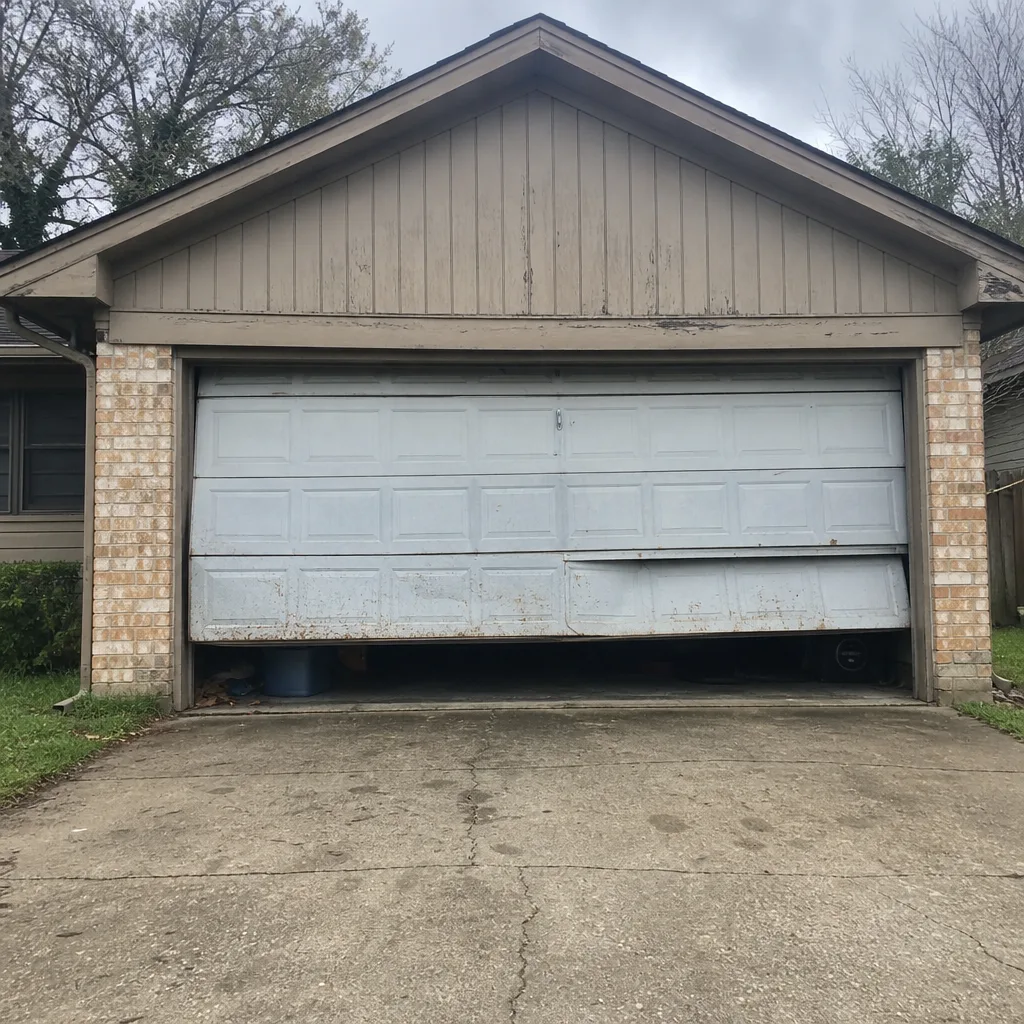 Before
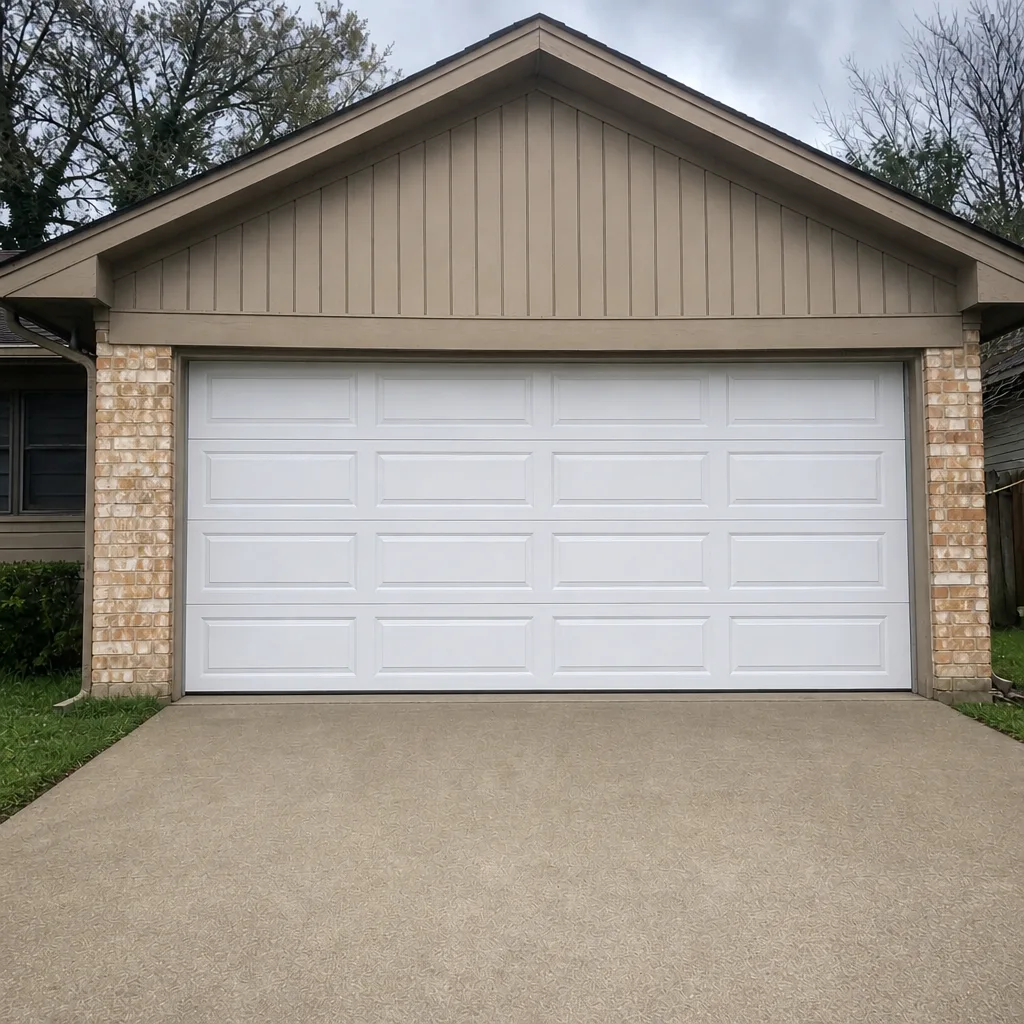 After
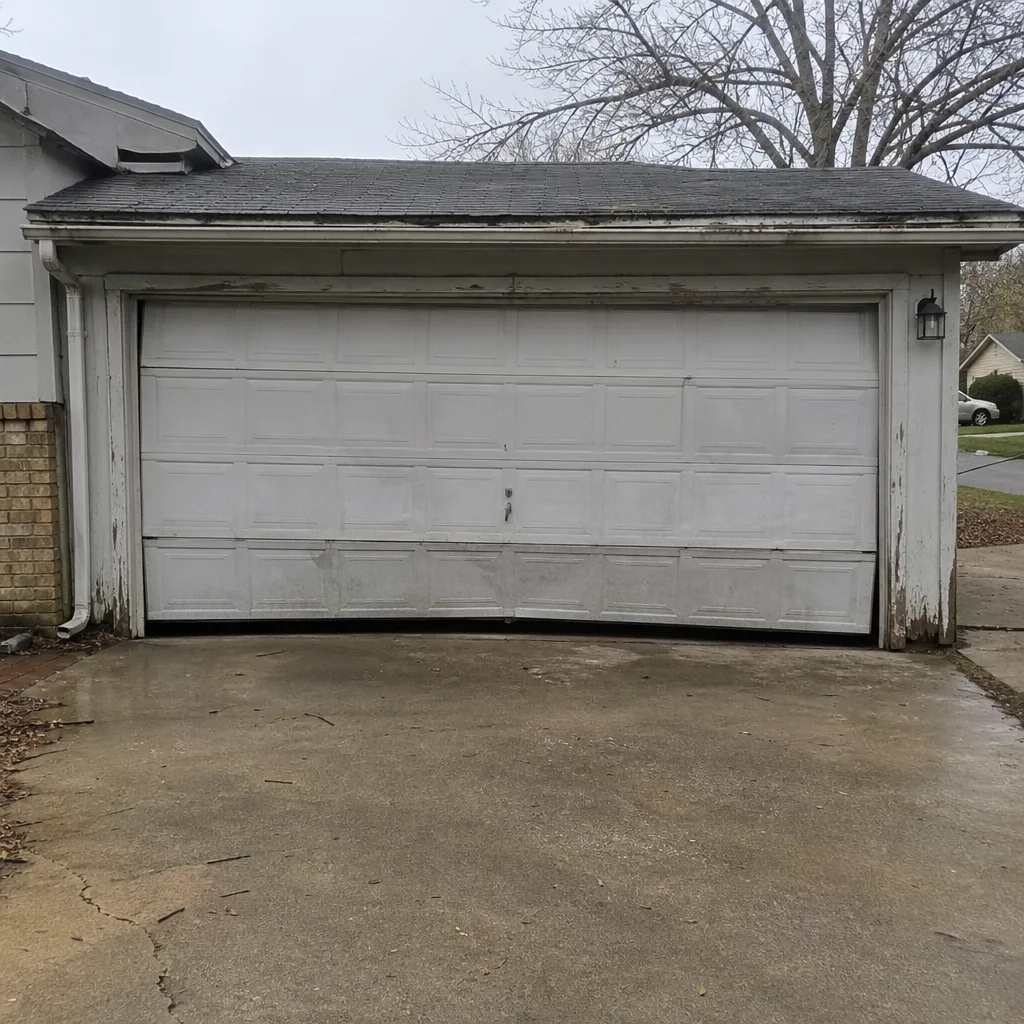 Before
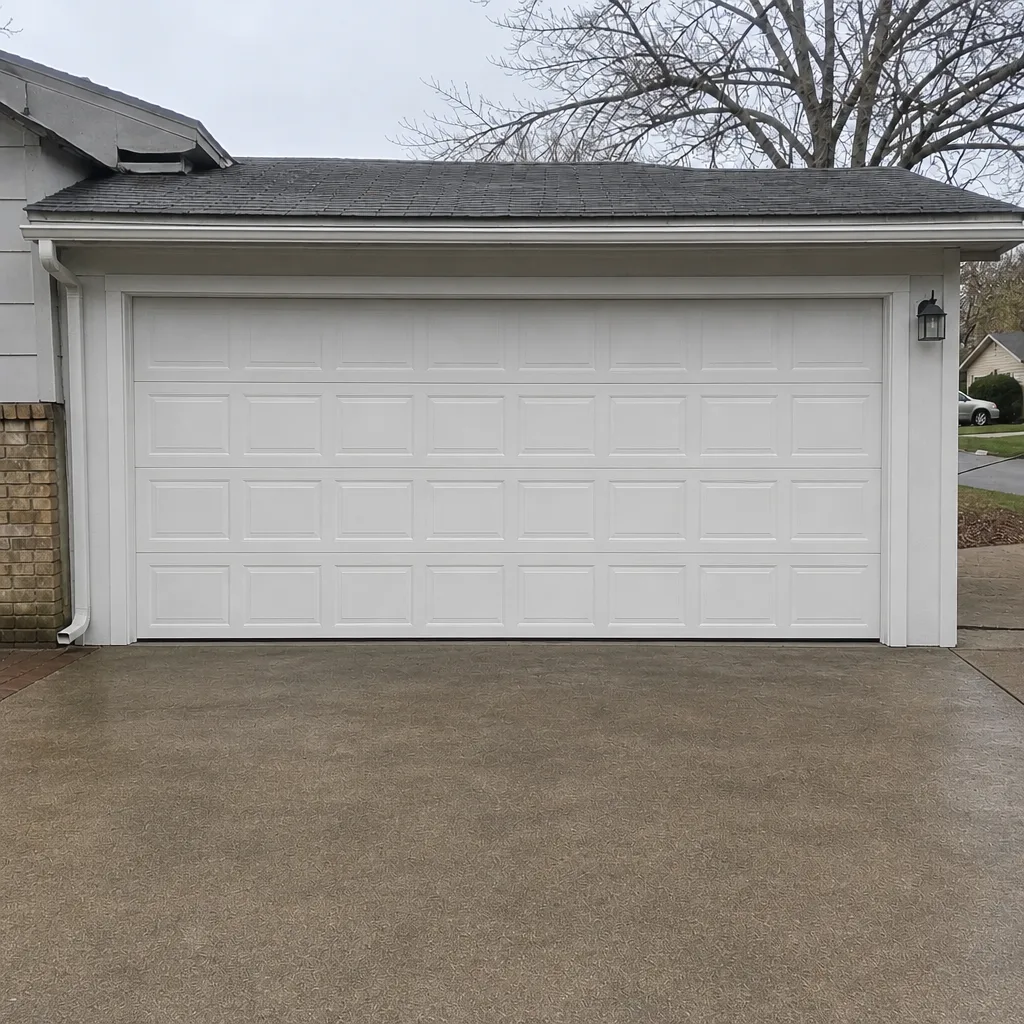 After
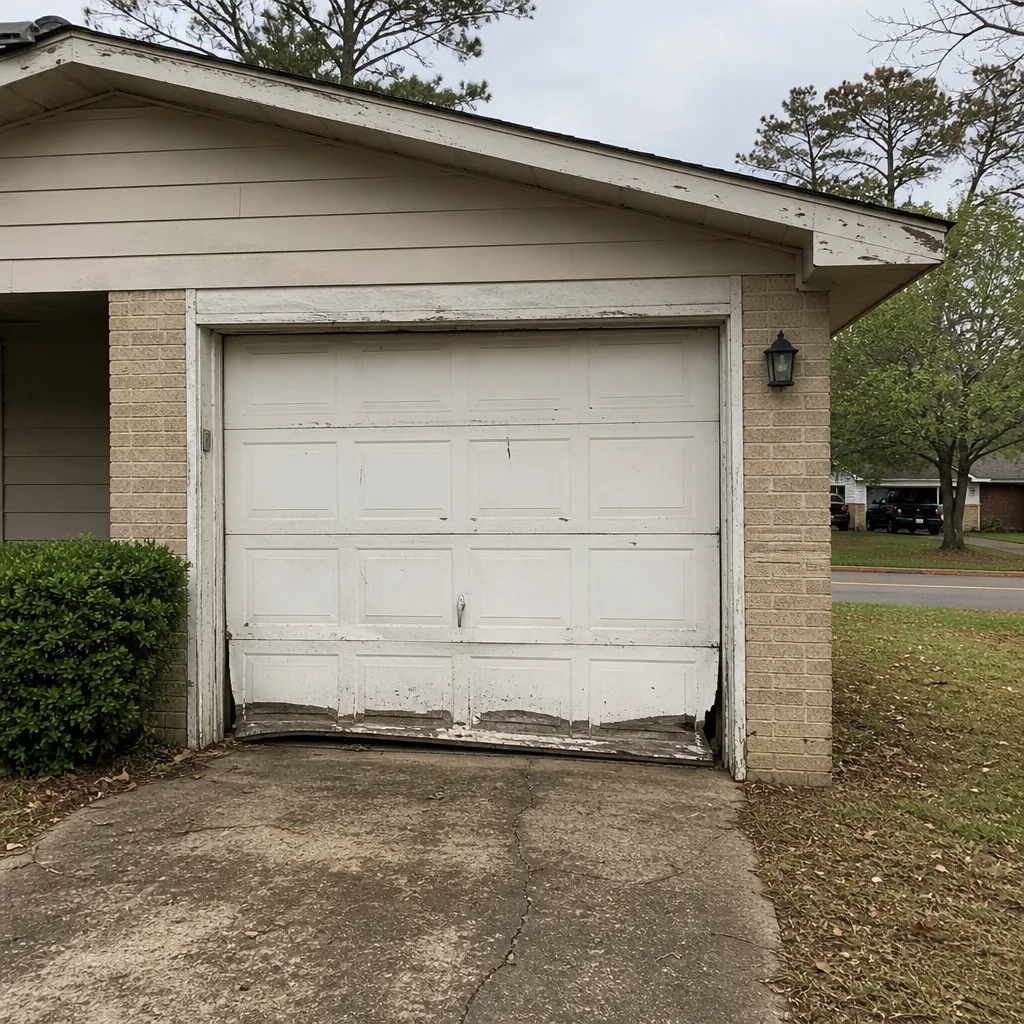 Before
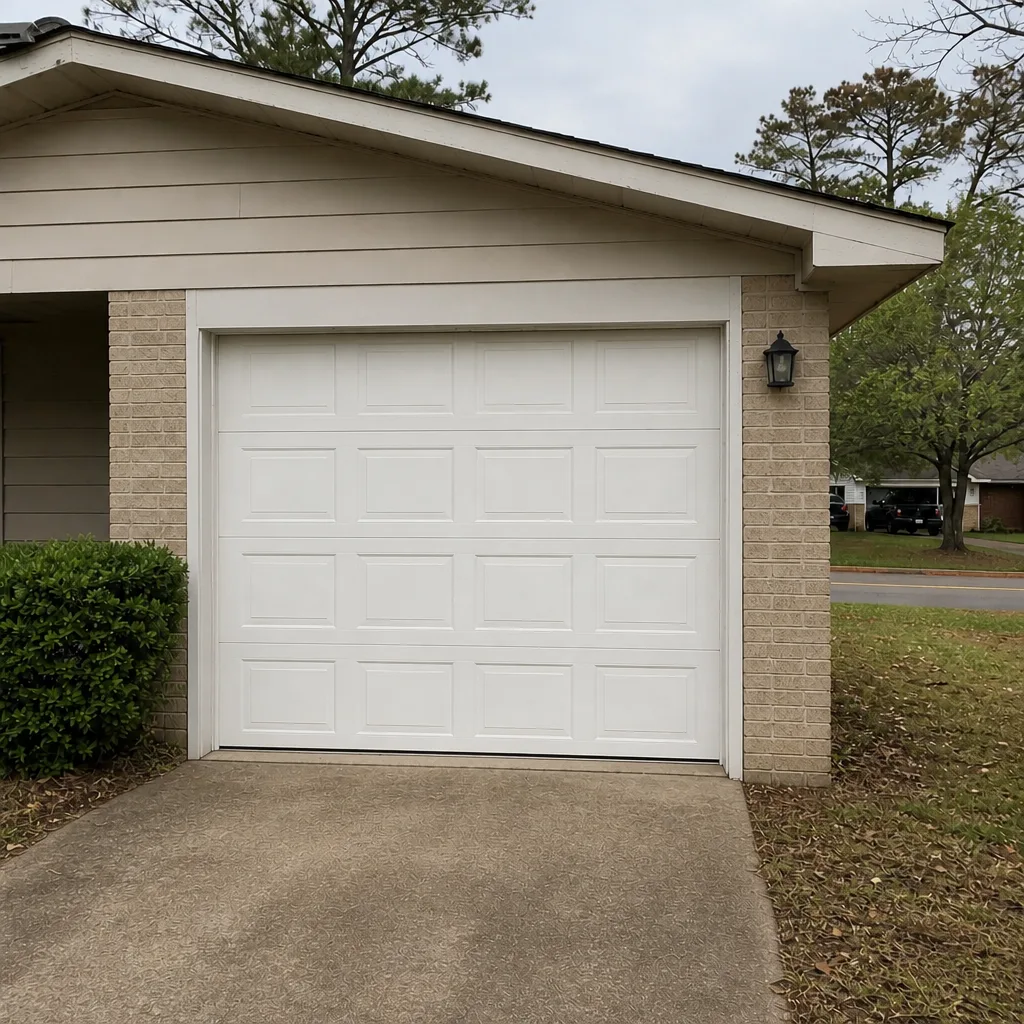 After
When to Call a Professional
Call a professional when you see anything on the red-flag list, when the door is out of balance, when a spring or cable looks worn, or when an opener reverses or refuses to close after you’ve cleaned the sensors. Call if you’ve replaced the bottom seal and water is still getting in, or if the door has been running rough since a storm. And call if you’re simply not sure which list a symptom belongs on – a quick diagnostic is worth more than a guess. Tyler Garage Door Service offers free estimates in Tyler – call (844) 834-2184. We answer 24/7. Fast dispatch from 7am to 7pm, Sunday through Friday. Our technicians have up to 8 years of experience working on the door and the opener as one integrated system.
Frequently Asked Questions
A garage door in Tyler should get a full professional service once a year and a homeowner walkaround monthly during the wet months. The annual service covers spring, cable, and balance checks that aren’t safe for a homeowner to perform. The monthly walkaround catches seal and roller problems early.
The bottom seal is the first thing to check after a wet season. Look for cracks, hardening, pulled-away sections, and daylight gaps at the corners. That seal is the barrier keeping East Texas humidity from wicking under the door into the slab and framing. Call (844) 834-2184 if you want a professional to check it during a free estimate.
Yes, on most residential doors with a standard retainer profile, replacing the bottom seal is a reasonable DIY task. It becomes a professional job when the door uses a proprietary seal profile – some Wayne Dalton and Amarr models do – or when the seal retainer itself is damaged. If you’re not sure which you have, call us and we’ll tell you.
The most common cause is a misaligned or dirty safety sensor, not a failing opener. Clean both lenses at the bottom of the tracks and confirm they’re facing each other. If the door still reverses after that, the problem may be a travel limit setting or a cable issue, which needs a trained look. Call (844) 834-2184 for a free estimate on the repair.
Yes, light lubrication of torsion spring coils from the ground is safe as long as you don’t touch, adjust, or attempt to remove the spring. Never put tools on a tensioned spring. If you see rust pitting or flaking on a spring, stop and call a professional – that spring is approaching failure.
Yes, and the differences matter. Wayne Dalton doors often use proprietary seal and roller profiles, Clopay and Amarr panels have specific hinge and alignment points, and opener maintenance varies between LiftMaster, Chamberlain, Genie, and Craftsman units. Knowing the brand before the visit is why we arrive prepared. Call (844) 834-2184 for a free estimate.
The Bottom Line
Maintenance in Tyler comes down to understanding the local order of failure. The bottom seal, the rollers, and the spring surfaces fail first because the humidity gets to them first. Springs and cables are inspect-only from the homeowner’s perspective, no exceptions. The rest of the checklist is a routine you can build into a monthly walkaround and a seasonal inspection. Get the order right, respect the dangerous components, and most failures will announce themselves before they happen. When one doesn’t, that’s what a trained technician is for. Call (844) 834-2184 for a free estimate, and we’ll work on your brand – because garage doors are all we do.
Written by the team at Tyler Garage Door Service.